
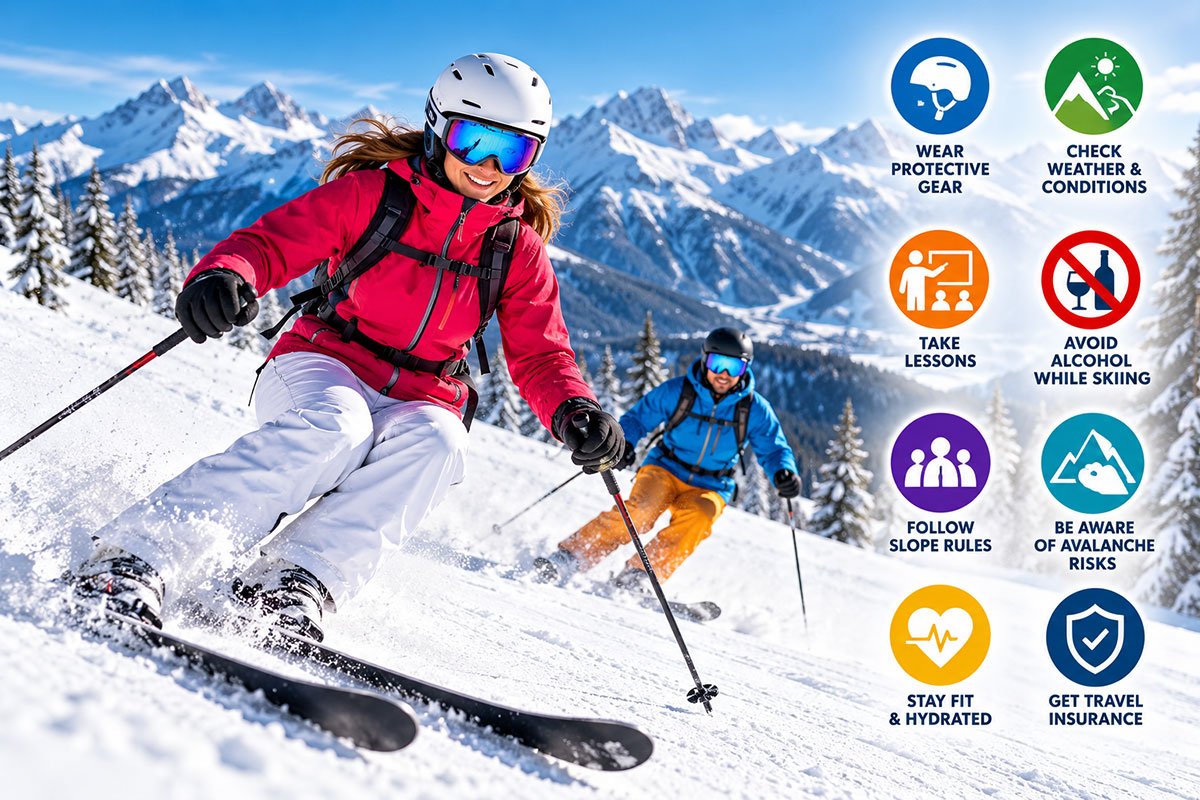
How Can You Ensure Your Safety While Skiing?
Skiing can be an exciting way to enjoy winter landscapes while getting plenty of physical activity. However, skiing also involves speed, changing terrain, cold weather and other people sharing the slopes. Good preparation and responsible decisions can significantly reduce avoidable risks.
Whether you are a first-time skier or an experienced winter sports enthusiast, ski safety should be part of every trip. Choosing suitable terrain, wearing appropriate equipment and knowing when to stop are essential habits for a safer skiing experience.
Get the Right Ski Safety Equipment
Proper equipment is one of the foundations of ski safety. A well-fitting helmet should be a priority, along with suitable goggles, gloves, weather-appropriate clothing and properly fitted ski boots.
The International Ski and Snowboard Federation (FIS) continues to emphasize appropriate personal protective equipment as part of its safety approach. Its current safety guidance highlights equipment such as helmets and other protective gear depending on the discipline and level of skiing.
Your clothing should also protect you from cold, wind and snow while allowing enough freedom of movement. Dress in layers so you can adapt to changing conditions.
Before skiing, check that your skis, bindings and boots are in good working condition. If you are renting equipment, ask the rental shop to ensure that everything is correctly fitted and adjusted.
Take a Lesson Before Skiing Challenging Terrain
Beginners should consider taking lessons from a qualified instructor rather than trying to learn entirely on their own. Professional instruction can help you develop braking, turning, stopping and lift-loading skills before you progress to more difficult terrain.
Start on slopes that match your ability. Do not move to a steeper or more challenging trail simply because other skiers are doing so.
Skiing should be enjoyable, but knowing your limits is an important part of staying safe.
Warm Up and Know Your Limits
Skiing places considerable demands on your legs, core and cardiovascular system. A short warm-up before your first run can help prepare you physically and mentally for the day.
The National Ski Areas Association recommends a warm-up run and advises skiers to stop when they become fatigued.
Fatigue can affect concentration, balance and reaction time. If your technique begins to deteriorate or you feel exhausted, take a break rather than continuing down another run.
Staying hydrated is also important. Drink water regularly, particularly during long days on the mountain. Cold weather can make it easy to overlook dehydration.
Follow Ski Slope Responsibility Rules
Ski safety is not only about protecting yourself. Your decisions can also affect everyone around you.
The National Ski Areas Association’s current Your Responsibility Code advises skiers to remain in control, yield to people ahead or downhill, stop only in safe visible locations and look uphill before starting or entering a trail. It also requires skiers to obey signs and warnings and stay away from closed areas.
Remember these basic rules:
- Stay in control at all times.
- Give people ahead of you the right of way.
- Look uphill before starting or merging.
- Stop only where you are visible to other skiers.
- Keep your equipment from becoming a runaway hazard.
- Follow trail signs and warning markers.
- Stay away from closed trails and restricted areas.
- Learn how to safely use ski lifts.
- Give other skiers adequate space.
If you are involved in a collision, exchange information and report the incident to ski-area staff when required.
Never Ski While Impaired
Alcohol and skiing are a dangerous combination. Alcohol can affect judgment, balance, coordination and reaction time.
The NSAA specifically advises skiers and snowboarders not to use lifts or terrain while impaired by alcohol or drugs.
If you want to enjoy an alcoholic drink during your holiday, wait until you have finished skiing for the day and are safely off the mountain.
Check Weather and Mountain Conditions
Mountain weather can change quickly. Before heading out, check the resort’s weather forecast, trail status and any safety notices.
Pay attention to visibility, wind, snowfall, temperature and changing terrain conditions. If conditions deteriorate significantly, consider stopping early or choosing easier terrain.
For trips involving remote mountain areas, emergency response can also be more difficult because mobile connectivity may be limited. The U.S. State Department’s mountain-safety guidance recommends checking local conditions, planning for limited connectivity and having a way to contact emergency services.
Understand Avalanche Safety
Avalanche awareness becomes particularly important when skiing outside controlled resort terrain or travelling in the backcountry.
Avalanche.org recommends three fundamental steps for people travelling in avalanche terrain: get the forecast, get the gear and get the training.
Backcountry skiers should understand the local avalanche forecast and recognize potentially dangerous terrain. Appropriate rescue equipment includes an avalanche transceiver, probe and shovel, and users should know how to operate the equipment before an emergency occurs.
Do not enter avalanche terrain simply because you have the equipment. Training and sound decision-making are essential.
Plan for Emergencies
Before skiing, know how to contact the resort’s emergency or ski patrol service. If you are heading into remote terrain, tell someone where you are going and when you expect to return.
Carry appropriate clothing and essential equipment for the conditions. A charged phone can be useful, but do not assume that mobile coverage will always be available in mountainous areas.
Travel insurance is also worth considering for an international ski holiday. Check whether the policy covers skiing and any activities you plan to undertake, as well as emergency medical treatment and evacuation. Travel authorities specifically recommend checking insurance coverage for adventure activities and medical evacuation.
Ski Responsibly for a Better Experience
Skiing does not have to be dangerous to be exciting. The key is to recognize the risks and make sensible decisions before and during every run.
Wear appropriate protective equipment, choose terrain that matches your ability, stay hydrated and take breaks when necessary. Follow mountain signs, respect other skiers and avoid skiing while impaired.
For backcountry trips, add avalanche education, forecasts and rescue equipment to your preparation. Current international ski-safety guidance continues to emphasize preparation, appropriate protective equipment, education and clearly communicated emergency procedures.
With the right preparation and a responsible approach, you can enjoy the scenery, exercise and adventure of a ski holiday while reducing unnecessary risks.
