
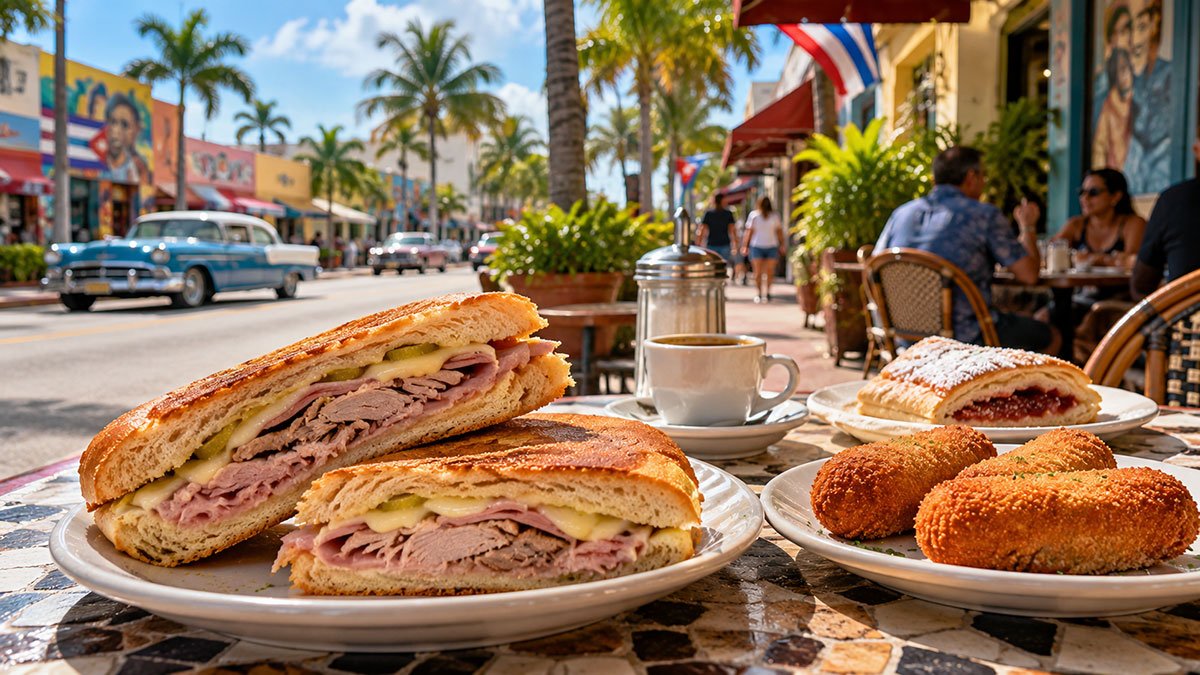
Discover Miami’s Cuban food culture with freshly pressed sandwiches, traditional café con leche, croquetas and sweet guava pastries along Calle Ocho.
A Food Lover’s Guide to Miami: Local Dishes, Restaurants and Dining Tips
Miami is a destination where food tells the story of its people. Cuban cafés, Caribbean kitchens, seafood restaurants and contemporary dining rooms reflect the cultures that have shaped this South Florida city. Whether you are searching for an authentic Cuban sandwich, fresh Florida seafood or a memorable fine-dining experience, a good Miami food guide can help you discover more than the restaurants around your hotel.
The city’s culinary attractions are spread across distinctive neighbourhoods. Little Havana is a natural starting point for Cuban specialities, Little Haiti offers Haitian and Caribbean flavours, Wynwood draws diners with creative restaurants, and Miami Beach combines casual cafés with established seafood destinations and upscale dining.
This guide explores the dishes worth trying, restaurants to consider and practical ways to plan a food-focused visit to Miami, Florida.
What Makes Miami’s Food Scene Special?
Miami’s food culture reflects its connections with Cuba, the wider Caribbean, Latin America and many other parts of the world. Traditional family-run restaurants exist alongside modern kitchens that reinterpret familiar dishes with new ingredients and techniques.
You can begin a morning with Cuban coffee and a pastry, enjoy a casual lunch at a sandwich counter, and spend the evening at a restaurant serving Peruvian seafood, Mediterranean dishes or contemporary Asian cuisine.
The experience also varies by neighbourhood. In Little Havana, food is closely connected with everyday Cuban-American life. Wynwood offers a different atmosphere, with street art, contemporary restaurants and food halls. Miami Beach has long-standing seafood establishments, international menus and dining rooms overlooking the water.
For visitors, the best approach is to explore a few neighbourhoods rather than choose every meal from a list of restaurants spread across the metropolitan area.
Miami Foods You Should Try
Before deciding where to eat, familiarise yourself with the dishes that help define Miami’s culinary identity.
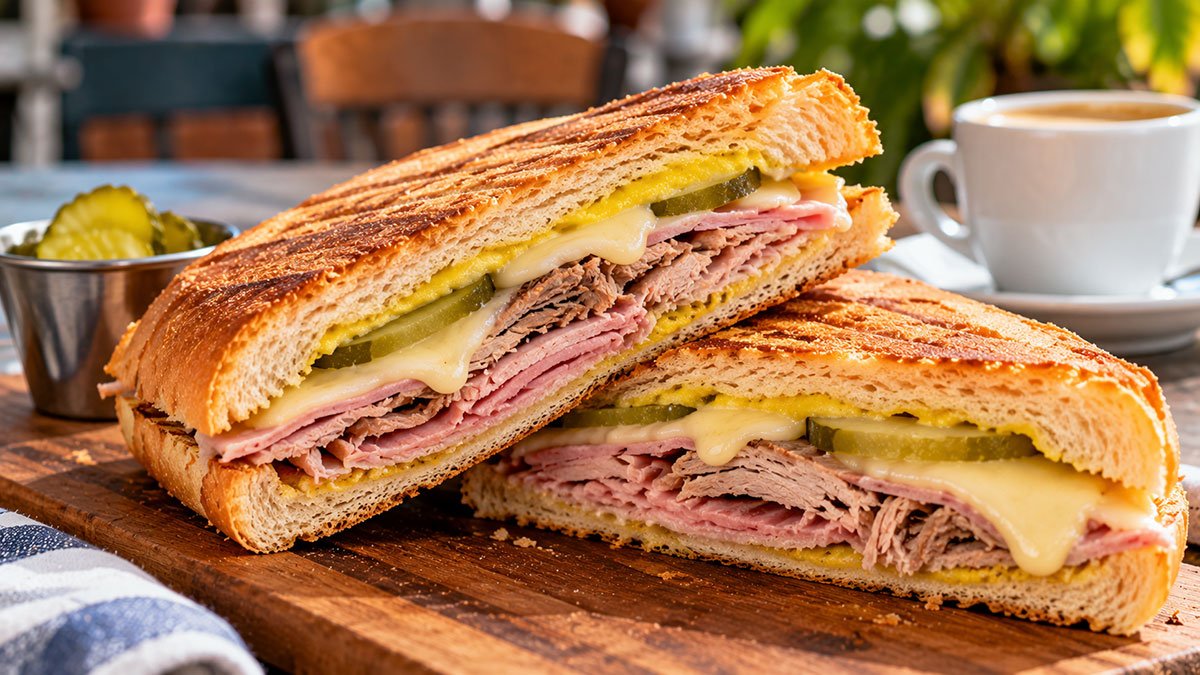
Miami’s classic Cuban sandwich combines roasted pork, ham, Swiss cheese, pickles and mustard in crisp, pressed bread.
1. The Cuban Sandwich
The Cuban sandwich, or Cubano, is one of Miami’s best-known foods. Traditional versions combine ham, roasted pork, Swiss cheese, pickles and mustard in Cuban bread, which is pressed until the outside becomes crisp and the filling warms through.
Recipes vary between establishments, so trying the sandwich at two different places can be an enjoyable way to compare styles.
Look for it at neighbourhood sandwich counters and Cuban cafés, where it is often served as a straightforward lunch rather than a formal dining experience.
2. Croquetas and Empanadas
Croquetas are small, breadcrumb-coated snacks with a soft filling, often made with ham or chicken. They are common in Cuban cafés and make an easy introduction to local flavours.
Empanadas are filled pastries found in many Latin American food traditions. Depending on the restaurant, they may contain beef, chicken, cheese or vegetables.
Both are useful choices when you want to sample several dishes without committing to a large meal.
3. Cuban Coffee and Pastelitos
A Cuban coffee stop is an essential part of exploring Little Havana.
Order a cafecito, a small, strong Cuban espresso that is commonly sweetened. A cortadito combines espresso with a little steamed milk, while café con leche pairs Cuban coffee with hot milk.
For something to eat, look for pastelitos, flaky pastries commonly filled with guava, guava and cheese, or other sweet and savoury ingredients.
Many cafés sell these items through a ventanita, a walk-up window where customers order coffee and snacks. These windows offer a glimpse into everyday neighbourhood life and are particularly convenient between sightseeing stops.
4. Ropa Vieja and Other Cuban Classics
If you have time for a sit-down meal, explore traditional Cuban main courses.
Ropa vieja consists of shredded beef cooked in a savoury sauce, commonly served with rice, black beans and plantains. Other dishes to look for include lechón asado, or roast pork, vaca frita, a crisp-edged preparation of shredded beef, and picadillo, seasoned ground beef cooked with ingredients that vary by recipe.
Menus differ between restaurants, so ask about house specialities rather than assuming every establishment prepares each dish in the same way.
5. Haitian and Caribbean Specialities
Miami’s food scene extends well beyond Cuban cuisine.
In Little Haiti and nearby neighbourhoods, look for Haitian dishes such as griot, seasoned fried pork, often served with pikliz, a spicy pickled vegetable condiment. Other dishes may include stewed meats, fried fish and rice prepared with distinctive Caribbean seasonings.
Jamaican, Bahamian and other Caribbean food traditions are also represented around the city. Depending on the restaurant, you may find jerk chicken, patties, seafood, plantains and hearty rice dishes.
Trying these cuisines offers a broader understanding of the cultures represented in Miami.
6. Ceviche and Fresh Seafood
Miami’s coastal location makes seafood an important part of the local dining scene. Restaurant menus may feature snapper, mahi-mahi, oysters, shrimp and other seafood, depending on availability and the kitchen’s style.
Peruvian ceviche is another dish worth seeking out. It typically combines raw fish cured in an acidic marinade, often with citrus, chilli, onions and herbs. Traditional recipes vary, and restaurants may offer contemporary interpretations.
Ask how a seafood dish is prepared if you have dietary requirements or questions about ingredients.
7. Florida Stone Crab and Key Lime Pie
Two foods associated with Florida are particularly worth considering during a Miami visit.
Florida stone crab claws are a seasonal speciality. The state’s stone crab harvest season generally runs from October 15 through May 1, subject to applicable regulations. Restaurants may have different menus and sourcing arrangements outside the harvest season, so check before travelling specifically for fresh claws.
Key lime pie is another Florida classic. Its characteristic combination of tangy citrus filling and a crumbly crust provides a refreshing finish after a seafood meal.
You do not need to eat at a formal restaurant to explore Miami’s food culture, but these dishes make good additions to a wider culinary itinerary.
Where to Eat in Miami: Neighbourhoods and Restaurants
The following areas provide a useful starting point for exploring different cuisines. Restaurant availability, menus and booking arrangements can change, so check official listings before visiting.
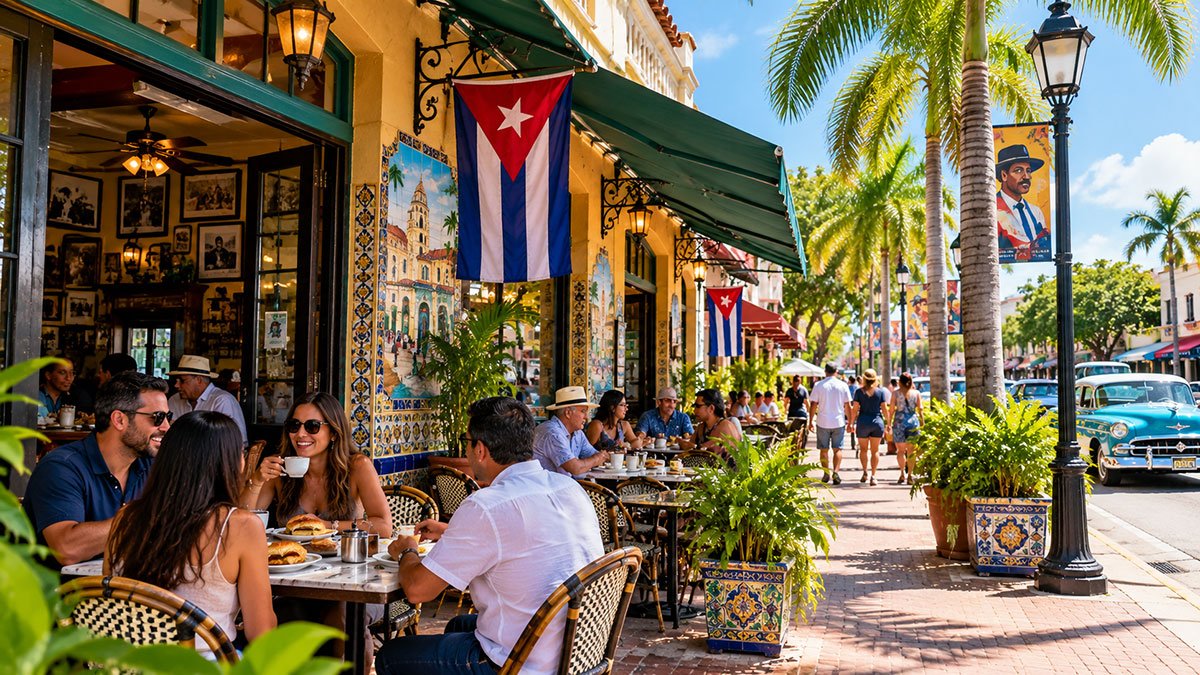
Experience Little Havana’s Cuban café culture, where traditional coffee, local food and lively streets create a distinctive Miami atmosphere.
Little Havana: Cuban Food and Café Culture
Little Havana is one of the most rewarding neighbourhoods for visitors interested in Cuban-American food. Centre your visit around Calle Ocho, also known as Southwest Eighth Street, and allow time to explore cafés, bakeries and restaurants.
Versailles Restaurant is a long-established Cuban dining destination known for traditional dishes, Cuban sandwiches and coffee. Its adjoining bakery and coffee counter make it suitable for a casual stop as well as a full meal.
Sanguich de Miami specialises in pressed Cuban sandwiches. It is an option for travellers who want to focus on a Cubano, croquetas and other sandwich-shop favourites.
Café La Trova offers a livelier dining experience, combining Cuban-inspired cuisine with music and a cocktail programme. It is worth considering for an evening when you want food to be part of a wider cultural experience.
These restaurants serve different purposes, so choose according to whether you want a quick lunch, traditional Cuban cooking or a more leisurely evening meal.
Beyond the restaurants, explore the surrounding streets and local businesses. A coffee from a ventanita, a visit to a bakery and a shared snack can make a rewarding food walk.
Little Haiti: Caribbean Flavours
For a different perspective on Miami’s dining scene, spend some time in Little Haiti.
Chef Creole Seasoned Kitchen is a destination to consider for Haitian, Creole and Bahamian-influenced food, including seafood and traditional Caribbean dishes.
Menus can include richly seasoned fish, fried seafood, griot and other hearty specialities. This style of cooking provides a contrast to the Cuban dishes associated with Little Havana.
Little Haiti also has cultural attractions, local businesses and a creative community. Combining lunch with a little neighbourhood exploration creates a more rounded visit than travelling solely for a restaurant booking.
Wynwood: Contemporary Dining and Street Art
Wynwood is known for its murals, galleries and changing creative scene. Its dining options range from casual food counters to restaurants suited to a planned evening out.
KYU is known for wood-fired, wood-grilled Asian cooking and a menu designed for sharing. It is an option for diners interested in contemporary flavours rather than traditional Cuban or Caribbean food.
The wider neighbourhood also has food halls, cafés, casual eateries and international restaurants. This variety makes Wynwood useful for groups in which everyone wants something different.
Plan a meal around a walk through the area’s public art and galleries. Check current opening arrangements for individual attractions and reserve a table if you intend to visit a popular restaurant at a busy time.
Miami Design District: Mediterranean and Fine Dining
The Miami Design District combines fashion, design, public art and restaurants. It is a suitable neighbourhood for visitors who want to pair shopping or gallery visits with a more leisurely meal.
Mandolin Aegean Bistro is known for Greek and Turkish influences, with a menu that includes Mediterranean specialities and a courtyard dining atmosphere.
The district also offers contemporary Japanese, Italian, Korean and other international cuisines. If you are looking for a destination for a special occasion, compare menus and reservation availability before choosing a restaurant.
Prices and dress expectations vary significantly across the area, so review the menu and practical details rather than assuming every venue offers the same type of experience.
South Beach: Seafood and Oceanfront Dining
South Beach combines the atmosphere of Miami Beach with a wide variety of restaurants, from relaxed cafés to formal dining rooms.
Joe’s Stone Crab is a longstanding Miami Beach destination associated with Florida stone crab claws. The seasonal availability of freshly harvested claws makes it especially relevant to autumn and winter dining plans, although the restaurant has other menu choices.
Elsewhere in South Beach, visitors can find seafood, Latin American cuisine, international restaurants and dining options along the area’s well-known streets.
The neighbourhood can be busy during popular travel periods and major events. Make reservations where available, and check the menu and total prices before committing to a special-occasion meal.
Coconut Grove: Casual Cuban-American Cooking
Coconut Grove offers a different atmosphere from South Beach and Wynwood, with a village-like centre and restaurants suited to a relaxed outing.
Chug’s Diner is a useful choice for Cuban-American cooking in a casual diner setting. It combines familiar diner-style meals with Cuban influences, making it an option for breakfast, lunch or a less formal dinner, subject to its current service hours.
The surrounding area also provides opportunities to explore cafés, shops and the waterfront. Consider Coconut Grove when you want to combine a meal with a more leisurely neighbourhood visit.
Brickell and Downtown Miami: International Dining
Brickell and Downtown Miami offer a range of restaurants serving international cuisines, from Peruvian seafood to contemporary American and Asian dishes.
These areas can be convenient when staying in the business district or near central attractions. Depending on the venue, the dining experience may be casual, business-oriented or focused on a special occasion.
For a food-focused evening, compare restaurants by cuisine, location, menu and price before booking. If you plan to visit more than one venue, allow enough time between reservations and account for local traffic.
How to Plan a Miami Food Tour
A food-focused itinerary works best when you group restaurants by neighbourhood and leave time to enjoy the places between meals.
One Day: A Taste of Little Havana
Begin with Cuban coffee and a pastelito from a local café. Explore Calle Ocho and stop for a Cuban sandwich or croquetas at lunchtime.
Choose a traditional Cuban restaurant for a more substantial meal, or book an evening at a venue such as Café La Trova. Avoid trying to fit every recommended restaurant into the same day; a few well-chosen stops give you time to enjoy each experience.
Two Days: Cuban Food, Caribbean Cooking and Wynwood
Spend the first day in Little Havana, with time for a café stop, a walk and a full meal.
On the second day, explore Little Haiti for Caribbean flavours, then make time for Wynwood’s street art and contemporary dining. The areas are separate destinations, so check driving times and transport options before fixing your schedule.
If your priority is an upscale meal, replace one casual stop with a reservation in the Design District or Brickell.
Three Days: A Broader Food Experience
With three days, you can explore different parts of Miami without rushing.
- Day 1: Little Havana and traditional Cuban cuisine.
- Day 2: Little Haiti and Wynwood, combining Caribbean flavours with contemporary dining.
- Day 3: Miami Beach for seafood, followed by a more leisurely meal in South Beach or another area that interests you.
This is a flexible framework. Adjust it to suit your accommodation, restaurant reservations, dietary preferences and travel pace.
Practical Dining Tips for Miami
Make Reservations When Needed
Popular restaurants, especially those serving special-occasion dinners, may have limited tables at busy times. Reserve ahead if you have a particular restaurant in mind.
Casual cafés and walk-up counters may not take reservations, but they can be useful alternatives when you prefer a flexible schedule.
Check Menus and Prices Before You Go
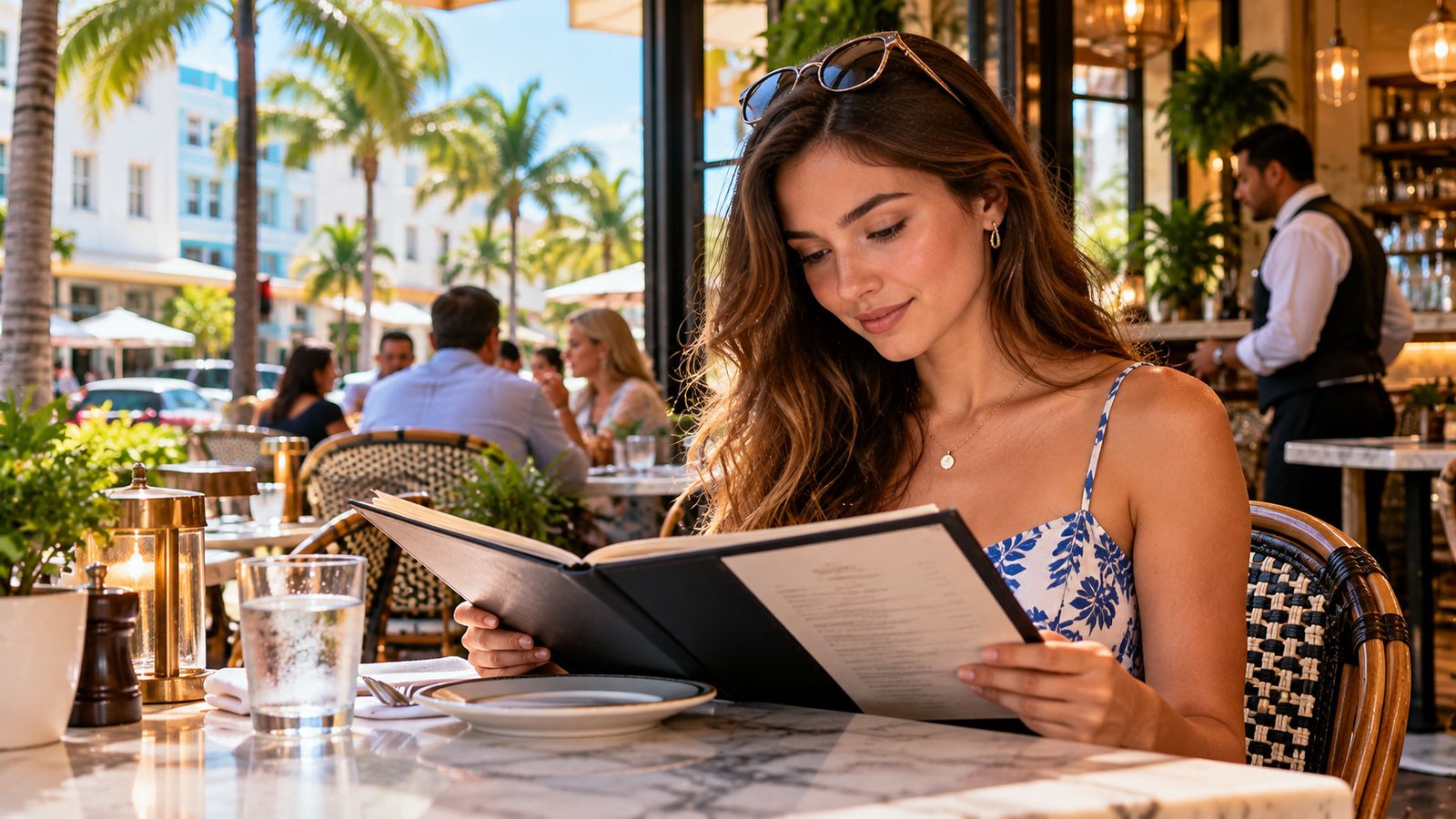
Checking the menu and prices before ordering helps travellers plan their dining budget in Miami.
Miami’s dining options range from inexpensive coffee and sandwich stops to premium tasting menus.
Review the menu and expected total cost before booking. Check whether the restaurant adds service charges, whether tax is included in displayed prices, and whether special menus have restrictions.
For seafood, confirm seasonal availability and ask about market-price dishes before ordering.
Consider Miami Spice Restaurant Months
Miami Spice is a recurring dining programme that invites visitors to try participating restaurants through special prix-fixe menus during a designated period.
Participating venues, prices, menus and dates change from year to year. Consult the official Greater Miami & Miami Beach website before your trip to determine whether the programme is running and whether your preferred restaurant is participating.
It can be a useful way to compare dining experiences, but check the menu and terms to make sure the offer suits your budget and preferences.
Allow Time for Travel Between Neighbourhoods
Miami’s restaurants are spread across a large metropolitan area. A restaurant that appears nearby on a map may still require more travel time than expected.
Plan your meals around one or two neighbouring areas each day. Use current route information to compare driving, public transport or ride-hailing options, and check parking arrangements if you are travelling by car.
Tell Restaurants About Allergies and Dietary Needs
If you have food allergies or dietary restrictions, contact the restaurant before your visit when possible. Ask about ingredients, food preparation and potential cross-contact.
Menus and kitchen procedures vary. Do not assume a dish is safe simply because its description does not list an ingredient.
Explore Beyond the Best-Known Restaurants
Miami’s food culture is not limited to famous dining rooms. Small bakeries, local cafés, takeaway counters and neighbourhood restaurants can be equally important parts of a memorable trip.
Try a dish you have not encountered before, ask about regional specialities and leave space in your itinerary for an unplanned coffee or snack.
Frequently Asked Questions About Miami’s Food Scene
What food is Miami best known for?
Miami is particularly known for Cuban sandwiches, croquetas, Cuban coffee and traditional Cuban dishes. Its wider dining scene also includes Haitian and Caribbean cooking, Peruvian ceviche, Florida seafood and international cuisine.
Where should food lovers eat in Miami?
Little Havana is a good starting point for Cuban cuisine, while Little Haiti offers Haitian and Caribbean specialities. Wynwood is useful for contemporary restaurants, the Design District for Mediterranean and fine dining, and South Beach for seafood and a wide choice of international restaurants.
Is Miami expensive for food?
Costs vary considerably. Coffee windows, bakeries and casual sandwich shops can help keep spending manageable, while premium restaurants and seafood venues can cost much more. Check current menus and compare the full price before booking.
Do I need to reserve Miami restaurants in advance?
Reservations are advisable for popular restaurants, particularly for dinner, weekends, special occasions and busy travel periods. Many casual cafés and takeaway counters operate without reservations, but their opening hours and queues can vary.
When is the best time to try Florida stone crab?
Florida’s stone crab harvest season generally runs from October 15 through May 1. Restaurants may have different sourcing arrangements outside that period, so confirm current availability if fresh stone crab is a priority.
Can I explore Miami’s food scene without renting a car?
Yes. You can focus on walkable areas such as parts of Little Havana, Wynwood, South Beach and the Design District. For restaurants in more distant neighbourhoods, check public transport connections or consider a taxi or ride-hailing service.
Experience Miami One Meal at a Time
Miami is best approached as a collection of food neighbourhoods rather than a single dining district. A morning coffee in Little Havana, a Caribbean meal in Little Haiti, contemporary dining in Wynwood and seafood in Miami Beach can reveal very different sides of the city.
Choose restaurants that match your interests, make reservations when necessary and leave room for small discoveries along the way. With a little planning, a food-focused visit to Miami can become an exploration of the city’s cultures, communities and distinctive flavours.
