
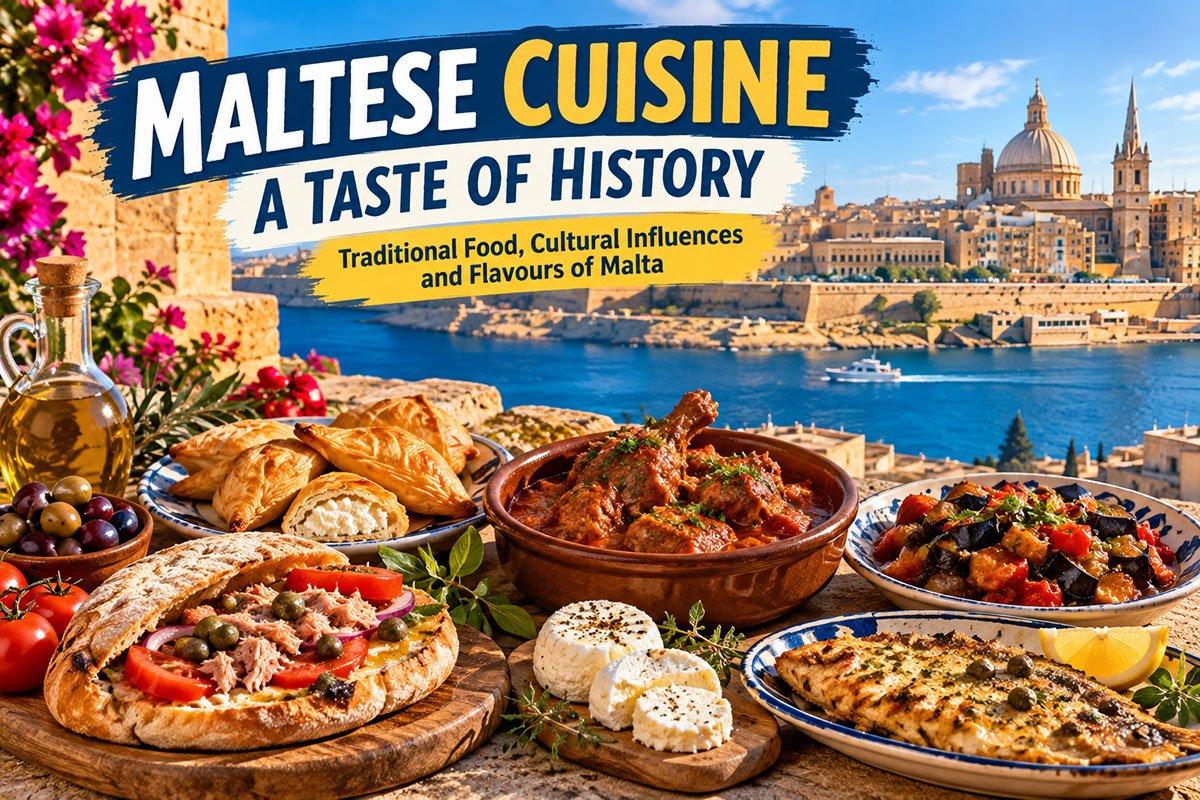
Maltese Cuisine: History, Traditional Food and Flavours
Any Malta travel guide would be incomplete without exploring Maltese cuisine. Food on the Maltese Islands reflects thousands of years of history, with Mediterranean ingredients and culinary traditions shaped by the many cultures that have influenced Malta.
Located in the central Mediterranean, the Maltese archipelago includes Malta, Gozo and Comino. Its position between Europe and North Africa has made the islands an important crossroads throughout history. Phoenicians, Romans, Arabs, the Knights of St John, the French and the British all left their mark on Malta’s culture. Those influences can also be found on the dinner table.
Today, Maltese food combines local traditions with strong Sicilian and wider Italian influences, alongside elements associated with North Africa and Britain’s long presence on the islands. Visit Malta describes the country’s food as distinctly Mediterranean, with particularly strong influences from Sicily and North Africa.
The result is a cuisine that is rustic, varied and deeply connected to Malta’s history.
A Brief History of Maltese Cuisine
Malta’s culinary history stretches back thousands of years. Agriculture, fishing and livestock played important roles in feeding island communities, while successive populations introduced new ingredients, techniques and traditions.
Malta’s official tourism information describes the islands as having more than 7,000 years of history, with the Phoenicians, Arabs, Knights of St John, French and British among the major influences on its development.
Because Malta has limited agricultural land and has historically depended on trade, imported ingredients also became important. This combination of locally available produce and outside influences helped create the distinctive character of Maltese food.
Phoenician and Mediterranean Influences
The Phoenicians established an important presence in Malta during antiquity, contributing to the islands’ development as part of the wider Mediterranean trading network.
Olive cultivation, wine production, fishing and agricultural practices all became important elements of Mediterranean life around the islands.
However, it is better to view Maltese cuisine as the result of centuries of interaction rather than attributing individual modern dishes to one ancient population.
The Mediterranean environment itself has had a lasting influence on the Maltese table. Olive oil, bread, vegetables, fish, seafood, herbs and seasonal produce remain important components of the local food tradition.
Arab Influence on Maltese Food
The Arab period was particularly important in the development of Malta’s agriculture and language.
Arab rule lasted from the ninth to the eleventh centuries, and its influence still shapes Maltese culture today.
Agricultural knowledge and irrigation techniques helped shape food production, while ingredients and flavours associated with North Africa and the Arab world became part of the broader culinary landscape.
Modern Maltese cuisine still reflects this geographical connection.
Spices, sweet flavours, preserved foods and particular agricultural products provide reminders of Malta’s position between southern Europe and North Africa.
Visit Malta specifically identifies North African and Arab influences alongside Sicilian traditions as important elements of Maltese cuisine.
The Influence of Sicily and Italy
Perhaps one of the strongest influences on Maltese cuisine comes from nearby Sicily.
The two islands are geographically close, and centuries of interaction across the Mediterranean helped create similarities between Maltese and Sicilian food.
Pasta, pastries, cheeses, seafood and Mediterranean vegetables feature prominently in both culinary traditions.
However, Maltese cooks developed their own versions of dishes and ingredients, creating a cuisine that is recognisably Maltese rather than simply Sicilian.
This relationship remains visible today. Visit Malta describes Maltese cuisine as heavily influenced by Italy, particularly Sicily, while retaining its own distinctive character.
The Knights of St John
The arrival of the Knights of St John in Malta in 1530 marked another major period of cultural change.
The Knights brought people, traditions and culinary influences from different parts of the Mediterranean and Europe.
Food became part of the cultural exchange surrounding Malta’s growing cities, particularly Valletta.
Ingredients such as meat, game, citrus fruit, spices and sweets became associated with the cuisine of wealthier households, while ordinary Maltese families continued to rely heavily on bread, vegetables, legumes and other affordable local ingredients.
The contrast between elaborate dishes prepared for wealthy households and simple village cooking is an important part of Malta’s culinary history.
Traditional Food and Everyday Maltese Life
Traditional Maltese food was not always elaborate.
For many families, meals were based on inexpensive and readily available ingredients.
The Maltese government’s National Register of Traditional Agro-Food Products describes a historical diet centred on bread, vegetables, minestra, pasta, cheese and salted fish. It also records how vegetable-based soups were particularly important in village communities.
This helps explain why many traditional Maltese dishes are hearty rather than complicated.
Fresh vegetables, bread, olive oil, legumes and seasonal ingredients could be transformed into filling family meals.
Maltese food therefore reflects both Mediterranean abundance and periods when food resources were limited.
British Influence on Maltese Cuisine
British rule also left its mark on Malta.
The British established control over Malta during the early nineteenth century, and the islands remained part of the British Empire until independence in 1964.
British influence can be seen in aspects of Maltese food culture, including ingredients, eating habits and certain dishes.
Tea, milk, meat-based meals and some British-style preparations became familiar parts of local life.
The influence did not replace traditional Maltese cooking. Instead, it became another layer in a cuisine that had already absorbed influences from several Mediterranean cultures.
World War II and Food in Malta
Food history cannot be separated from Malta’s experience during the Second World War.
The islands endured severe shortages and extensive bombing during the conflict. Access to food became a major challenge, and rationing formed an important part of everyday life.
These experiences contributed to a food culture in which making the most of available ingredients remained important.
Simple soups, vegetables, bread and other affordable ingredients could provide substantial meals for families.
That tradition of practical cooking remains relevant to the character of Maltese home cuisine.
Traditional Maltese Food You Should Try
A visit to Malta offers plenty of opportunities to explore local food.
Traditional dishes range from simple snacks and bread to seafood, pasta dishes, meat stews and pastries.
Here are some of the foods worth looking for during your trip.
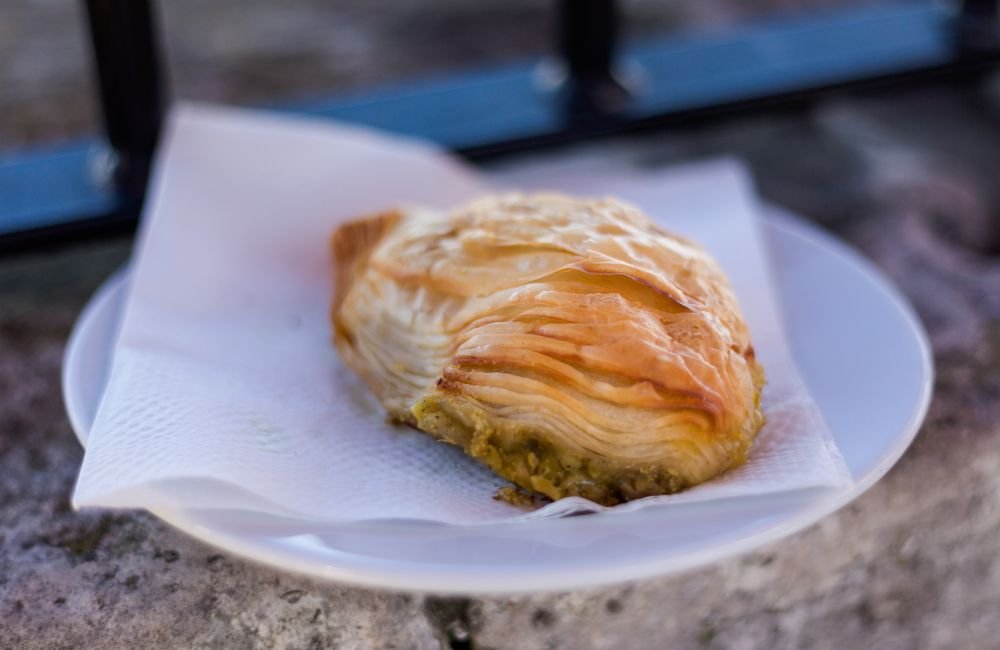
Pastizzi
Pastizzi are among Malta’s best-known savoury pastries.
These small pastries are made with flaky pastry and commonly filled with either ricotta or a seasoned pea mixture.
They are inexpensive, convenient and widely associated with everyday Maltese food culture.
For travellers, pastizzi are an easy way to experience a traditional local snack without committing to a large meal.
Ftira
Il-Ftira is one of the most important traditional foods in Malta.
This distinctive sourdough bread has a thick crust and light, open interior. It is commonly sliced and filled with Mediterranean ingredients such as tomatoes, olive oil, tuna, olives and capers.
UNESCO recognised Il-Ftira: the culinary art and culture of flattened sourdough bread in Malta on its Representative List of the Intangible Cultural Heritage of Humanity in 2020.
That recognition highlights that ftira is more than simply a type of bread. Its preparation and consumption form part of Malta’s living cultural heritage.
Hobż biż-Żejt
Another popular Maltese bread-based food is hobż biż-żejt.
The name refers to bread with olive oil and is commonly associated with ingredients such as tomato, tuna, olives, capers and other Mediterranean flavours.
It is a simple dish, but it demonstrates many of the characteristics that define Maltese food: good bread, olive oil, fresh ingredients and strong Mediterranean flavours.
Stuffat tal-Fenek
Rabbit stew, known as stuffat tal-fenek, is one of Malta’s most famous traditional dishes.
Rabbit has long been associated with Maltese food culture, and the dish is generally slow cooked to develop a rich flavour.
For visitors interested in traditional food, rabbit stew offers an opportunity to experience one of the dishes most strongly associated with Malta’s culinary identity.
The dish continues to feature prominently in contemporary Maltese food events. For example, the 2026 Valletta Local Food Festival highlighted rabbit stew among its traditional Maltese specialities.
Lampuki Pie
Fish is naturally important to an island nation, and lampuki pie is one of Malta’s traditional seafood dishes.
Lampuki, also known as mahi-mahi or dorado, is used in a savoury pie that combines fish with other ingredients inside pastry.
The dish reflects Malta’s relationship with the surrounding Mediterranean and the importance of seasonal seafood.
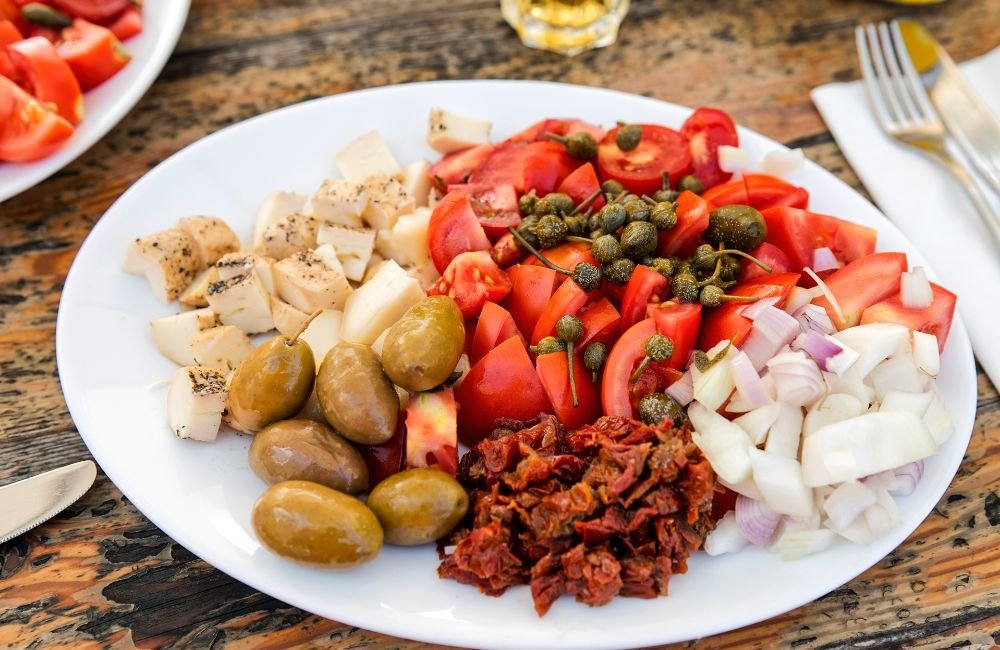
Kapunata
Kapunata is Malta’s version of a Mediterranean vegetable dish similar to caponata.
It typically combines ingredients such as tomatoes, aubergines, capers and olives.
The dish demonstrates the strong relationship between Maltese cooking and the wider Mediterranean culinary tradition.
It is also a good example of how vegetables, herbs and preserved ingredients can create a flavourful meal without relying heavily on meat.
Aljotta
For seafood lovers, aljotta is another traditional dish worth seeking out.
This Maltese fish soup combines fish with ingredients such as tomatoes, garlic, herbs and rice.
It is particularly representative of Malta’s island environment and its long relationship with fishing.
Ġbejna
Malta also has its own traditional cheese known as ġbejna.
This small cheese is traditionally made from sheep’s milk and can be found in different forms, including fresh, dried and seasoned varieties.
It is commonly served as part of Maltese meals, snacks and antipasti.
Bigilla
Bigilla is a traditional Maltese broad-bean dip.
It is typically prepared with dried broad beans and seasoned with ingredients such as garlic, herbs and olive oil.
Served with bread or crackers, it is a simple but flavourful example of Malta’s long tradition of using legumes in everyday cooking.
Bread Is Central to Maltese Food Culture
Bread deserves special attention when discussing Maltese cuisine.
Historically, bread was a fundamental part of the Maltese diet. Government documentation on Malta’s traditional agro-food products describes bread and vegetable-based dishes as important components of everyday diets, particularly among rural communities.
That tradition continues today.
Maltese bread is commonly served alongside meals, used for snacks and incorporated into dishes such as ftira and hobż biż-żejt.
The cultural importance of ftira has even been recognised internationally through UNESCO’s Intangible Cultural Heritage List.
Malta’s Modern Food Scene
Traditional food remains important, but Malta’s dining scene is not limited to historic recipes.
Visitors can now find everything from small bakeries and village cafés to contemporary restaurants and Michelin-starred establishments.
Visit Malta highlights both traditional Maltese dishes and the islands’ modern culinary experiences, including Michelin-starred restaurants and local produce.
This combination gives travellers plenty of choices.
You could start the morning with a traditional pastry, enjoy a seafood lunch by the coast and finish the evening at a contemporary restaurant.
Malta’s Growing Culinary Reputation
The Maltese food scene continues to develop.
In 2025, Malta’s Institute of Tourism Studies launched the Mediterranean Gastronomy Educational Partnership with Institut Lyfe in France and CAST Alimenti in Italy. The initiative includes advanced training in Mediterranean culinary arts and aims to strengthen professional expertise in the sector.
This development illustrates how Malta’s culinary identity is being preserved while also being connected to modern gastronomy and professional culinary education.
Food Festivals in Malta
Food festivals provide another way to experience local cuisine.
The Valletta Local Food Festival returned in July 2026, bringing chefs, food artisans and producers together in St George’s Square.
The event showcased traditional flavours as well as contemporary interpretations of local ingredients. Dishes featured included rabbit stew, braġjoli, snails, timpana, pork dishes and freshly prepared ftira.
Events like this provide visitors with an opportunity to experience Maltese food beyond restaurant menus.
Maltese Food in Gozo
Gozo has its own food traditions and is an important part of the Maltese culinary experience.
Local produce, cheese, bread, vegetables, honey and seafood all contribute to Gozo’s food culture.
Gozo is also known for Gozitan ftira, which Visit Malta lists among the islands’ traditional delicacies.
Travellers should therefore consider exploring local food on both Malta and Gozo rather than limiting their culinary experience to the main tourist areas.
Mediterranean Ingredients at the Heart of Maltese Cuisine
Despite the many outside influences, Maltese food remains strongly Mediterranean.
Common ingredients include:
- Olive oil
- Tomatoes
- Garlic
- Onions
- Capers
- Olives
- Fresh fish
- Seafood
- Vegetables
- Broad beans
- Bread
- Cheese
- Herbs
- Citrus fruits
- Honey
Malta’s health authorities describe traditional Maltese food as primarily Mediterranean, with seasonal agricultural products and seafood playing important roles alongside strong Sicilian influence.
This Mediterranean foundation gives Maltese food its distinctive combination of fresh, salty, savoury and aromatic flavours.
Why Maltese Cuisine Is So Unique
What makes Maltese cuisine particularly interesting is the way different influences have become part of a distinctly local food culture.
It is not simply Italian food, despite the strong Sicilian connection.
It is not simply North African food, despite the historical Arab influence.
Nor is it simply British food, despite more than 150 years of British rule.
Instead, Maltese cooking combines elements from different periods of the islands’ history with local ingredients, traditions and techniques.
That is what makes the cuisine so closely connected to Malta itself.
A Food Journey Through Malta
The best way to understand Maltese cuisine is to experience it while travelling through the islands.
Start with a traditional pastizz from a local bakery. Try ftira for lunch, sample ġbejna and bigilla with other local dishes, and look for rabbit stew or fresh seafood for dinner.
Do not overlook the simpler foods.
A piece of fresh Maltese bread with olive oil and tomatoes can tell you as much about the country’s food culture as an elaborate restaurant meal.
Likewise, visiting a local food festival, bakery or village restaurant can provide a different perspective from dining exclusively in tourist-focused establishments.
Experience Malta Through Its Food
Food is one of the best ways to understand Malta’s history.
The islands’ strategic Mediterranean location brought centuries of cultural exchange, and those influences remain visible in the ingredients, recipes and traditions found across Malta and Gozo.
From pastizzi and ftira to rabbit stew, lampuki pie, bigilla and ġbejna, traditional dishes provide a direct connection to Maltese culture.
At the same time, Malta’s contemporary culinary scene continues to evolve through new restaurants, professional culinary education, food festivals and modern interpretations of local ingredients.
So whether you are visiting Malta for a holiday, a business trip or a longer stay, make time to explore the local food.
A sightseeing itinerary can show you Malta’s temples, fortifications, beaches and historic streets. A culinary journey can show you how the people of these islands have lived, traded, adapted and celebrated across centuries.
Maltese cuisine is ultimately more than a collection of recipes. It is a taste of Malta’s history, Mediterranean identity and living cultural heritage.
