
India’s Top Five Tourist Destinations: Places to Visit for an Unforgettable Journey
India offers an extraordinary variety of travel experiences. Its landscapes range from Himalayan mountains and high-altitude lakes to tropical beaches, forests and tranquil backwaters.
Its cultural diversity is equally remarkable. Different regions have their own languages, cuisines, traditions, architecture and festivals. Historic cities preserve the legacy of ancient kingdoms, Mughal rulers and the colonial era, while modern cities showcase India’s rapidly changing urban landscape.
For first-time visitors, choosing where to go can therefore be difficult.
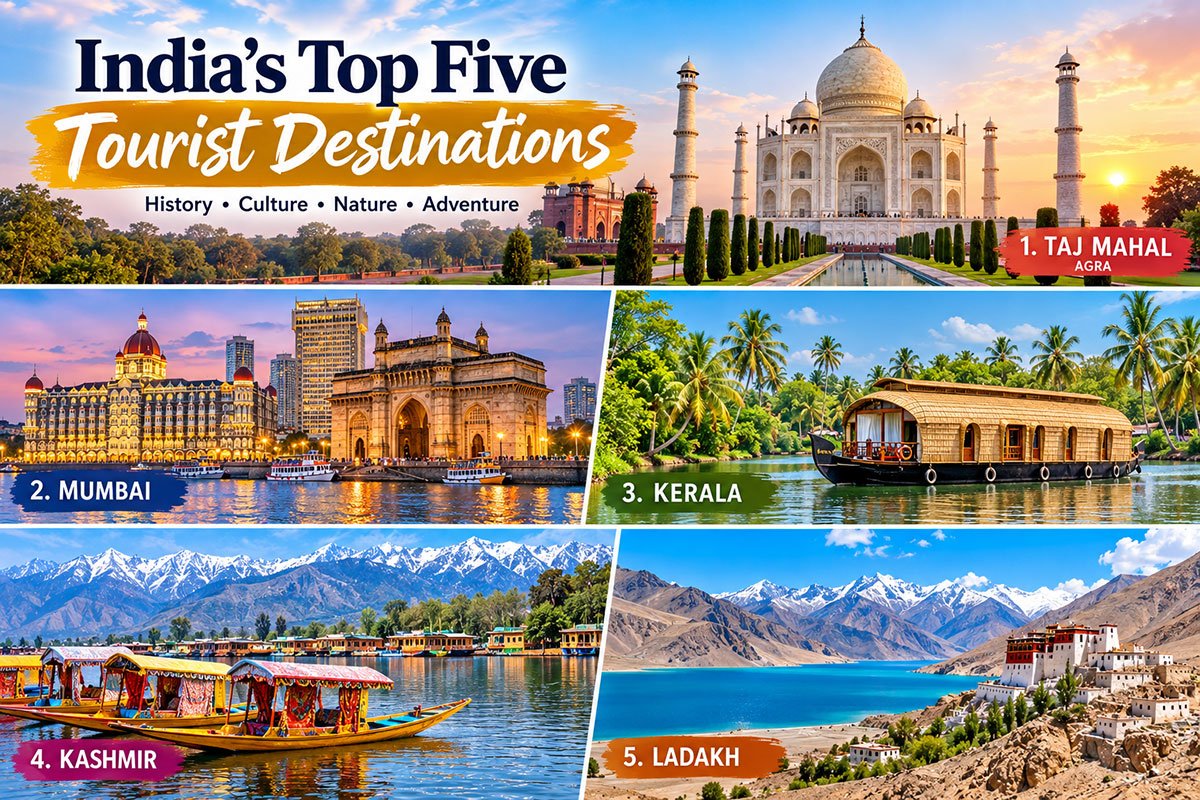
This guide highlights five of India’s top tourist destinations that offer very different experiences: Agra, Mumbai, Kerala, Kashmir and Ladakh.
-
Taj Mahal, Agra
No list of India’s great attractions is complete without the Taj Mahal.
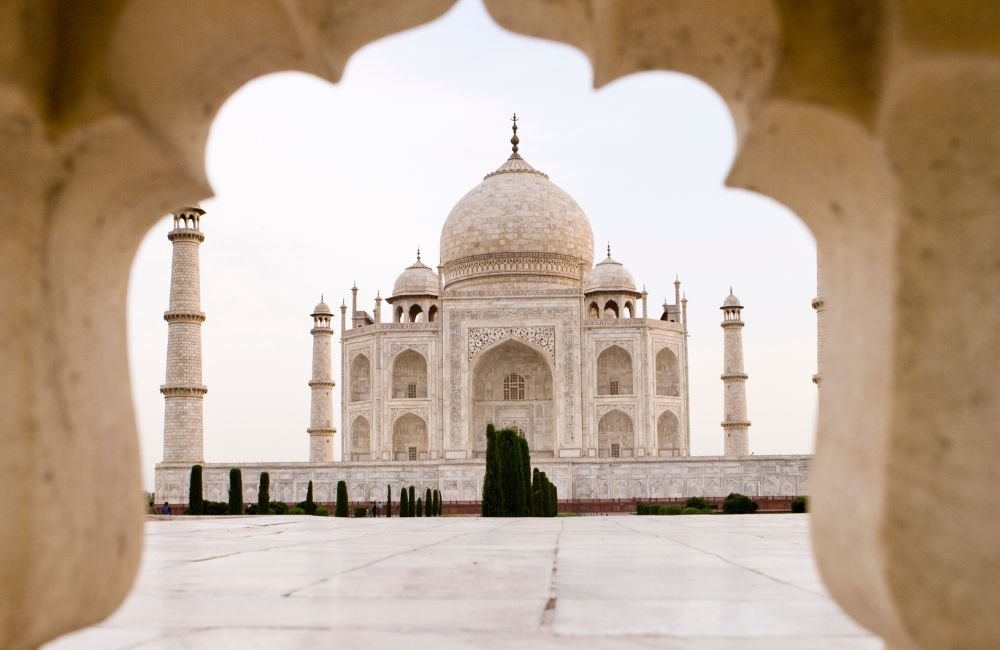
Located in Agra, Uttar Pradesh, the monument stands on the banks of the Yamuna River. Mughal emperor Shah Jahan commissioned it in memory of his wife, Mumtaz Mahal. Construction began in 1632, and the principal mausoleum was completed in 1648. The wider complex was completed later. UNESCO World Heritage Centre
The Taj Mahal forms part of a larger architectural complex. Its white-marble mausoleum, gardens, mosque, guest house and monumental gateway create one of the world’s most recognizable heritage landscapes.
UNESCO describes the Taj Mahal as a masterpiece of Muslim art in India and one of the universally admired monuments of world heritage. It became a UNESCO World Heritage Site in 1983. UNESCO World Heritage Centre
What to see in Agra
Visitors can combine the Taj Mahal with other major attractions, including:
- Agra Fort
- Mehtab Bagh
- Itmad-ud-Daulah’s Tomb
- Fatehpur Sikri
- Mughal-era markets and heritage areas
Sunrise and sunset can provide especially atmospheric views of the Taj Mahal. Visitors should also check official visitor information before travelling because entry arrangements and opening schedules can change.
-
Mumbai
If Agra represents India’s magnificent Mughal heritage, Mumbai represents its modern, cosmopolitan character.
Formerly known as Bombay, Mumbai is Maharashtra’s capital and one of India’s most important financial, cultural and entertainment centres.
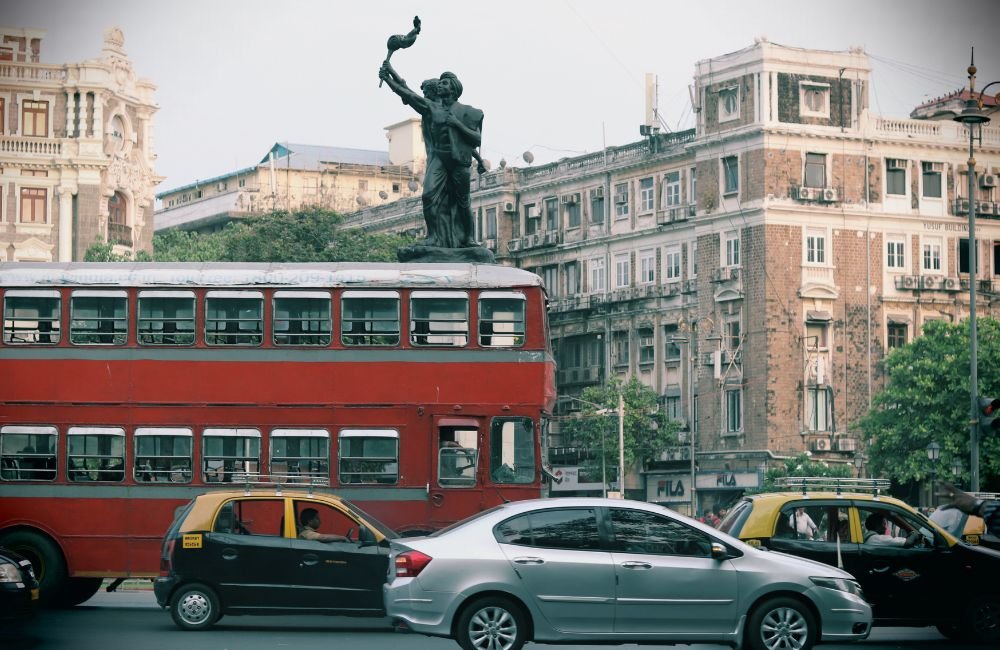
The city combines colonial-era architecture, Art Deco buildings, modern skyscrapers, busy markets, waterfront promenades and diverse neighbourhoods.
Mumbai’s historic architecture is one of its major attractions. The Victorian Gothic and Art Deco Ensembles of Mumbai became a UNESCO World Heritage Site in 2018. The ensemble includes historic buildings around the Oval Maidan and Art Deco architecture extending towards Marine Drive. UNESCO World Heritage Centre
The city also contains another UNESCO World Heritage Site, Chhatrapati Shivaji Terminus, an exceptional example of Victorian Gothic architecture blended with Indian architectural traditions. UNESCO World Heritage Centre
Things to experience in Mumbai
Consider adding these experiences to your itinerary:
- Gateway of India
- Marine Drive
- Chhatrapati Shivaji Terminus
- Colaba
- Kala Ghoda
- Crawford Market
- Mumbai’s street-food culture
- Victorian Gothic and Art Deco architecture
Mumbai works particularly well for travellers who enjoy history, food, architecture, shopping and urban culture.
-
Kerala
For a very different experience, head south to Kerala.
Known for its tropical landscapes, beaches, hill stations, forests and backwaters, Kerala offers a slower style of travel.
The state’s famous backwaters form an extensive network of canals, lakes, rivers and lagoons. Kerala Tourism describes the system as stretching for more than 900 kilometres, with Vembanad Lake forming its largest backwater stretch. Kerala Tourism
Experience Kerala by houseboat
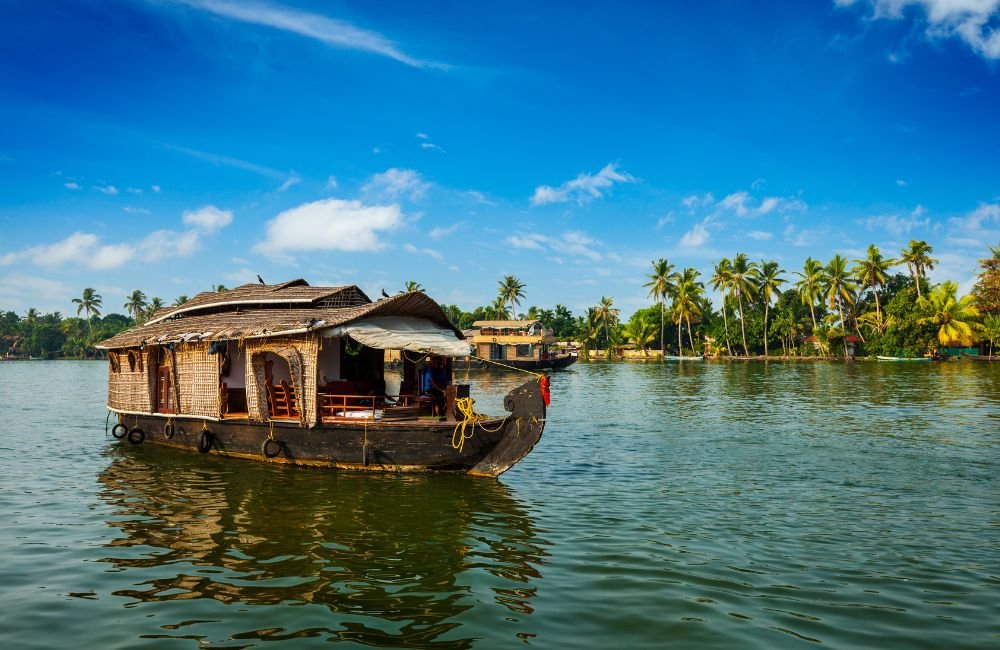
A houseboat journey through Kerala’s backwaters remains one of the region’s signature experiences.
Modern houseboats developed from traditional kettuvallams, which once transported rice and other goods. Today, many houseboats offer bedrooms, bathrooms, living spaces and other modern facilities. Kerala Tourism
Alappuzha, commonly known as Alleppey, is particularly associated with houseboat cruises.
Kerala also offers:
- Beaches
- Western Ghats landscapes
- Wildlife
- Tea and spice-growing regions
- Ayurveda and wellness experiences
- Traditional cuisine
- Village and cultural experiences
The Western Ghats add another dimension to Kerala’s natural appeal. UNESCO recognizes the mountain range for its exceptional biodiversity and ecological importance. UNESCO World Heritage Centre
-
Kashmir Valley
The Kashmir Valley is famous for its mountains, lakes, gardens and scenic landscapes.
The region has long attracted visitors seeking cooler mountain surroundings and spectacular natural scenery. Srinagar, the valley’s main urban centre, provides an excellent base for exploring the area.
Dal Lake and Srinagar
One of Kashmir’s most recognizable experiences is spending time around Dal Lake.
Visitors can explore the lake by traditional shikara boat and experience Srinagar’s distinctive waterfront culture. The city’s Mughal gardens also provide an important connection with Kashmir’s historic landscape.
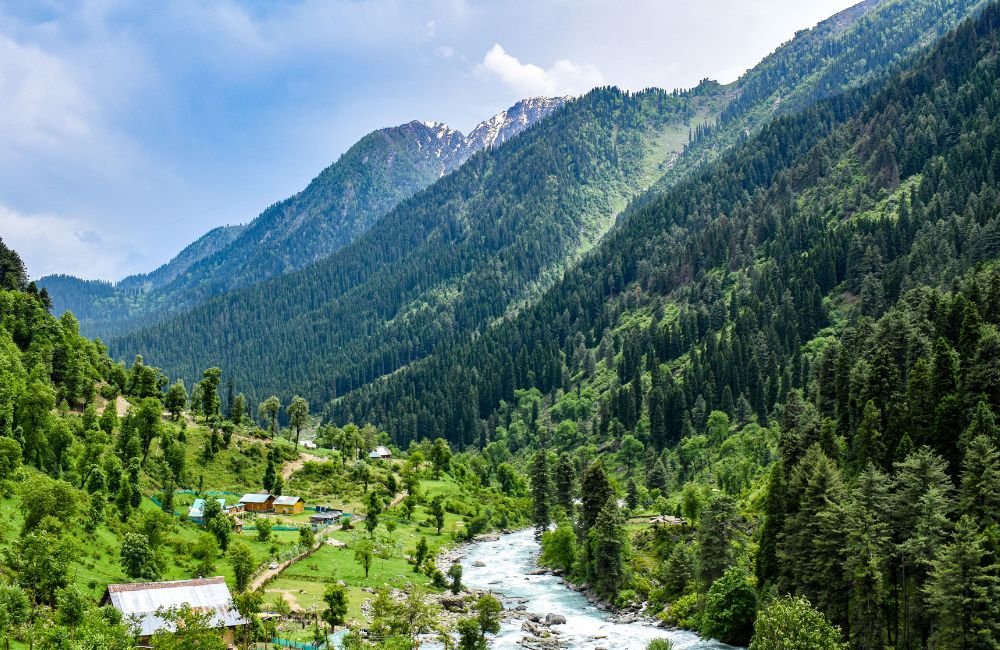
Beyond Srinagar, popular destinations include:
- Gulmarg
- Pahalgam
- Sonamarg
- Doodhpathri
- Mughal gardens
- Himalayan trekking and outdoor areas
Travel conditions in Kashmir can change because of weather, local circumstances and seasonal access. Visitors should check current official travel and local advisories before planning excursions.
This makes Kashmir an especially rewarding destination for travellers who enjoy combining scenery, culture and outdoor experiences.
-
Ladakh
For dramatic Himalayan scenery, few destinations compare with Ladakh.
Often described as the “Land of High Passes”, Ladakh combines barren mountain landscapes, Buddhist monasteries, high-altitude lakes and traditional settlements.
Leh is the principal gateway for many journeys through the region.
The official Ladakh Tourism website currently highlights destinations such as Pangong Tso, Tso Kar, Tso Moriri, Nubra Valley, Alchi, Thiksey and Hemis monasteries. Ladakh Tourism
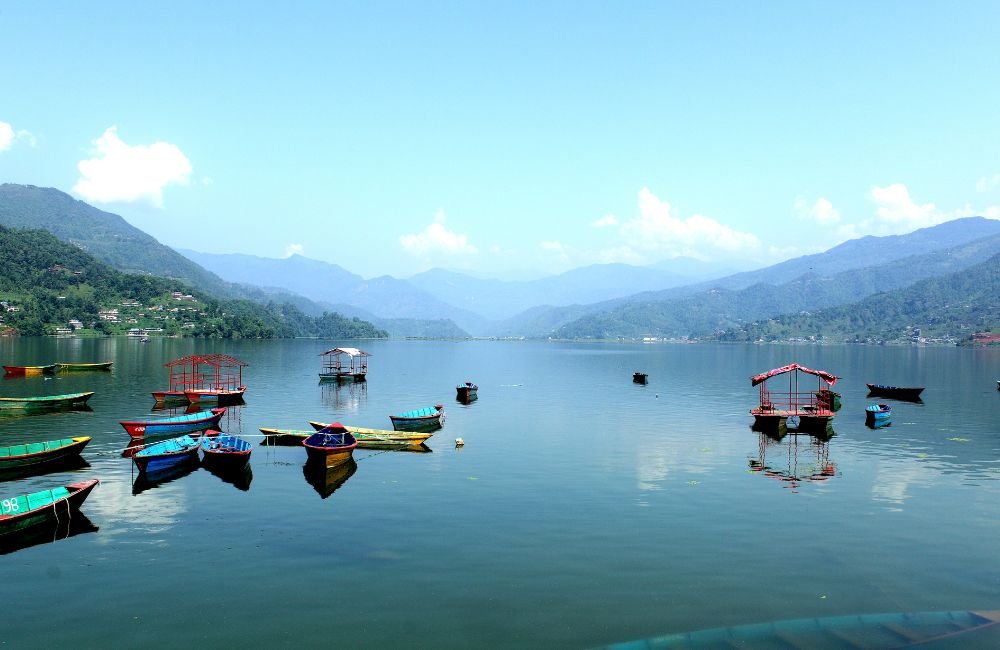
Explore Ladakh’s high-altitude landscapes
Pangong Tso is one of Ladakh’s best-known attractions. The lake sits at approximately 4,350 metres and is famous for its changing colours and dramatic mountain surroundings. Ladakh Tourism
Ladakh also offers:
- Buddhist monasteries
- High mountain passes
- Nubra Valley
- Tso Moriri
- Zanskar landscapes
- Trekking routes
- Motorcycle and road journeys
- Traditional Ladakhi villages
Altitude is an important consideration when visiting Ladakh. Travellers should allow time to acclimatize and follow local health and safety advice.
The official Ladakh Tourism portal now emphasizes safe, verified and permit-ready travel information, making it a useful resource when planning a trip. Ladakh Tourism
Why These Are Among India’s Top Tourist Destinations
These five destinations demonstrate how diverse India can be.
| Destination | Best known for |
| Agra | Taj Mahal and Mughal heritage |
| Mumbai | Architecture, culture and city life |
| Kerala | Backwaters, beaches and nature |
| Kashmir | Lakes, mountains and valleys |
| Ladakh | Himalayas, monasteries and high-altitude landscapes |
Together, they cover a remarkable range of experiences.
You can explore Mughal architecture in Agra, walk among historic buildings in Mumbai, cruise Kerala’s backwaters, admire Kashmir’s mountain scenery and experience Ladakh’s high-altitude Buddhist culture.
Plan Your India Trip Around the Season
India’s size means that travel conditions vary greatly between regions.
The best time to visit one destination may not be ideal for another. For example, Ladakh has a very different seasonal pattern from tropical Kerala, while Kashmir and the Himalayan regions experience significant winter conditions.
Before booking flights and accommodation, check:
- Weather conditions
- Local tourism information
- Monument opening arrangements
- Road conditions
- Accommodation availability
- Regional travel advisories
- Permit requirements where applicable
Using official tourism sources is particularly important for destinations where weather or access can change quickly.
India Offers Far More Than Five Places
These five destinations are only a starting point.
India also offers Rajasthan’s forts and palaces, Goa’s beaches, the Northeast’s mountains and cultures, Tamil Nadu’s temples, the Andaman and Nicobar Islands, Karnataka’s heritage sites and many other destinations.
That diversity is one of India’s greatest strengths as a travel destination.
Final Thoughts
India’s appeal lies in its extraordinary variety.
The Taj Mahal offers an unforgettable encounter with Mughal architecture. Mumbai reveals India’s cosmopolitan and architectural character. Kerala combines tropical landscapes with its famous backwaters. Kashmir offers spectacular Himalayan scenery, while Ladakh provides an entirely different high-altitude experience.
These destinations also show why India rewards repeat visits. A journey through one region can feel completely different from a trip through another.
If you are planning your first visit, start with the destinations that match your interests, allow enough time to explore them properly and check official travel information before departure.
India’s top tourist destinations are not simply places to see. They are experiences that reveal the country’s remarkable history, culture, landscapes and diversity.
