
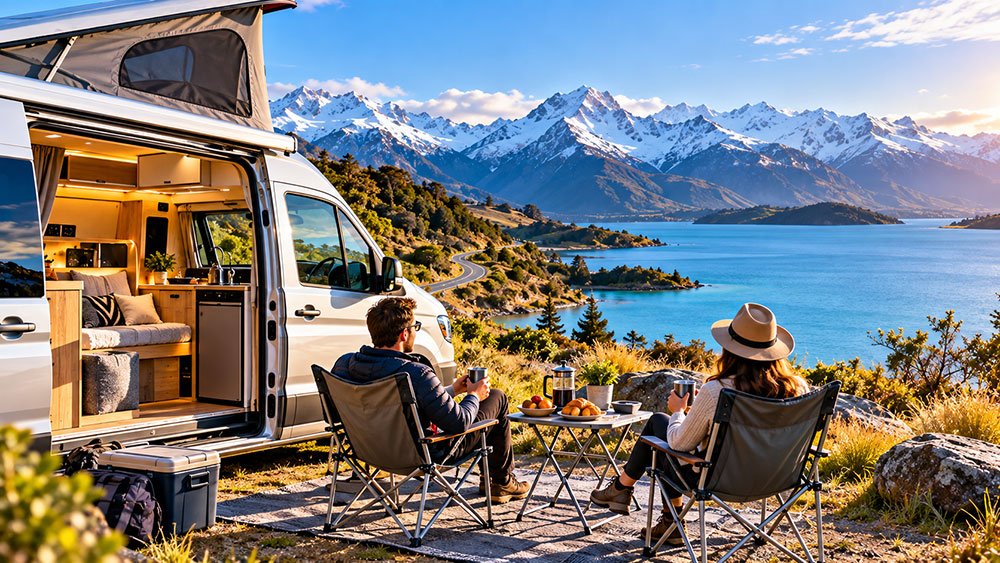
How to Travel in Style With a Campervan: Complete Guide
A campervan can turn an ordinary road trip into a memorable travel experience. You have your own transport, sleeping space and, depending on the vehicle, a kitchen, bathroom and other comforts wherever you go.
For travellers who enjoy freedom and flexibility, a campervan road trip offers an opportunity to explore at your own pace. You can wake up beside a lake, stop for lunch overlooking the mountains or spend the evening near the coast without changing hotels every night.
Modern campervans range from compact two-person vehicles to large motorhomes designed for families. The right choice depends on your destination, travel style, budget and the number of people travelling.
If you want to travel comfortably while still enjoying the freedom of the open road, these tips can help you plan a stylish and practical campervan holiday.
What Is a Campervan?
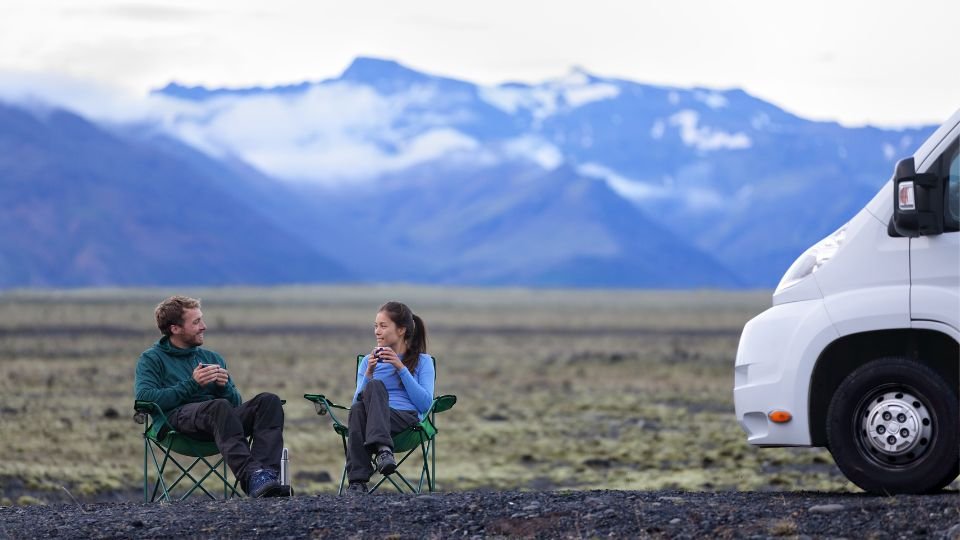
A campervan is a vehicle that combines transportation with accommodation. Depending on its size and design, it may include sleeping areas, a kitchen, refrigerator, storage, heating, water systems and bathroom facilities.
Smaller campervans are designed to be compact and easy to drive. Larger motorhomes can provide considerably more living space and may include separate sleeping areas, showers, toilets and larger kitchens.
Modern campervan layouts vary considerably, so it is important to compare the specifications before booking.
Some campervans include:
- Beds or convertible sleeping areas
- Kitchenettes
- Gas or electric cooking facilities
- Refrigerators
- Water tanks
- Heating
- Dining areas
- Storage cupboards
- Portable or fixed toilets
- Showers
- Electrical hook-ups
- Solar power
- USB charging points
- Entertainment systems
Not every vehicle includes all these features. Always check the rental company’s specifications before making a reservation.
Choose the Right Campervan
The first step towards a comfortable campervan holiday is choosing a vehicle that suits your trip.
A compact campervan can be a good choice for couples or solo travellers who plan to spend most of their time outdoors. A larger motorhome may be more suitable for families or groups who want additional living space.
Think about the following before choosing your vehicle:
Number of travellers
Make sure the campervan has enough approved sleeping and travelling capacity for everyone.
Do not assume that the number of sleeping berths is the same as the number of passengers allowed to travel in the vehicle.
Driving comfort
Consider the vehicle’s size, transmission, fuel consumption and driving characteristics.
A larger motorhome can provide more space but may require greater care on narrow roads, in towns and when parking.
Sleeping arrangements
Check how the beds are configured and whether they need to be converted each night.
For longer trips, comfortable sleeping arrangements can make a major difference.
Kitchen facilities
If you plan to prepare your own meals, check whether the campervan has a refrigerator, cooking facilities, food preparation space and adequate storage.
Bathroom facilities
If having your own toilet or shower is important, choose a vehicle designed with those facilities.
Plan Your Campervan Route
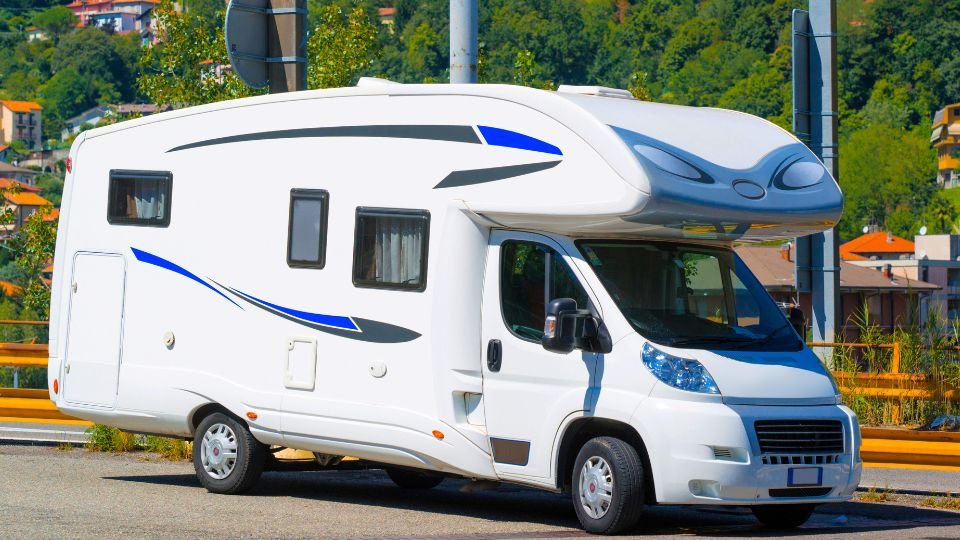
One of the biggest advantages of campervan travel is flexibility. However, flexibility does not mean you should travel without a plan.
A basic route can help you estimate driving distances, fuel requirements and overnight stops.
At the same time, leave some room for spontaneous stops.
Official New Zealand tourism guidance, for example, promotes campervan road trips that combine major attractions with scenic routes and flexible travel. Suggested routes include journeys through the North and South Islands, with options ranging from coastal drives to mountain landscapes.
Avoid planning too much driving
A common mistake is trying to cover too much distance every day.
Remember that the purpose of a campervan holiday is to enjoy the journey as well as the destination.
Instead of driving for six or seven hours every day, consider shorter driving periods with time for:
- Scenic viewpoints
- Local towns
- Beaches
- Hiking trails
- Wildlife experiences
- Museums
- Markets
- Restaurants
- Photography stops
A slower itinerary can make your trip much more enjoyable.
Travel in Comfort
A campervan can be compact, so organisation is important.
Pack only what you need and make sure frequently used items are easy to reach.
Useful items include:
- Comfortable bedding
- Travel towels
- Lightweight clothing
- Waterproof jackets
- Comfortable shoes
- Reusable water bottles
- Portable chargers
- Food storage containers
- Headlamps or small torches
- Basic cooking equipment
- Personal toiletries
- First-aid supplies
- Navigation equipment
- Travel documents
Avoid filling every storage compartment. Leaving some spare space makes it easier to keep the campervan organised.
Make the Most of the Kitchen
One of the benefits of travelling by campervan is having the option to prepare your own meals.
You do not need to cook elaborate dishes every night. Simple meals can be ideal after a long day of driving or exploring.
Consider preparing:
- Pasta
- Rice dishes
- Sandwiches
- Salads
- Soups
- Breakfasts
- Grilled vegetables
- Simple one-pot meals
Buying fresh food locally can also become part of the experience.
Visit farmers’ markets, local bakeries and small food shops along your route. This can help you discover regional food while avoiding the need to carry a large amount of food throughout your trip.
Choose the Right Campsite
Where you spend the night can have a major effect on your campervan experience.
Depending on your destination, you may have several options:
- Holiday parks
- Dedicated motorhome sites
- Campgrounds
- National park campsites
- Private campsites
- Approved overnight parking areas
- Legal freedom-camping locations
Facilities vary considerably.
A holiday park may provide showers, toilets, laundry facilities, kitchens and powered sites. More basic campsites may offer little more than a parking area and toilets.
New Zealand’s official tourism information notes that holiday parks commonly provide powered and non-powered sites, shared facilities and additional amenities.
Understand Freedom-Camping Rules
Never assume that you can park your campervan anywhere and stay overnight.
Camping regulations differ between countries, regions, councils and individual land managers.
New Zealand is a good example of why travellers need to check local rules. Freedom camping can be permitted in some locations, but other areas prohibit it or restrict overnight stays to certified self-contained vehicles.
There has also been an important New Zealand change in 2026. From 7 June 2026, vehicles seeking certification as self-contained under the new requirements need a green warrant, and portable toilets can no longer be used to obtain certification. The toilet must be fixed to the vehicle.
Therefore, always check the latest official rules before choosing where to stay.
Use Campsites Responsibly
Wherever you travel, responsible camping matters.
Follow local signs and regulations, dispose of waste correctly and avoid damaging the environment.
New Zealand’s Department of Conservation advises freedom campers to obey restrictions, manage waste responsibly, avoid fires where prohibited and avoid damaging plants and wildlife.
Responsible travel helps protect the places that make campervan holidays attractive in the first place.
Stay Connected to Electricity and Water
Depending on your vehicle, you may need to manage several basic resources during your trip.
These can include:
- Fresh water
- Waste water
- Toilet waste
- Battery power
- Gas
- Fuel
- Electricity
Powered campsites allow campervans to connect to mains electricity and use additional electrical equipment. Some vehicles also use solar systems or auxiliary batteries.
DOC guidance for New Zealand notes that only some campsites have dump stations, so travellers should plan where they will dispose of motorhome waste.
Do not wait until a tank is empty or a battery is nearly exhausted before finding the next service point.
Check Your Driving Requirements
Before collecting your campervan, make sure your driving licence is valid for the vehicle you are hiring.
Requirements differ between countries and rental companies.
For example, New Zealand’s transport authority currently states that overseas visitors can drive using a current and valid overseas car licence, subject to its requirements. If the licence is not in English, an accurate English translation or International Driving Permit may also be required.
There is also a scheduled change in New Zealand: from 1 November 2026, the period for which an overseas car licence can be used will reduce from 18 months to 12 months from the traveller’s latest arrival.
Always check the official driving rules for the country you plan to visit before travelling.
Read the Rental Agreement Carefully
Campervan rental terms can vary considerably.
Before signing the agreement, check:
- Minimum driver age
- Licence requirements
- Additional driver fees
- Insurance
- Excess or deductible
- Security deposit
- Mileage limits
- Fuel policy
- Cleaning requirements
- Damage policies
- One-way rental fees
- Cancellation rules
- Late-return charges
- Breakdown assistance
- Camping equipment
- Kitchen equipment
In New Zealand, rental companies must provide written hire agreements, and rental vehicles must meet legal safety and roadworthiness requirements. Renters must also follow the conditions of the hire agreement.
Understand Campervan Insurance
Insurance is an important part of campervan rental.
Do not automatically assume that the basic rental price includes comprehensive protection.
Depending on the rental company, you may have options involving standard cover, additional protection or a higher excess.
New Zealand’s official tourism information notes that campervan rates may include unlimited kilometres but can exclude insurance, while New Zealand Consumer Protection recommends checking exactly what rental insurance covers and under what circumstances.
Before accepting the vehicle, understand your financial responsibility if there is:
- Vehicle damage
- Windscreen damage
- Tyre damage
- Theft
- An accident
- Interior damage
- Lost keys
Keep a copy of the rental agreement and insurance details with you.
Consider a One-Way Campervan Rental
A one-way campervan journey can be particularly useful if you want to explore a region without returning to your starting point.
For example, you might collect your vehicle in one city and return it in another.
This can save driving time and allow you to create a more efficient route. However, one-way rentals may involve additional fees or availability restrictions.
Always check the rental company’s relocation and return conditions before booking.
Campervan Relocation Deals
Some rental companies and specialist services offer campervan relocation deals.
These arrangements can allow travellers to move a vehicle between two locations at a reduced rental price in exchange for returning it within an agreed period.
The available routes, dates and conditions vary.
If you are considering a relocation deal, check:
- Collection location
- Return location
- Required return date
- Mileage allowance
- Fuel requirements
- Insurance
- Deposit
- Approved overnight locations
- Additional fees
- What happens if you are delayed
Do not assume that a relocation rental gives unlimited freedom. You still need to follow the rental agreement and local road and camping regulations.
Travel Safely in a Campervan
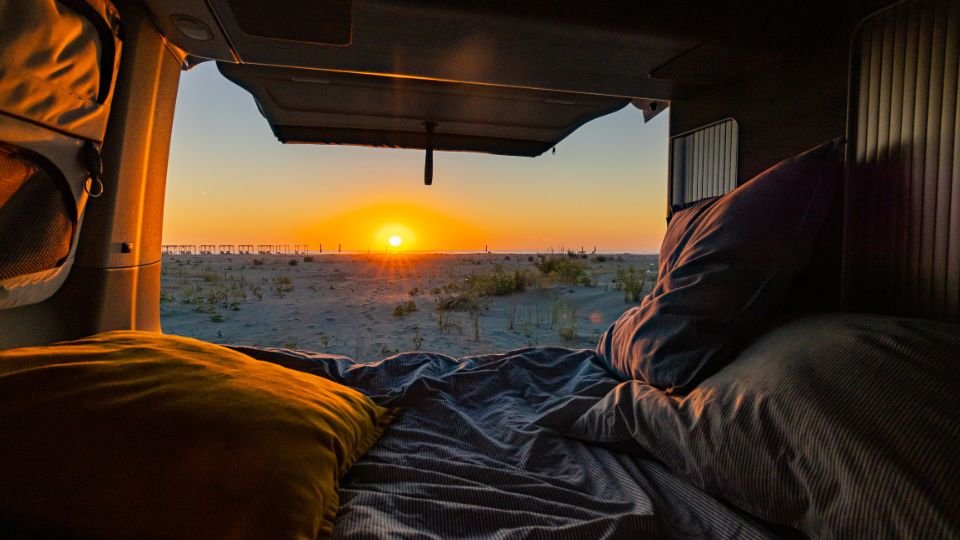
A campervan is both a vehicle and a living space, so safety requires extra attention.
Before starting your journey, make sure you understand:
- How to operate the vehicle
- How to use the cooking equipment
- Where the emergency equipment is stored
- How to connect electricity
- How to fill and empty water tanks
- How to secure interior items
- How to operate the heating system
- Where the spare tyre or repair equipment is located
Never drive with people occupying sleeping areas that are not approved passenger seats.
New Zealand’s transport authority specifically states that renters must not carry more passengers or goods than the vehicle is approved to carry.
Take Care on Narrow and Unfamiliar Roads
Large campervans can handle long road trips, but they may require more care than a normal passenger car.
Allow extra space when:
- Turning
- Parking
- Reversing
- Changing lanes
- Driving through narrow streets
- Passing other vehicles
Check the vehicle’s height before entering car parks, tunnels or covered areas.
Also pay attention to weather and road conditions. Mountain roads, coastal roads and rural routes can have conditions that change quickly.
Travel More Sustainably
Campervan travel can provide a wonderful connection with nature, but travellers should still consider their environmental impact.
Simple steps include:
- Avoid unnecessary idling.
- Reduce water consumption.
- Use designated waste facilities.
- Avoid single-use plastics.
- Buy local food where practical.
- Follow marked roads and tracks.
- Respect wildlife.
- Leave campsites clean.
- Follow local fire restrictions.
New Zealand’s Tiaki Promise, promoted through official tourism channels, encourages visitors to care for the country’s people, environment and culture.
Add Comfort Without Overpacking
Travelling in style does not mean bringing your entire home with you.
A few carefully selected items can make a campervan considerably more comfortable:
- Quality bedding
- Compact outdoor chairs
- A small folding table
- Reusable coffee cups
- Soft lighting
- Compact cooking equipment
- Portable speaker
- Warm blankets
- Organising bags
- Travel-friendly toiletries
The goal is to make the limited space functional rather than crowded.
Enjoy the Freedom of the Open Road
The biggest attraction of a campervan holiday is flexibility.
You can spend an extra day beside a beautiful lake, stop at a small town you had never planned to visit or change your route when the weather changes.
Official New Zealand tourism guidance describes campervans and motorhomes as flexible accommodation for driving holidays and provides road-trip routes across both islands.
That freedom is one of the main reasons campervan travel continues to appeal to families, couples, groups of friends and independent travellers.
Campervan Travel: Pros and Cons
| Benefits | Considerations |
| Transport and accommodation together | Limited living space |
| Flexible itinerary | Driving can be tiring |
| Access to scenic locations | Camping rules vary |
| Convenient for road trips | Fuel costs can add up |
| Kitchen facilities | Cooking and cleaning are still required |
| More privacy | Larger vehicles can be harder to park |
| Suitable for families and couples | Rental insurance needs careful checking |
| Opportunity to spend more time outdoors | Weather can affect the experience |
Final Tips for a Stylish Campervan Holiday
Before you start your journey, take a little time to prepare.
- Choose a campervan that suits your group.
- Check the vehicle’s passenger and sleeping capacity.
- Understand the rental agreement.
- Compare insurance options.
- Plan a realistic route.
- Book campsites when required.
- Check local camping regulations.
- Download useful navigation and campsite apps.
- Pack light but bring essential equipment.
- Check weather and road conditions.
- Keep emergency and rental contact numbers available.
- Leave flexibility in your itinerary.
Frequently Asked Questions About Campervan Travel
Is a campervan good for a family holiday?
Yes. Campervans can combine transport and accommodation, which can make them convenient for family road trips. However, families should choose a vehicle with enough approved passenger seats, sleeping space and storage.
Is it cheaper to travel by campervan?
A campervan can reduce the need to pay separately for transport and accommodation, but it is not automatically cheaper. Fuel, campsite fees, insurance, food, vehicle rental and additional charges should all be included when calculating the total cost.
Can I sleep anywhere in a campervan?
No. Overnight camping rules vary by destination. Some areas prohibit camping completely, while others permit it only at designated sites or for certified self-contained vehicles. Always check local regulations.
What should I look for when renting a campervan?
Compare the vehicle size, sleeping capacity, passenger capacity, kitchen facilities, bathroom facilities, insurance, rental deposit, mileage allowance, breakdown assistance and return conditions.
Do I need a special licence to drive a campervan?
That depends on the vehicle and destination. In some countries, a standard car licence is sufficient for certain campervans, while larger vehicles may require a different licence category. Check the local transport authority and rental company’s requirements before booking.
Should I book campsites in advance?
It depends on the destination and season. Some campsites accept first-come, first-served guests, while others require advance reservations. New Zealand’s Department of Conservation notes that many DOC campsites require bookings.
Is freedom camping allowed in New Zealand?
Freedom camping is allowed in some locations but restricted or prohibited in others. Rules can depend on the land, local bylaws and whether the vehicle meets current self-contained requirements. Always check official information before staying overnight.
Make Your Campervan Journey Your Own
A campervan road trip offers something that traditional holidays cannot always provide: the freedom to combine travel, accommodation and exploration in one journey.
With the right vehicle, sensible route planning and an understanding of local rules, you can enjoy a comfortable journey without sacrificing the spontaneity that makes road trips exciting.
Travel slowly, stop when something catches your attention and give yourself enough time to enjoy the places between your main destinations.
That is the real appeal of travelling by campervan: the journey itself becomes part of the holiday.
