
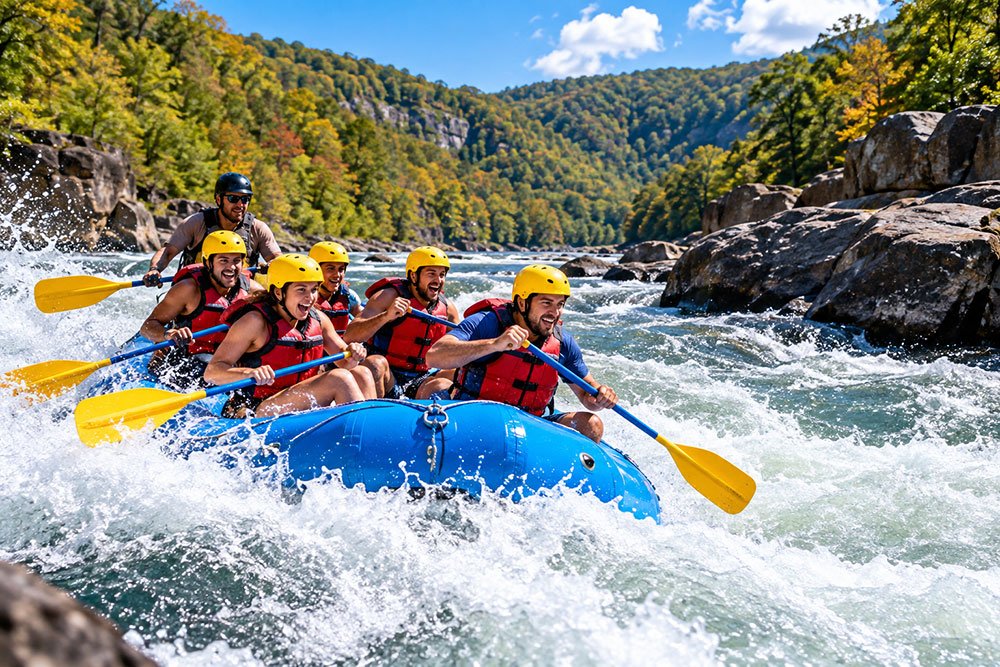
Gauley River Rafting: What to Know Before You Go
Whitewater rafting combines outdoor scenery, teamwork, physical activity, and fast-moving adventure. For experienced paddlers, few destinations offer the intensity and variety of Gauley River rafting in West Virginia.
Located in southern West Virginia, the Gauley River National Recreation Area protects about 25 miles of the Gauley River and several miles of the Meadow River. The Gauley features more than 100 rapids and drops more than 668 feet through rugged Appalachian terrain. The National Park Service describes the river as a demanding whitewater destination with steep, technical sections, powerful currents, and large waves.
However, the Gauley is not a river to approach casually. Water conditions can change, and different sections require different levels of experience. Proper preparation, suitable equipment, and qualified guidance are essential.
Why Gauley River Rafting Is So Popular
The Gauley is famous for its combination of challenging whitewater and spectacular scenery. Its rapids run through narrow canyons, wooded hillsides, rocky terrain, and remote sections of West Virginia.
The river is especially well known during its seasonal high-water period, when scheduled releases from Summersville Dam create conditions that attract whitewater enthusiasts from around the country. The main Gauley season generally begins around the first weekend after Labor Day and runs for several weekends. Exact dates and release schedules are established annually, so travelers should always check current information before booking a trip.
The Gauley also offers an important advantage for visitors: you can choose between commercial guided trips and private boating, depending on your experience and qualifications. NPS lists several licensed commercial outfitters for the Gauley and New Rivers.
Upper Gauley: Serious Whitewater for Experienced Rafters
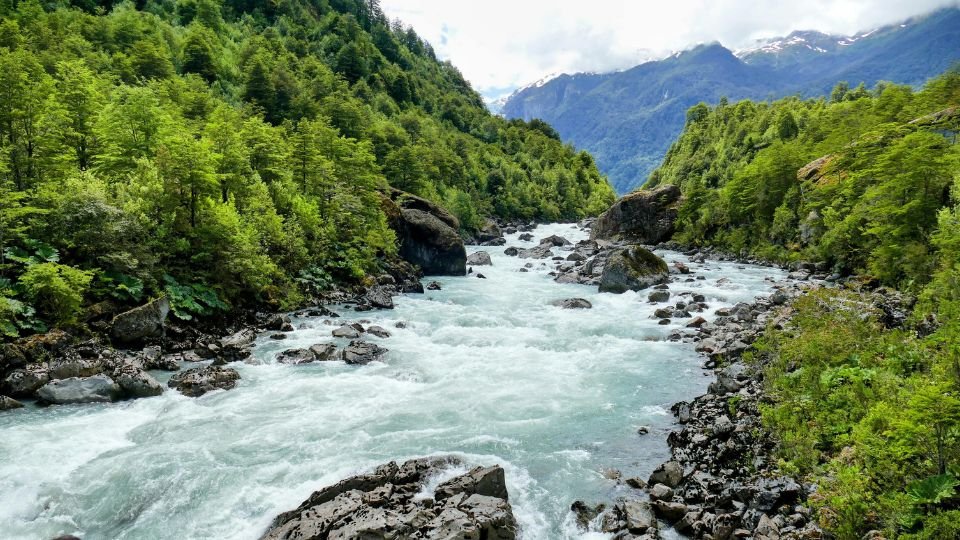
The Upper Gauley is the more demanding of the major rafting sections. NPS rates its rapids from Class III through V+, with steep drops, turbulent chutes, technical routes, and powerful features.
Some of its best-known rapids include:
- Pillow Rock
- Lost Paddle
- Iron Ring
- Sweet’s Falls
- Shipwreck
These rapids require strong teamwork, good boat control, and previous whitewater experience. NPS specifically states that the Upper Gauley requires experience and lists a minimum age of 16.
For this reason, first-time rafters should not assume that the Upper Gauley is an appropriate introduction to whitewater rafting. Discuss your experience, swimming ability, physical condition, and age with the outfitter before selecting a trip.
Lower Gauley: A Different Level of Challenge
The Lower Gauley provides another way to experience the river. It is approximately 12 miles long and is rated Class III to V by the National Park Service.
Although it is less demanding than the Upper Gauley, the Lower section still contains substantial whitewater. It should not be confused with a gentle recreational float.
The minimum age for Lower Gauley trips varies by trip and outfitter, with NPS listing a range of 12 to 14. Commercial outfitters can explain their specific requirements and help determine whether a particular trip is suitable for your group.
Is Gauley River Rafting Suitable for Beginners?
This is one of the most important questions to ask before planning a trip.
The answer depends on the section, the current water conditions, the participant’s abilities, and the trip operator. The Gauley is a challenging whitewater river, and NPS advises paddlers to select a river section that matches their skill level and to understand the risks involved.
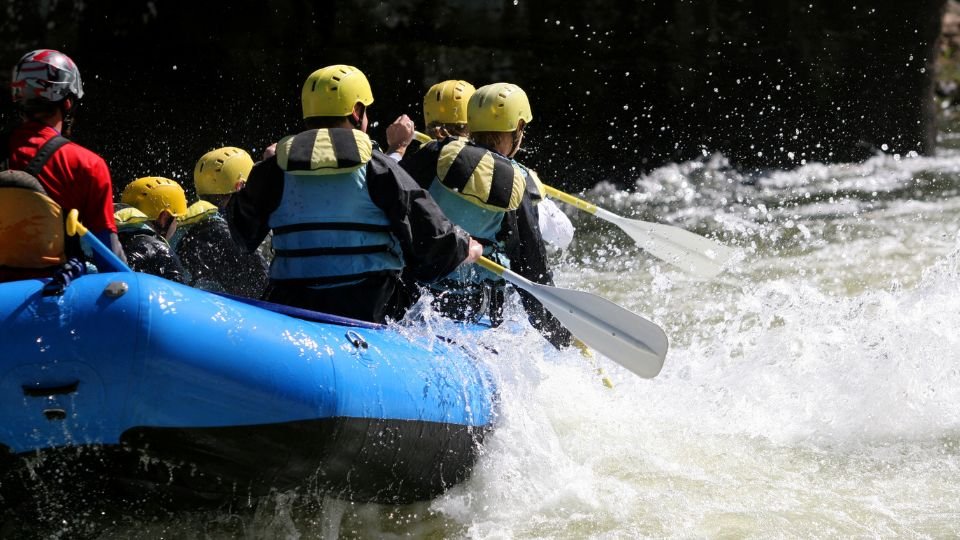
A beginner should not choose a Gauley trip simply because it is a famous rafting destination. A guided trip with a reputable outfitter can provide instruction, safety equipment, transportation, and experienced guides. NPS notes that commercial trips vary in length and difficulty and that trained guides and equipment are provided by licensed outfitters.
If you have little or no whitewater experience, ask an outfitter about less demanding alternatives before committing to a Gauley trip.
When Is the Best Time to Go?
The Gauley is particularly famous for its fall rafting season. Scheduled water releases from Summersville Dam provide the flows associated with the main Gauley season.
Because the release calendar can change from year to year, avoid relying on old articles or fixed dates found on travel websites. Check the latest National Park Service and U.S. Army Corps of Engineers information before making reservations.
For example, the National Park Service’s current 2026 boating notice lists the Gauley season from September 11 through October 17, 2026, while its whitewater page provides the associated release schedule.
This is a useful reminder that Gauley River rafting is highly seasonal, so advance planning matters.
Stay Overnight Near the Gauley River
A rafting adventure does not have to begin and end in the same day. Staying nearby can give you more time to enjoy the scenery and other outdoor activities.
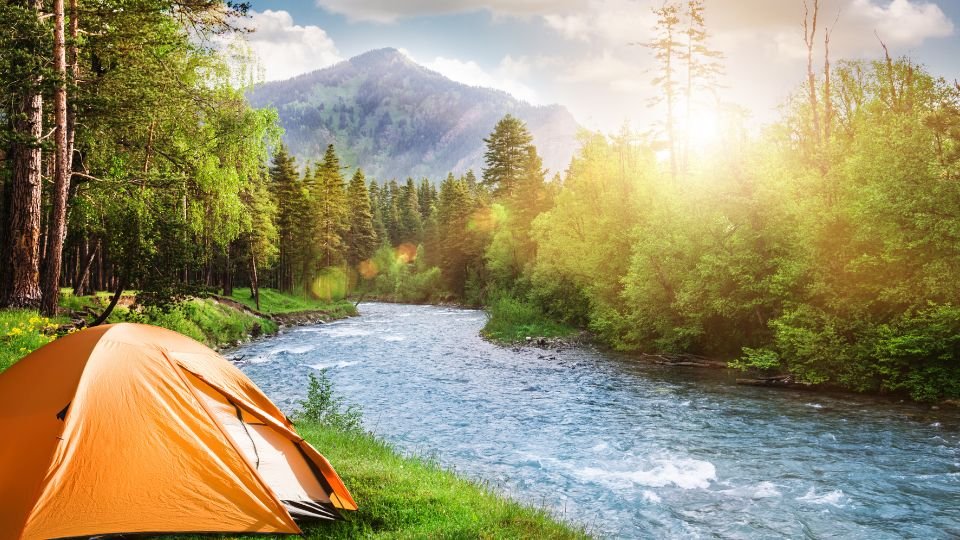
The National Park Service operates primitive camping at Gauley Tailwaters below Summersville Dam. The campground has 18 drive-in sites for tents and RVs. Backcountry camping is also permitted on federally owned lands in the recreation area unless otherwise posted, subject to specific rules.
There are also camping options around Summersville Lake, including facilities operated by the U.S. Army Corps of Engineers. Travelers who prefer hotels, restaurants, and other amenities can stay in nearby communities such as Summersville.
Always check campground conditions before travelling. Seasonal closures or operational changes can affect availability during busy periods.
More Than Whitewater Rafting
Although Gauley River rafting is the area’s biggest attraction, the recreation area offers other ways to enjoy the landscape.
Fishing
Fishing is a popular activity on the Gauley River. Anglers may find species such as trout, smallmouth bass, walleye, and muskellunge. Public access areas include Gauley Tailwaters, Mason’s Branch, and Woods Ferry, although access across private property requires permission from the landowner.
A valid West Virginia fishing license is required, and anglers should follow current state regulations and advisories.
Camping and Nature
The surrounding landscape includes forested slopes, river gorges, rocky cliffs, and diverse wildlife. NPS identifies a variety of plant and animal species in the area, including several rare and threatened species.
Nearby destinations also provide opportunities for hiking, camping, boating, fishing, and other outdoor activities. Summersville Lake and the New River Gorge region are natural additions to a longer West Virginia adventure.
Gauley River Rafting Safety Tips
Safety should be part of your trip planning from the beginning. The National Park Service describes the Gauley as a high-volume river with swift currents, deep holes, rocky bottoms, strong currents, and hydraulics. Conditions can change quickly.
Before heading onto the river:
- Wear a properly fitted personal flotation device whenever you are in or near the river.
- Choose a river section that matches your experience and ability.
- Follow instructions from your guide or trip leader.
- Check current river conditions and weather before departure.
- Never swim or boat alone.
- Wear sturdy footwear suitable for rocky river environments.
- Stay hydrated and protect yourself from sun exposure.
- Avoid alcohol during river activities.
- Know your put-in and take-out locations.
- Be prepared for cold-water exposure and hypothermia.
- Keep away from dangerous river hazards such as strainers, strong hydraulics, and unexpected obstacles.
NPS also advises paddlers to scout ahead when boating and to understand appropriate responses if a boat capsizes.
Respect the River and Its Neighbors
The Gauley River landscape includes both public and private property. Visitors should respect posted restrictions, private land, access rules, and local communities.
During the busy rafting season, roads, parking areas, and river access points can become crowded. The National Park Service’s 2026 boating notice specifically warns visitors about limited parking at some access points and emphasizes responsible conduct around other boaters and private property.
Good river etiquette also means packing out your trash, following camping regulations, and avoiding unnecessary disturbance to wildlife and natural resources.
Plan Your Gauley River Adventure Carefully
The Gauley River offers an experience that combines dramatic Appalachian scenery with serious whitewater. Its Upper and Lower sections provide different levels of challenge, while nearby camping, fishing, lakes, forests, and communities make it possible to build a complete outdoor getaway.
The most important thing to remember is that Gauley River rafting is not simply about finding the biggest rapids. It is about choosing the right trip for your experience, understanding the river conditions, listening to qualified guides, and preparing properly.
Before your visit, check the latest National Park Service information, annual water-release schedule, access conditions, campground status, and outfitter requirements. With the right preparation, you can enjoy the excitement of the Gauley while respecting the power of the river and the landscape around it.
A Note for First-Time Visitors
If this is your first whitewater adventure, talk openly with a licensed outfitter about your previous experience before booking. The Gauley has demanding whitewater, and the appropriate trip depends on the section, conditions, age requirements, and individual ability. The National Park Service provides current boating, safety, access, and seasonal information for visitors planning a Gauley trip.
