

Famous Houses in the Twin Cities: Historic Homes and Architectural Landmarks
Historic architecture, famous residents, and influential architects have given Minneapolis and St. Paul some remarkable homes. From grand Gilded Age mansions to innovative modern residences, the famous houses in the Twin Cities reflect different periods of American history and architecture.
The Twin Cities have experienced major economic and social changes since the late 19th century. Those changes helped shape their neighborhoods and residential architecture. Today, visitors can still see homes that represent the Victorian era, the Gilded Age, Prairie School design, and Frank Lloyd Wright’s Usonian architecture.
Some famous homes remain private residences. Others now welcome visitors through guided tours or special events. Here are several of the best-known houses that continue to attract attention in Minneapolis and St. Paul.
Mary Tyler Moore House in Minneapolis
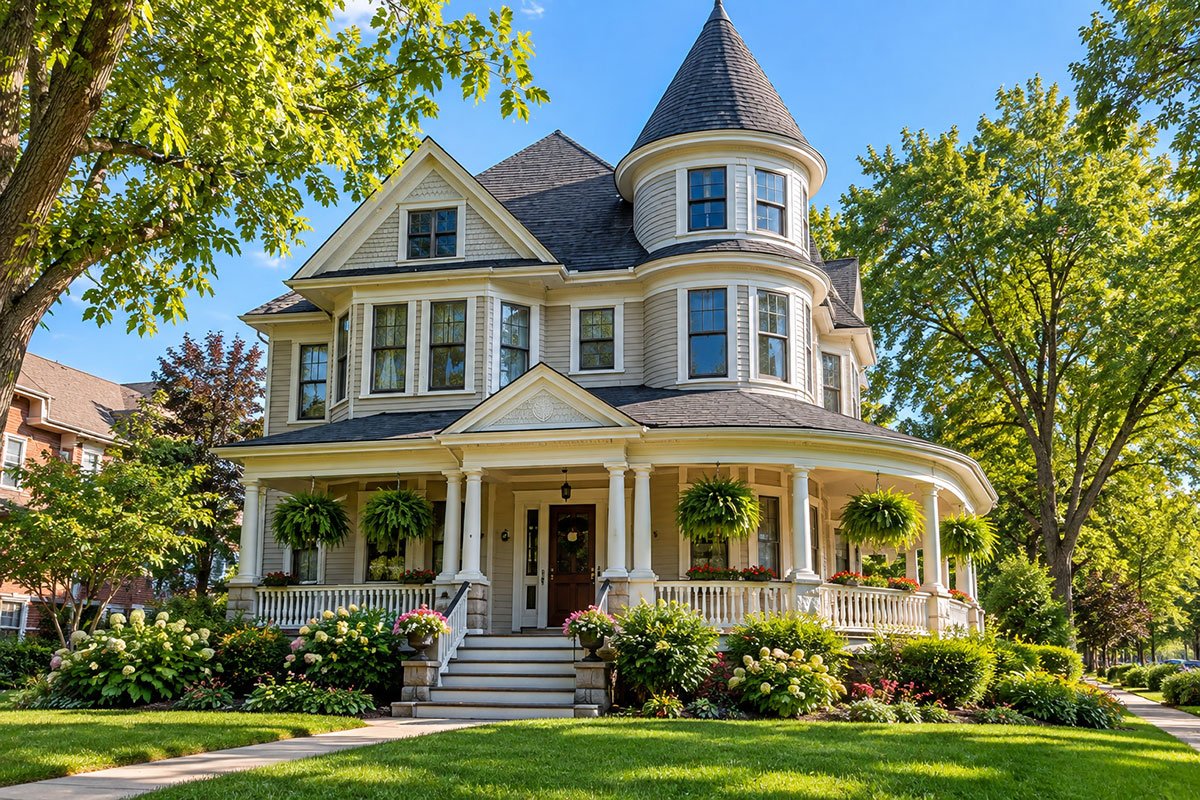
One of the most recognizable homes in Minneapolis is the Mary Tyler Moore House at 2104 Kenwood Parkway.
The house became famous after appearing in exterior shots of The Mary Tyler Moore Show, the popular television sitcom that ran from 1970 to 1977. In the series, the exterior represented the home of Mary Richards, the character played by Mary Tyler Moore.
The real house dates to 1892 and was designed by Minneapolis architect Edward Somerby Stebbins. Its Victorian appearance, sweeping porch, and distinctive upper-level turret helped make it an instantly recognizable television landmark.
The television show did not use the actual interior as Mary Richards’ apartment. Instead, the house mainly served as an exterior filming location. The Minneapolis tourism organization continues to identify 2104 Kenwood Parkway as one of the city’s notable Mary Tyler Moore locations.
What happened to the Mary Tyler Moore House?
The home’s real estate history has changed considerably since the original article was published in 2013.
In 2012, the property entered the market with an asking price of $2.895 million. It later sold in September 2017 for $1.45 million. Property records show another sale in 2019 for the same $1.45 million figure.
Today, the property has a different role. The current Moore House Minneapolis website describes it as a venue for events and vacation rentals and offers visits and tours by appointment. The property remains at 2104 Kenwood Parkway.
The changing status of the property makes it an interesting example of how a private historic home can become part of a city’s popular culture and tourism story.
James J. Hill House in St. Paul
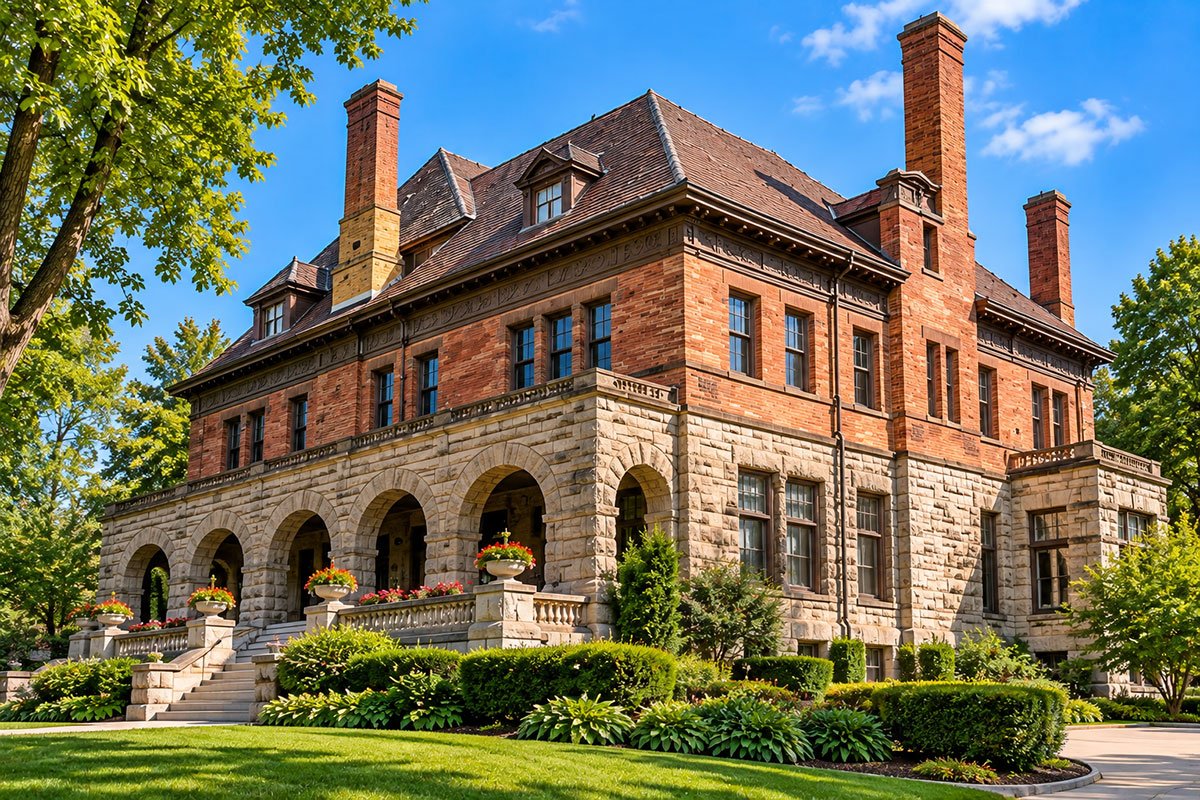
For grand historic architecture, few Twin Cities homes are as impressive as the James J. Hill House on Summit Avenue in St. Paul.
Railroad entrepreneur James J. Hill commissioned the mansion in the late 19th century. Completed in 1891, the house represented the wealth and ambition of Minnesota’s Gilded Age.
The Minnesota Historical Society describes the mansion as a 36,000-square-foot residence. Its features include 13 bathrooms, 22 fireplaces, 16 chandeliers, a nearly 100-foot reception hall, and a two-story skylit art gallery.
The house also demonstrates the technology and craftsmanship available to wealthy families during the period. Its original systems included central heating, gas and electric lighting, plumbing, ventilation, security, and communication systems.
Visiting the James J. Hill House
Unlike several famous private residences in Minneapolis, the James J. Hill House operates as a historic site. It is a National Historic Landmark and forms part of the Minnesota Historical Society’s historic-site network.
The house currently offers guided tours and other programs. The Minnesota Historical Society also offers special tours that explore areas not normally included in standard visits.
The surrounding Summit Avenue neighborhood adds another layer to the experience. Minnesota Historical Society walking tours explore the area’s Victorian mansions, architecture, social history, and preservation efforts.
For anyone interested in historic homes in St. Paul, the James J. Hill House remains an important architectural destination.
Malcolm and Nancy Willey House
Minneapolis is also home to important work by Frank Lloyd Wright, one of America’s most influential architects.
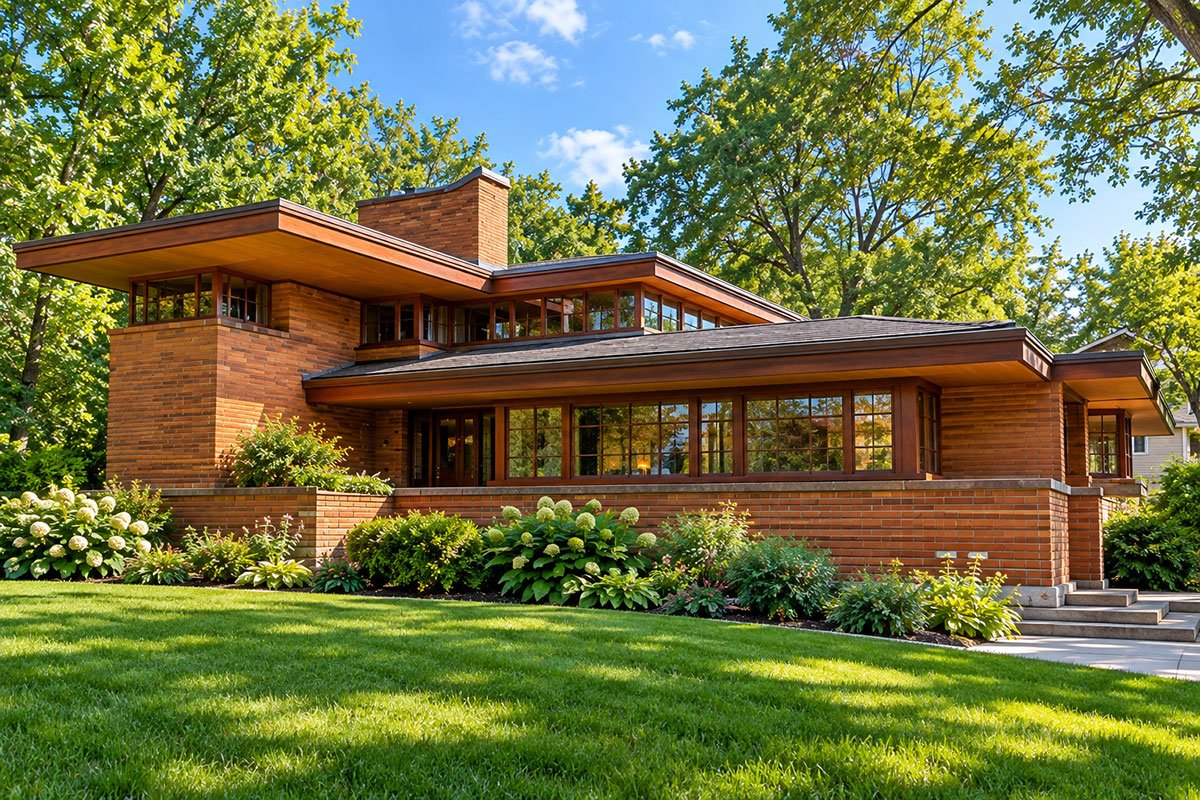
The Malcolm and Nancy Willey House was designed in 1934 for Malcolm and Nancy Willey. It stands at 255 Bedford Street SE in Minneapolis and remains privately owned. The Frank Lloyd Wright Foundation lists the property as available for group tours by appointment.
The house is particularly interesting because it reflects a transition in Wright’s residential design. The Frank Lloyd Wright Foundation describes it as an important project in which Wright responded to the needs and resources of a middle-class client.
Rather than relying on excessive ornament, the Willey House emphasizes a compact plan, functional spaces, natural materials, and strong connections between different areas of the home.
The house also represents an important moment in Wright’s career. Its design helped develop ideas that would become increasingly important in his later Usonian work.
The City of Minneapolis recognizes the Willey House as a historic landmark, while the property also appears in the National Register of Historic Places documentation for Hennepin County.
Frieda and Henry J. Neils House
The second major Frank Lloyd Wright residence in Minneapolis is the Frieda and Henry J. Neils House at 2801 Burnham Boulevard.
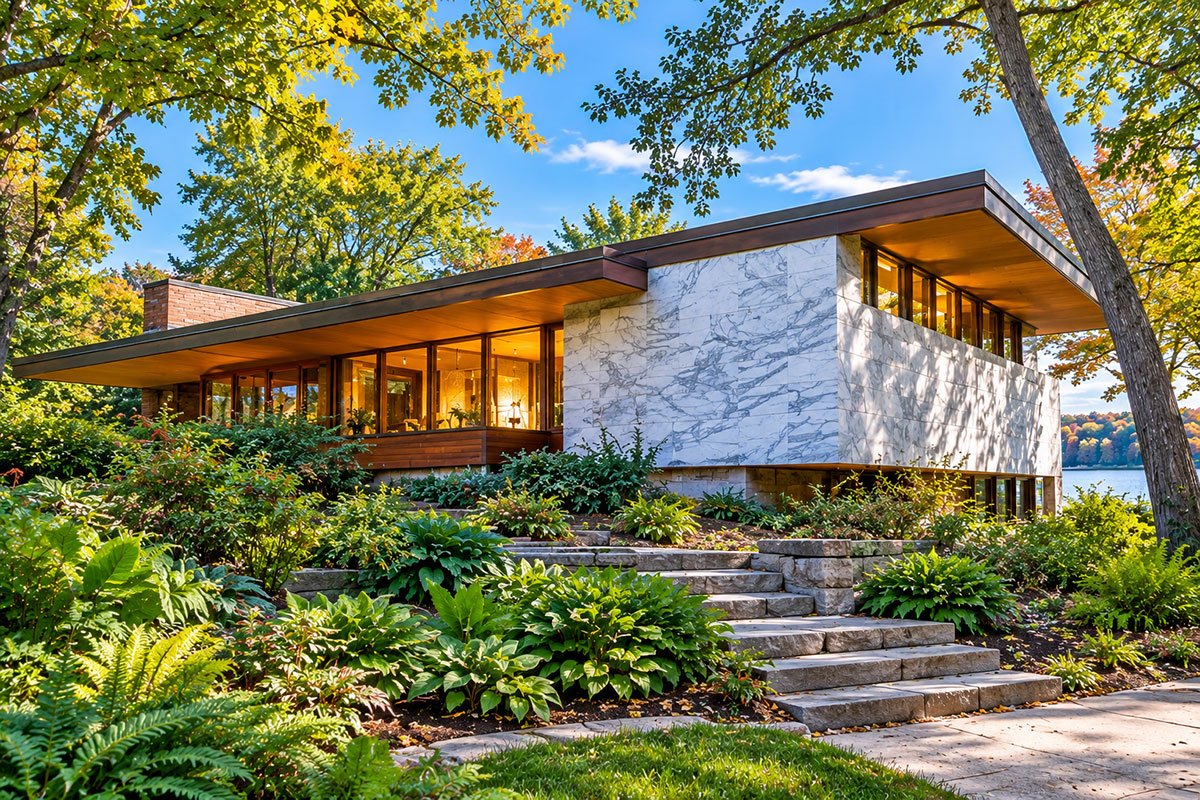
Designed in the late 1940s and completed in 1950–51, the home represents Wright’s post-World War II Usonian architecture. The City of Minneapolis identifies its architectural style as Usonian and lists its current use as residential.
The Neils House is especially notable because of its unusual materials.
Wright used marble walls, Western larch, and aluminum elements in the house. The National Register documentation identifies the residence as a distinctive example of Wright’s postwar Usonian work and notes its unique combination of materials.
The house also has an L-shaped plan that organizes its living spaces around different functions. Its design connects the interior with the Cedar Lake landscape, reflecting Wright’s broader approach to integrating architecture with its surroundings.
The City of Minneapolis designated the property as a local landmark in 1986. It was added to the National Register of Historic Places in 2004. The city’s historic-preservation information was updated in 2025 and confirms that the property remains residential.
The Frank Lloyd Wright Foundation has also documented the home’s architectural significance and its distinctive marble construction.
Because the Neils House remains privately owned, visitors should not expect regular public tours. Its exterior can be appreciated from public areas, but visitors should respect the privacy of the residents.
Why the Twin Cities Have Such Interesting Historic Houses
The famous houses in the Twin Cities represent more than beautiful architecture. Together, they tell the story of how Minneapolis and St. Paul developed.
The James J. Hill House represents the wealth and industrial expansion of the Gilded Age. The Mary Tyler Moore House demonstrates the cultural influence of television and popular media. The Willey House represents an important stage in Frank Lloyd Wright’s development of residential architecture. Meanwhile, the Neils House demonstrates how Wright adapted Usonian principles to unusual materials and a specific lakeside setting.
These homes also show how residential architecture changed over time.
Victorian houses often emphasized elaborate details and decorative elements. Gilded Age mansions demonstrated wealth through scale, craftsmanship, and technology. Later modernist houses placed greater emphasis on function, simplicity, natural materials, and connections to the surrounding landscape.
Exploring Famous Houses in the Twin Cities
If you enjoy architecture and history, Minneapolis and St. Paul offer plenty of opportunities to explore historic residential neighborhoods.
The Summit Avenue area in St. Paul is particularly important for historic architecture. Visitors can combine a visit to the James J. Hill House with a walking tour of the surrounding historic neighborhood.
In Minneapolis, locations connected with the Mary Tyler Moore Show provide a different way to explore the city. The 2104 Kenwood Parkway house remains one of the most recognizable television-related landmarks in the city.
Architecture enthusiasts can also learn about the two Frank Lloyd Wright homes in Minneapolis. The Willey House offers limited group tours by appointment, while the Neils House remains a private residence.
A Lasting Architectural Legacy
The Twin Cities’ historic houses demonstrate the remarkable variety of American residential architecture.
From a Victorian home made famous by television to an enormous Gilded Age mansion and two innovative Frank Lloyd Wright residences, these properties provide different perspectives on Minneapolis and St. Paul.
Their stories also continue to evolve. Some have become visitor attractions, some remain private homes, and others have gained additional significance through historic preservation.
For travelers, architecture enthusiasts, and anyone interested in Minnesota history, these famous houses in the Twin Cities offer an excellent way to understand the people, ideas, and architectural movements that helped shape the region.

1 comment
I loved the Mary Tyler Moore Show!