
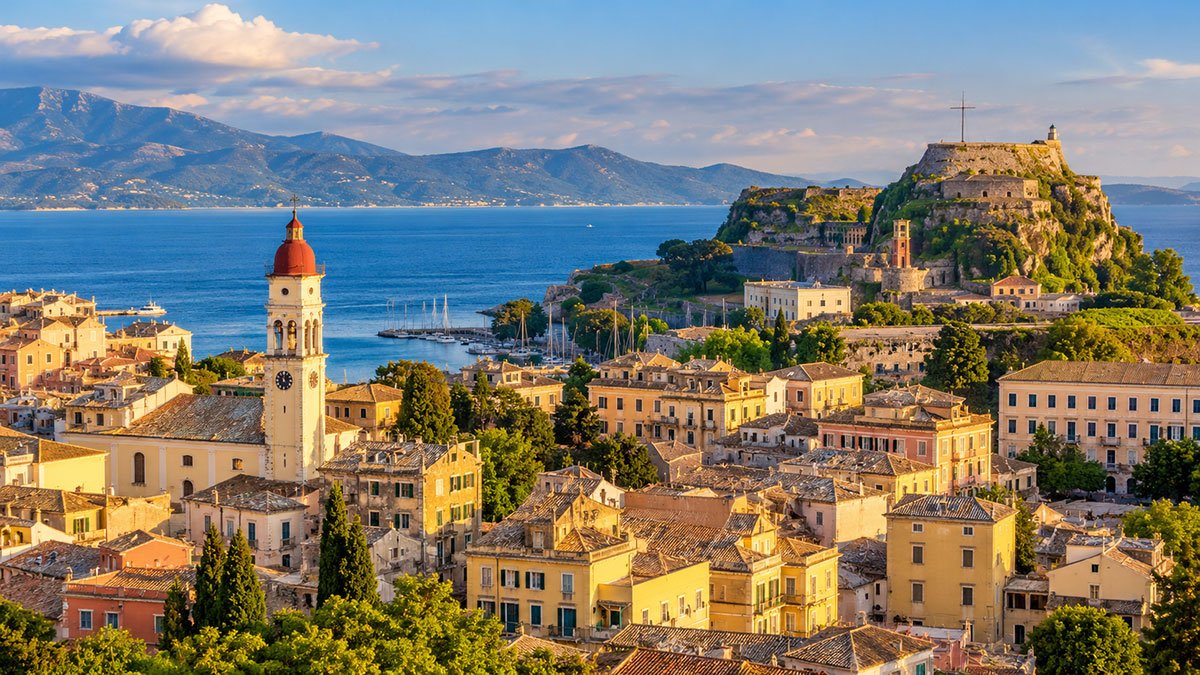
Corfu, Greece, combines historic architecture, Venetian-influenced fortifications and beautiful views across the Ionian Sea.
Corfu Greece Travel Guide: Best Sights, Beaches & Tips
Corfu is one of Greece’s most appealing island destinations, combining a historic harbour town, emerald-green hills, olive groves and a coastline dotted with sandy beaches and secluded coves. Located in the Ionian Sea, off the northwestern coast of Greece, the island offers a distinctive blend of Greek traditions and Venetian, French and British influences.
Whether you are planning a Mediterranean beach holiday, a cultural escape or a stop on a cruise itinerary, this Corfu Greece travel guide will help you make the most of your visit. Discover the island’s most memorable attractions, find a beach that suits your travel style, sample traditional Corfiot food and learn how to get around.
Why Visit Corfu, Greece?
Corfu, known locally as Kerkyra, stands apart from many other Greek islands because of its lush landscapes and layered history. Its hills are covered with olive trees and Mediterranean vegetation, while its coastline alternates between sandy stretches, white-pebble shores, rocky cliffs and sheltered bays.
The island’s cultural centrepiece is Corfu Old Town, a UNESCO World Heritage Site recognised for its historic urban landscape and fortifications. Narrow lanes, elegant buildings, traditional cafés and lively squares reveal the influence of the different powers that shaped the island.
Beyond the town, visitors can explore coastal villages, swim in clear waters, take boat trips and enjoy regional dishes that reflect the island’s distinctive culinary traditions.
Corfu suits a range of travellers, including couples, families, history enthusiasts, nature lovers and visitors looking for a balance between sightseeing and relaxation.
Best Things to Do in Corfu
1. Explore Corfu Old Town
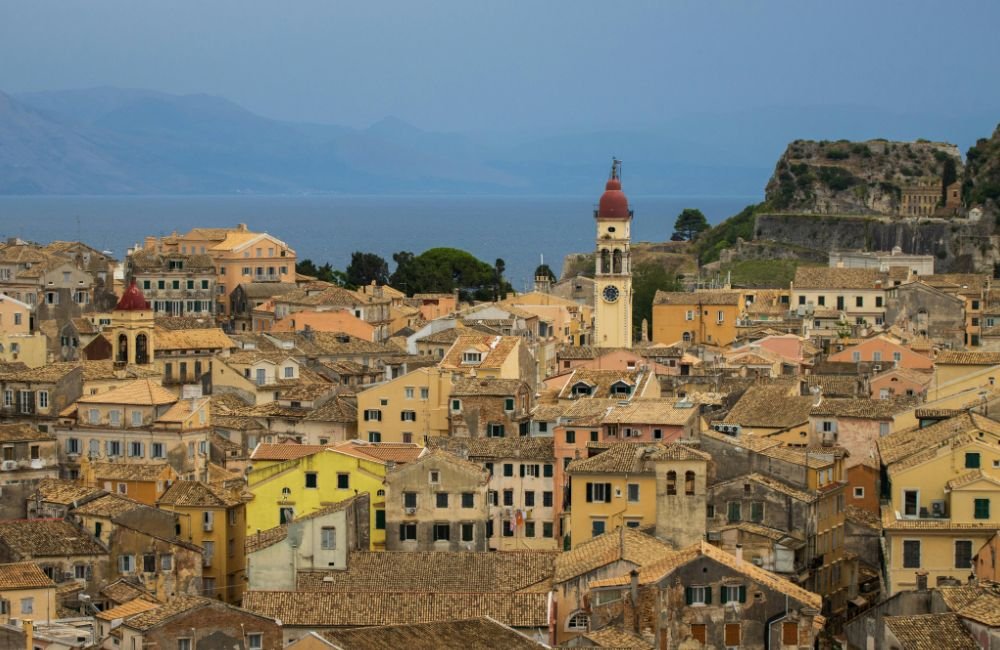
Begin your visit in Corfu Town, where centuries of history are visible in the streets, squares and architecture. The Old Town retains much of its historic character, with Venetian-style buildings, British-era landmarks and French-inspired public spaces.
Wander through the narrow lanes known locally as kantounia. These atmospheric streets lead past old churches, small shops, cafés and traditional houses. The best way to appreciate the area is to explore on foot, leaving time to discover the quieter corners away from the busiest thoroughfares.
Make your way to Spianada Square, one of the town’s principal public spaces, and stroll along the Liston Arcade. Its elegant arcades and cafés make it a pleasant place to pause for a coffee or watch daily life unfold.
Corfu Old Town is also an excellent place to start if your visit is limited to a single day.
2. Discover the Venetian Fortresses
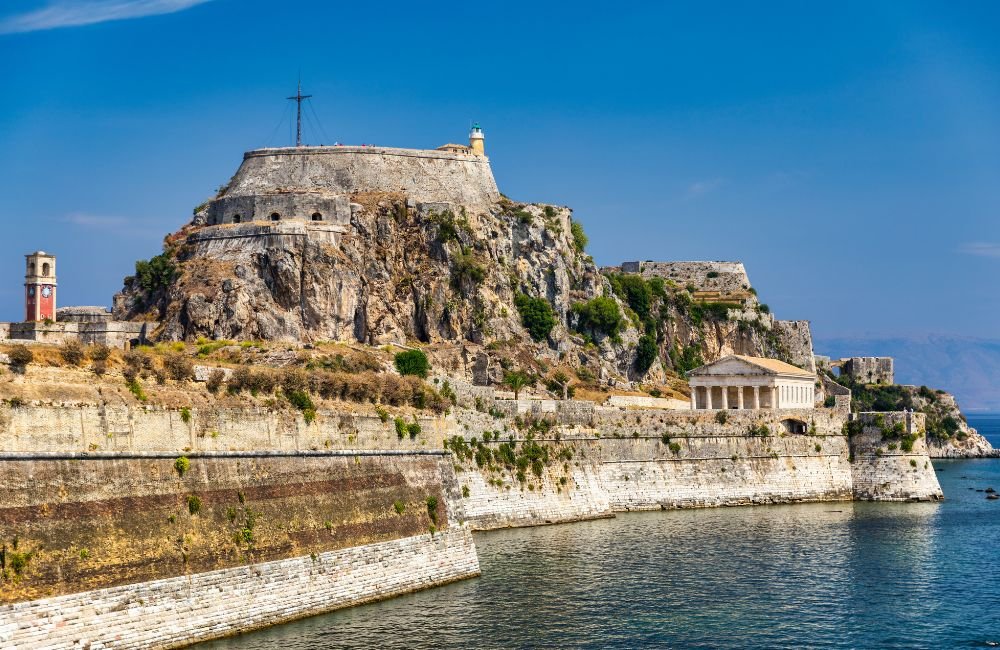
Corfu’s strategic position in the Ionian Sea made it important to successive powers, particularly the Venetians. Its fortifications remain among the island’s most recognisable landmarks.
The Old Fortress occupies a prominent position beside the historic centre. Visitors can explore its monumental setting and enjoy views over the town and surrounding sea, subject to access arrangements.
The New Fortress provides another perspective on Corfu’s defensive history and architecture. Allow time to explore the area around both fortresses, rather than treating them simply as photo stops.
Opening arrangements, admission requirements and access to individual areas can vary. Check the relevant official visitor information before planning your visit.
3. Visit the Palace of St Michael and St George
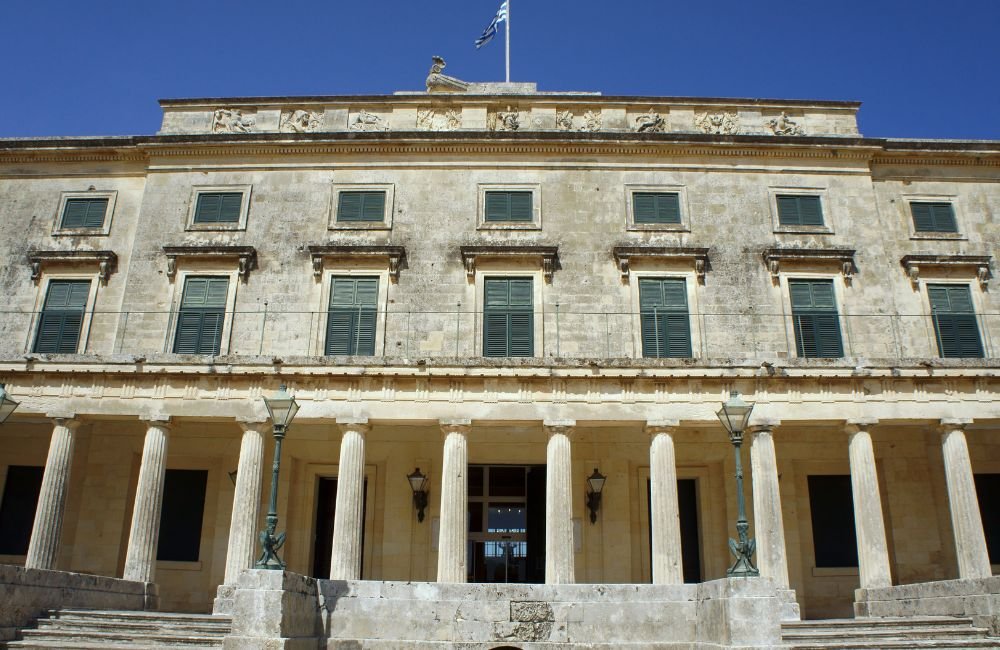
Near Spianada Square stands the Palace of St Michael and St George, an impressive neoclassical building dating from the period of British rule. Its grand exterior and architectural details offer a glimpse into Corfu’s nineteenth-century history.
The palace houses the Museum of Asian Art, an unusual attraction that distinguishes Corfu from many other Mediterranean island destinations. Its collection includes works from China, Japan, India, the Himalayas and Central Asia.
Even travellers who do not usually prioritise museums may find it a worthwhile addition to a walking tour of the Old Town.
The museum has seasonal opening hours and a published weekly closing day. Check its official website for current admission details and any changes to access before visiting.
4. Explore Achilleion Palace and Its Gardens
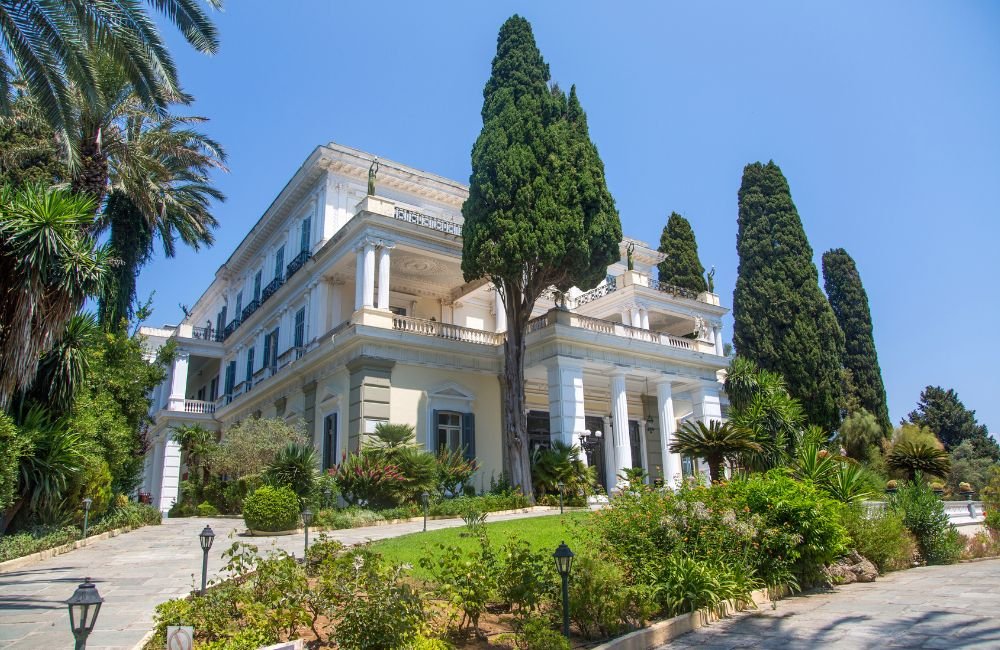
Achilleion Palace lies outside Corfu Town and is associated with Empress Elisabeth of Austria, often known as Sisi. The palace complex and gardens reflect the island’s connections with European royalty and nineteenth-century history.
The setting offers an alternative to the busy historic centre, particularly for visitors interested in architecture, landscaped grounds and cultural heritage.
Important planning note: The official Achilleion website currently states that restoration work means visitors can access the outdoor areas and Imperial Gardens only. Do not assume that the palace interiors are open. Check the official visitor information before arranging transport or buying a ticket.
5. Spend Time at Corfu’s Beaches
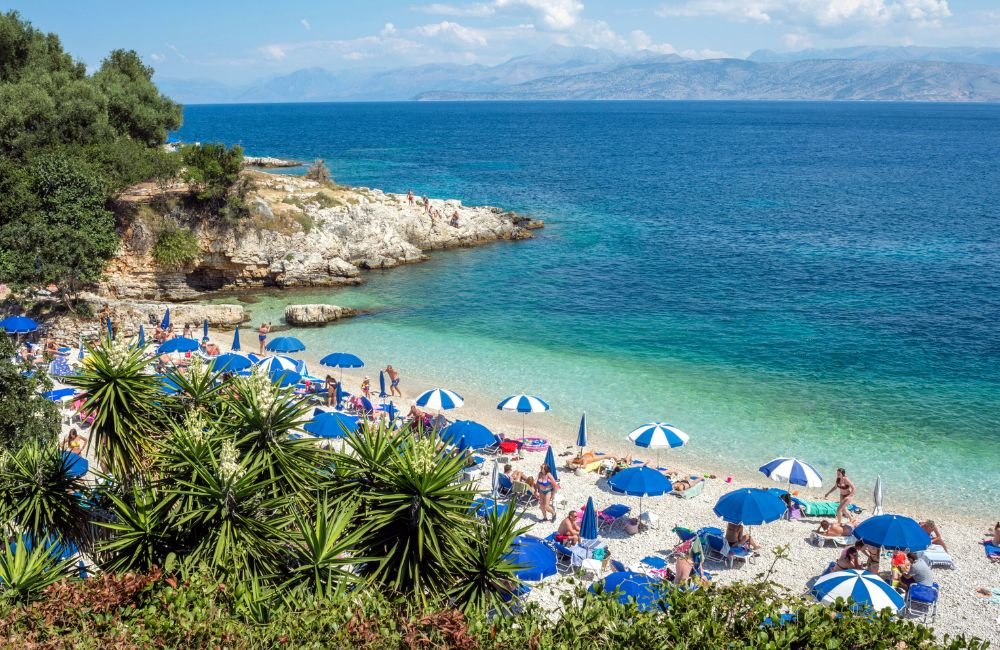
Corfu’s coastline is varied enough to suit different kinds of beach holidays. Some shores have organised facilities and easy access, while others are known for their natural scenery and more demanding approaches.
Here are several places to consider.
Paleokastritsa: Located on the western side of the island, Paleokastritsa is known for its coves, rocky formations, sea caves and clear blue-green water. It is a good choice for visitors interested in swimming, boat excursions and coastal scenery.
Glyfada Beach: This popular sandy beach is worth considering if you prefer a more organised seaside experience. Facilities and services may vary by season, so check what is available during your visit.
Issos and Chalikounas: These southern beaches are known for open landscapes, sand dunes and their proximity to Lake Korission. They offer a different atmosphere from the busier resort areas and are particularly appealing to travellers who enjoy natural surroundings.
Canal d’Amour, Sidari: On the northwestern coast, sandstone formations create an unusual coastal landscape around this well-known attraction. It is a good option for photography and exploring the surrounding resort area.
Myrtiotissa Beach: This scenic beach is framed by steep, green cliffs and is known as an unofficial naturist beach. Visitors should be aware that clothing-optional sunbathing is common there. Access also requires planning: the beach is away from the main road, and the approach is narrow. Follow local parking guidance and avoid taking a vehicle onto unsuitable sections of the access road.
Before swimming or snorkelling, pay attention to sea conditions, currents and any local warnings. Facilities, lifeguard coverage and water-sport services are not the same at every beach.
6. Discover Corfu’s Villages and Countryside
There is more to Corfu than its Old Town and major beach resorts. The island’s interior offers traditional settlements, rolling hills, olive groves and quieter roads that reveal a different side of local life.
Travelling beyond the main town can be especially rewarding for visitors who enjoy walking, photography or exploring at a slower pace.
You can also combine a village visit with a stop at a beach or a coastal viewpoint. However, distances across the island can take longer to cover than they appear on a map, especially on smaller roads. Avoid trying to fit too many distant locations into one day.
For travellers who want to explore independently, compare local bus services with the flexibility of hiring a car or arranging a taxi.
What to Eat in Corfu
Corfiot cuisine reflects the island’s agricultural traditions and the influence of the different cultures that settled or governed here. Eating locally is a useful way to experience that history beyond its monuments.
Look for these traditional specialities:
- Pastitsada: A richly flavoured meat dish, commonly prepared with rooster or beef in a spiced tomato sauce and served with pasta.
- Sofrito: Thin slices of beef cooked with garlic, parsley and white wine, usually served with a side dish such as rice or potatoes.
- Bourdeto: A spicy fish stew associated with Corfu’s coastal food traditions.
- Kumquat products: Corfu is particularly known for its kumquat fruit, which is used in liqueurs, preserves, sweets and other local products.
- Mandolato and mandoles: Traditional sweets, including soft nougat and caramelised almonds.
- Noumboulo: A local smoked pork speciality often enjoyed as part of a starter or shared platter.
Traditional tavernas can be found in the Old Town, villages and seaside settlements. Rather than choosing a restaurant solely for its location, look at the menu and see whether it includes regional dishes.
Kumquat products also make distinctive souvenirs. If you plan to bring food or drink home, check the relevant customs and baggage rules for your destination.
How to Get to Corfu
By Air
Corfu International Airport (CFU) receives domestic flights and seasonal international services. Flight availability varies according to the departure city and time of year.
Check current schedules before choosing travel dates, particularly if you plan to visit outside the main tourist season.
By Ferry
Ferries connect Corfu with Igoumenitsa on mainland Greece. Services also operate to Lefkimmi, a port in the southern part of the island, depending on the route and operator.
Ferry schedules, departure times and crossing arrangements vary by season. If you are travelling with a vehicle, check the operator’s booking conditions and allow sufficient time for boarding.
For a land-based journey through Greece, a ferry crossing can be a practical way to include Corfu in a wider mainland itinerary.
Getting Around Corfu
Your best transport option depends on where you are staying and how much of the island you plan to explore.
Corfu Town: The historic centre is best explored on foot. Wear comfortable shoes because the streets can be narrow, uneven and paved with stone.
City buses: Corfu’s urban bus network connects the airport and port with the town and other local destinations. Route 15 serves the airport and port connection. Timetables can change, so consult the official operator’s current information rather than relying on an old schedule.
Intercity buses: The island’s intercity bus network serves destinations beyond Corfu Town. Check route-specific timetables carefully, especially if you want to visit beaches or villages that are not served frequently.
Car hire and taxis: A rental car can offer greater flexibility when visiting several distant beaches or rural areas. However, narrow roads and limited parking can make some locations challenging. A taxi or organised excursion may be more convenient for a single destination.
If you are arriving by cruise ship, check the port-to-town transport arrangements and allow a generous return margin before your ship’s departure. A day ashore is usually better spent exploring Corfu Town thoroughly than attempting to cross the island and visit several beaches.
When Is the Best Time to Visit Corfu?
The best time to visit depends on whether your priority is swimming, sightseeing, local festivities or a quieter holiday.
May and June: Late spring and early summer are appealing for exploring the historic centre, walking in the countryside and visiting beaches before the busiest part of the summer season. Sea temperatures can still feel cool to some swimmers, particularly earlier in the season.
July and August: These are typically the busiest summer months. Expect greater demand at popular beaches and resorts, and plan ahead for accommodation, transport and popular excursions.
September and October: Early autumn is a strong option for travellers who want to combine sightseeing with beach time. Conditions vary, but the sea may remain inviting after the summer while visitor numbers begin to ease.
Winter and early spring: Corfu is generally quieter outside the main holiday season, but wetter weather and reduced seasonal services can affect travel plans. Check accommodation, transport and attraction availability before booking.
Corfu’s Easter celebrations are another reason to consider a spring visit. Festivities and public events can make the town especially lively, but dates vary with the Orthodox Easter calendar. Book early if your trip coincides with the celebrations.
How Many Days Should You Spend in Corfu?
The right length of stay depends on whether you want a focused city visit or a broader island holiday.
One day: Concentrate on Corfu Old Town, Spianada Square, the Liston Arcade and one major historical attraction. Leave time for a traditional meal rather than trying to visit a distant beach as well.
Three days: Spend one day in Corfu Town, dedicate another to a coastal area such as Paleokastritsa, and use the third to explore a different beach, village or part of the countryside.
Four to five days or longer: A longer stay allows more flexibility for beach-hopping, village visits, boat trips and relaxed meals. It also gives you more room to adapt your plans to weather and transport schedules.
These are suggested itineraries rather than fixed rules. If you prefer a relaxed holiday, choose fewer stops and give yourself time to enjoy each place.
Practical Travel Tips for Corfu
A little preparation will make exploring Corfu more comfortable.
- Wear suitable footwear. The Old Town has uneven streets, while some beaches have rocky approaches or steep paths.
- Check attraction access in advance. Museum schedules, restoration work and seasonal opening arrangements can affect sightseeing plans.
- Plan beach transport carefully. Some beaches are easy to reach by local bus, while remote coves may require a car, taxi or walk.
- Book popular summer travel early. Accommodation, flights, ferries and excursions can be in greater demand during July and August.
- Leave time between activities. A route that appears short on a map may take longer because of winding roads, traffic or parking.
- Respect the environment. Take rubbish with you, follow local access instructions and avoid disturbing wildlife or fragile coastal habitats.
- Check your return arrangements. This is particularly important for cruise passengers, ferry connections and travellers using infrequent bus services.
Is Corfu Worth Visiting?
Corfu offers more than a traditional beach holiday. Its historic centre, Venetian fortifications, distinctive food and varied coastline create opportunities for cultural discovery as well as time by the sea.
A well-planned trip can combine the atmosphere of Corfu Town with a few carefully chosen beaches and excursions into the countryside. Whether you have a single day ashore or several days to explore, focus on the experiences that suit your interests rather than trying to see everything at once.
With practical planning and enough time to slow down, Corfu makes a rewarding destination for a Greek island holiday.
