
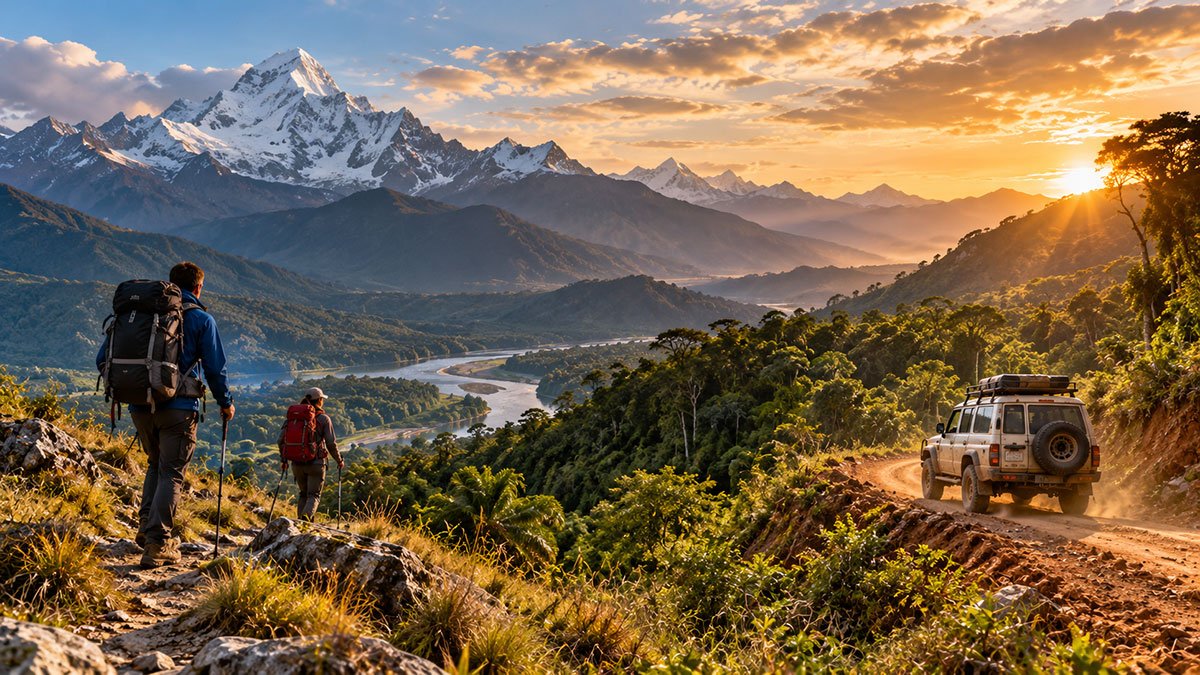
Adventure holidays combine outdoor challenges with extraordinary landscapes, remote journeys and authentic travel experiences.
Best Adventure Holidays: Challenging Expeditions Around the World
Adventure holidays are no longer limited to extreme mountaineering or high-risk sports. Today, travelers can choose from a wide range of active experiences, from multi-day trekking and mountain biking to remote road trips, rainforest exploration and ziplining through tropical forests.
The best adventure holidays combine physical activity with a strong sense of place. You might drive across Australia’s remote landscapes, cycle through the Andes, explore Ecuador’s Amazon by canoe, pedal between Cambodia’s ancient temples or fly through the forest canopy near Chiang Mai.
The level of challenge can vary considerably. Some trips suit beginners, while others require specialist skills, previous experience and professional guides.
The key is to choose an adventure that matches your fitness, experience, destination conditions and appetite for remote travel.
What Makes a Great Adventure Holiday?
A good adventure holiday should offer more than adrenaline.
The strongest trips combine an active experience with scenery, culture, wildlife or history. They also give travelers enough time to appreciate the destination rather than rushing from one activity to another.
Adventure travel can include:
- Trekking and hiking
- Mountain biking
- 4WD and overland journeys
- Rafting and kayaking
- Jungle and rainforest exploration
- Ziplining and canopy activities
- Mountaineering
- Diving and snorkeling
- Wildlife expeditions
- Multi-day camping trips
Not every adventure needs to be extreme.
A guided rainforest hike may be more rewarding than a dangerous solo expedition, while a carefully planned 4WD road trip can provide just as much excitement as a technical climbing route.
Australian Outback 4WD Adventures
Few destinations offer a stronger sense of remoteness than the Australian Outback.
Its huge distances, rugged landscapes, desert environments and remote tracks make it especially appealing to travelers who enjoy road-based adventure.
You do not need a 4WD for every Outback journey. Many major routes are sealed and suitable for conventional cars or campervans. However, a properly equipped 4WD becomes important when travelers want to tackle remote dirt tracks and more challenging routes.
Gibb River Road
Western Australia’s Gibb River Road is one of Australia’s classic 4WD adventures.
The route crosses the Kimberley, passing dramatic gorges, cattle stations and remote wilderness. It is a serious road trip rather than a casual drive, with limited fuel stops and seasonal access.
Tourism Australia currently describes the Gibb River Road as a 12-day, 1,192-kilometre adventure and notes that the track is generally accessible between April and October.
Conditions can change quickly, so travelers should check road conditions before departure and carry sufficient water, fuel and essential supplies.
Simpson Desert
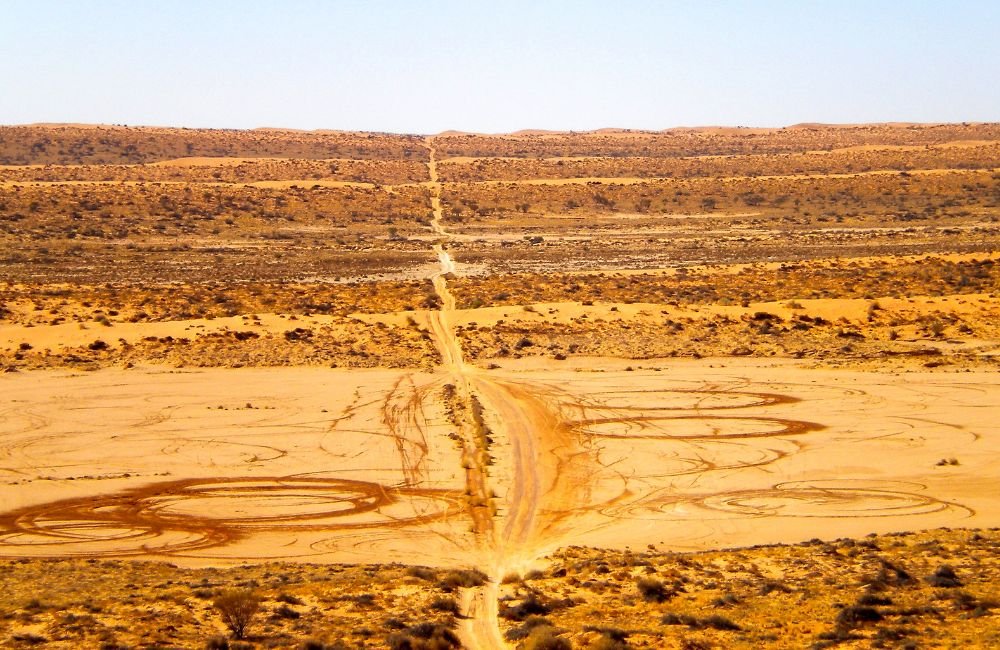
The Simpson Desert provides another demanding 4WD experience.
Its remote sandy terrain requires careful preparation, suitable equipment and an understanding of desert driving.
A desert expedition should never be approached like an ordinary road trip. Weather, road conditions, isolation and breakdown risks can turn a minor problem into a serious emergency.
For less experienced travelers, a guided expedition can be a much safer way to experience Australia’s remote interior.
Best for: 4WD enthusiasts, photographers, road trippers and experienced outdoor travelers.
Ecuador Rainforest Adventures
Ecuador packs remarkable geographical diversity into a relatively compact country.
Travelers can move from the Andes to the Amazon and experience completely different environments within the same trip.
The Ecuadorian Amazon is particularly suitable for travelers who want a combination of rainforest, wildlife, waterways and cultural experiences.
Explore the Amazon by Canoe and on Foot
Official tourism information highlights canoe journeys and guided rainforest walks as ways to explore Ecuador’s Amazon region.
Destinations such as Yasuní, Cuyabeno and the area around Tena provide opportunities for wildlife observation and jungle experiences.
Rather than treating the rainforest as a place to conquer, the most rewarding trips are usually guided journeys focused on understanding the ecosystem.
Travelers may encounter birds, monkeys, insects and other wildlife while moving through waterways and forest trails.
Some experiences also connect visitors with Indigenous communities and local knowledge.
Combine Adventure With the Andes
Ecuador is especially attractive for travelers who want more than jungle exploration.
The country’s official tourism program also promotes trekking, mountaineering, rafting, canyoning, paragliding and cycling.
That makes it possible to create an itinerary around several different adventure styles.
Best for: Jungle travel, wildlife, trekking, rafting, cycling and active multi-region trips.
Cycling Adventures in Peru
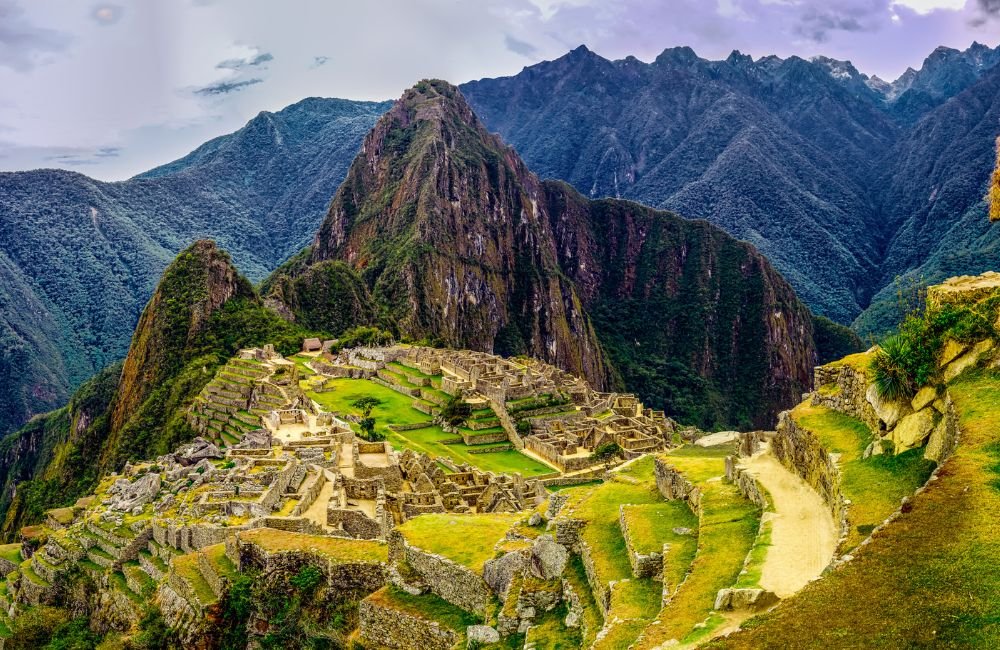
Peru is one of South America’s strongest destinations for active travel.
Its combination of high mountains, deep valleys, historic sites and dramatic terrain creates excellent opportunities for cycling and trekking.
Mountain Biking in the Andes
Mountain biking around the Andes can provide an intense way to experience Peru’s landscapes.
Arequipa, for example, offers mountain biking routes around the slopes of Misti, Pichu Pichu and Chachani. The wider region also provides opportunities for trekking, climbing and rafting.
Cycling at altitude is very different from riding at sea level.
Altitude can affect endurance, recovery and overall comfort, even for fit travelers. Anyone heading into high mountain regions should allow time for acclimatization and avoid increasing altitude too quickly.
Go Beyond the Bike
Peru’s adventure appeal extends far beyond cycling.
Travelers can combine a riding itinerary with trekking, archaeological sites, canyon landscapes and cultural experiences.
For a first trip, concentrating on one region is generally more practical than attempting to cover the Andes, Amazon and coast in a single rushed itinerary.
Best for: Mountain bikers, trekkers, photographers, history enthusiasts and active travelers.

Cycle Through Cambodia’s Ancient Landscapes
Cambodia offers a fascinating combination of cultural exploration and active travel.
The temples of Angkor are the centerpiece of many visits to Siem Reap, but travelers do not have to experience them only from a tour vehicle.
Cycling is an established way to explore the Angkor Archaeological Park and surrounding countryside.
Discover Angkor by Bicycle
Cycling allows visitors to slow down and experience the landscape around the temples.
Routes can combine major monuments such as Angkor Wat, Ta Prohm and Angkor Thom with quieter stretches of countryside.
The physical challenge is generally moderate rather than extreme. Heat and humidity, however, can make a cycling day more demanding than the distance suggests.
Start early, carry sufficient water and allow time to rest.
Angkor is also a sacred heritage site, so visitors should follow local rules on clothing, behavior, restricted areas and photography.
The official Angkor authorities also confirm that bicycles can be used to navigate the park.
Why This Adventure Works
The appeal here comes from combining physical activity with history.
Instead of simply moving between monuments, travelers experience the roads, vegetation, villages and surrounding landscape along the way.
Best for: Cultural travelers, cyclists, photographers and travelers seeking a moderate active holiday.
Jungle Ziplining in Chiang Mai, Thailand
Northern Thailand is well suited to travelers who want a relatively accessible introduction to adventure activities.
Chiang Mai’s mountainous surroundings provide opportunities for hiking, canopy experiences and outdoor activities.
Ziplining is one of the region’s better-known adventure options, with commercial adventure parks operating around the forests outside the city.
The Tourism Authority of Thailand currently lists Eagle Track Zipline among Chiang Mai’s outdoor and adventure attractions.
What to Expect
A typical canopy adventure can combine zip lines with elevated platforms, forest views and other aerial elements.
These experiences are generally much easier to fit into a holiday than a multi-day expedition.
That makes Chiang Mai particularly attractive to travelers who want to add an adrenaline activity to a broader Thailand itinerary.
Choose a properly established operator and check age, weight, weather and equipment requirements before booking.
Thailand’s general travel conditions can vary by region, so travelers should also check current official advice before departure.
Best for: First-time adventure travelers, families, couples and travelers combining city and outdoor activities.
Remote Expedition Travel in the Darién
The Darién is one of the world’s most remote wilderness areas and remains an extraordinary destination from a conservation perspective.
Darién National Park contains coastal, mangrove, wetland, lowland rainforest and mountain ecosystems. It is also a UNESCO World Heritage site.
However, this is where adventure travel requires a clear distinction between remote expedition travel and ordinary tourism.
The Darién is not a destination where independent hiking should be casually recommended.
Security concerns are significant in parts of the region, particularly close to the Colombia border. Current official travel advice recommends organized travel in specified eastern areas and warns of risks associated with armed groups, violent crime and other dangers.
The Colombia-Panama land crossing through the Darién Gap should not be treated as a conventional trekking route.
Who Should Consider It?
Only travelers with strong expedition experience, appropriate local support and carefully organized logistics should consider remote travel in this region.
For most readers, there are safer ways to experience tropical wilderness elsewhere in Central and South America.
Best for: Specialist expedition travelers working with experienced local operators.
Other Adventure Destinations Worth Considering
The destinations above are based on the activities featured in the original article, but today’s adventure traveler has many other options.
South Africa for Safari and Active Travel
South Africa can combine wildlife, hiking, cycling, road trips and coastal adventures in one itinerary.
This flexibility makes it one of the strongest choices for travelers who want adventure without committing to a highly remote expedition.
Cape Town works particularly well as a base for combining outdoor activities with food, culture and sightseeing.
Tanzania for Trekking and Safari
Travelers can combine wildlife viewing with a major trekking objective such as Mount Kilimanjaro.
This is a very different type of adventure from a jungle zipline or road trip. High-altitude trekking requires acclimatization, suitable equipment and experienced support.
Nepal for High-Altitude Trekking
Nepal remains one of the world’s classic trekking destinations.
Routes range from relatively accessible mountain walks to demanding high-altitude expeditions.
The important consideration is not simply fitness. Altitude, weather, terrain and acclimatization can determine whether a trek is enjoyable or dangerous.
Costa Rica for Rainforest and Adventure Activities
Costa Rica is another strong option for travelers who want adventure without sacrificing accessibility.
Rainforest hiking, ziplining, wildlife experiences, rafting and other outdoor activities can be combined into a varied itinerary.
How to Choose the Right Adventure Holiday
The most important question is not where you want to go.
It is how challenging you want the trip to be.
Beginner-Level Adventure
Good choices include:
- Guided canopy or zipline experiences
- Short jungle hikes
- Easy cycling tours
- Wildlife-focused excursions
- Guided kayaking
- Accessible hiking routes
These are suitable for travelers who want activity without a major physical commitment.
Moderate Adventure
Consider:
- Multi-day cycling
- Longer rainforest treks
- 4WD tours
- Mountain hiking
- Whitewater rafting
- Multi-day camping
These trips require reasonable fitness and preparation but do not necessarily require specialist expedition experience.
Advanced Adventure
More demanding trips may involve:
- High-altitude trekking
- Technical mountaineering
- Remote desert crossings
- Difficult mountain biking
- Long wilderness expeditions
- Remote jungle travel
These experiences require appropriate skills, equipment and professional support.
Safety Should Be Part of the Adventure
An adventure holiday should push your limits without ignoring them.
Adventure travel often involves difficult terrain, extreme temperatures, remote locations, physical exertion and limited access to medical facilities.
Before booking, consider:
Check Your Experience
Do not book an advanced expedition simply because the destination looks spectacular.
A beginner should not attempt a technically demanding climbing route without proper training.
For challenging activities, guided trips can provide instruction, route knowledge and emergency support.
Research the Exact Route
A country’s general safety situation does not tell you everything you need to know.
Conditions can differ dramatically between cities, national parks, remote border regions and individual trails.
Check the exact destination, road, park or route before departure.
Check Weather and Seasonal Conditions
Extreme heat, heavy rain, storms, flooding and snow can transform an adventure route.
This is particularly important for:
- Australian desert roads
- Mountain trekking routes
- Rainforest journeys
- River activities
- Remote 4WD tracks
Carry Appropriate Insurance
Standard travel insurance may not cover every adventure activity.
Check whether your policy covers the activities, altitude, countries and remote locations included in your itinerary.
For expedition-style travel, evacuation coverage can be particularly important.
Altitude Deserves Special Attention
Several classic adventure destinations reach significant elevations.
Peru and Nepal are obvious examples, but high-altitude travel can be physically demanding even for otherwise fit travelers.
The CDC recommends gradual acclimatization and warns travelers against ascending too quickly.
Once above about 3,000 metres, a common recommendation is to limit increases in sleeping altitude to around 500 metres per day while allowing additional acclimatization time.
Symptoms such as headache, dizziness, nausea and unusual fatigue should not simply be ignored.
The safest response to worsening altitude illness is descent.
What to Pack for an Adventure Holiday
Your equipment should match the environment rather than the destination’s reputation.
For trekking
Consider:
- Proper hiking footwear
- Moisture-managing clothing
- Lightweight layers
- Rain protection
- Sun protection
- Water storage
- Headlamp
- Small first-aid kit
- Navigation equipment
For 4WD adventures
Consider:
- Extra water
- Food supplies
- Navigation equipment
- Emergency communication
- Recovery equipment
- Spare tire and vehicle essentials
- Appropriate fuel planning
Remote Australian travel requires particular care because help can be far away.
For rainforest adventures
Useful equipment can include:
- Lightweight quick-drying clothing
- Waterproof bags
- Insect protection
- Comfortable hiking footwear
- Sun protection
- Reusable water bottle
- Small daypack
Do not overpack. A heavy bag can become a significant burden during long walks.
When Should You Book an Adventure Holiday?
Timing depends on the destination.
Seasonal conditions can determine whether a route is open, whether roads are passable or whether an outdoor activity is enjoyable.
For example, Tourism Australia identifies the cooler months as the preferred period for many arid and semi-arid Outback areas, while northern tropical areas have different seasonal patterns.
The Gibb River Road has a defined seasonal access period, while other remote tracks can also be affected by rain and road closures.
Mountain destinations present a different challenge because trekking seasons are often determined by snow and weather.
Always check the destination’s official tourism or park information close to your travel date.
Responsible Adventure Travel
Adventure travel often takes visitors into fragile environments and communities that depend on natural resources.
Responsible travelers should:
- Stay on designated routes
- Follow park regulations
- Avoid disturbing wildlife
- Never feed wild animals
- Respect local communities
- Ask before photographing people
- Use licensed guides where appropriate
- Carry waste out of remote areas
- Avoid damaging plants or archaeological sites
- Support responsible local businesses
In heritage destinations such as Angkor, responsible behavior also helps protect fragile monuments for future generations.
Adventure Holidays Should Match the Traveler
The most memorable adventure is not necessarily the most dangerous one.
A well-planned cycling trip through Peru can be more rewarding than an extreme expedition. A guided Australian Outback journey can deliver a stronger sense of exploration than an unsafe solo drive. A rainforest canoe trip can provide a deeper connection with nature than a packed schedule of tourist attractions.
The best adventure holidays balance challenge, discovery and preparation.
Whether you want to cycle through the Andes, drive across the Australian wilderness, explore Ecuador’s Amazon, discover Angkor by bicycle or fly through the forests of northern Thailand, choose an experience that matches your ability and interests.
With the right preparation, an active holiday can become much more than a break from everyday life. It can become a journey that changes how you experience a destination.
