
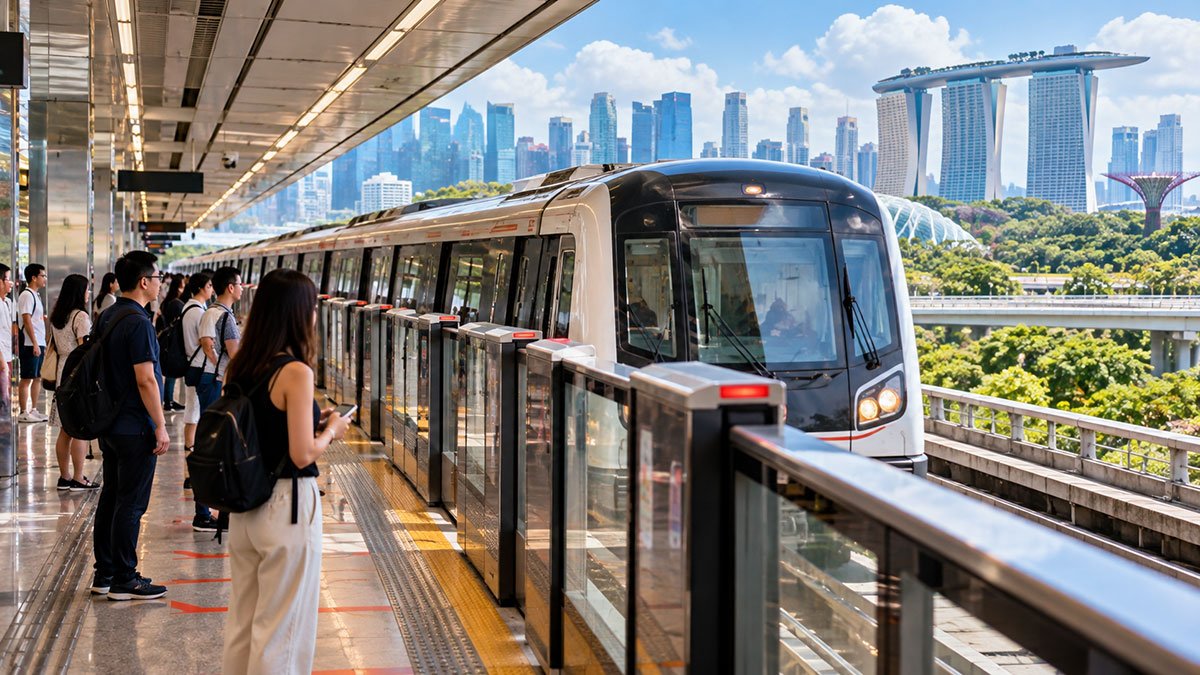
Explore Singapore using its public transport network, with MRT trains, buses and walking routes offering alternatives to taxis.
How to Travel Around Singapore Without a Taxi
You do not need a taxi to explore Singapore. The city-state has an extensive public transport network, and the combination of the MRT, public buses and walking makes it practical to visit major attractions, shopping districts and cultural neighbourhoods independently.
Learning how to travel around Singapore without a taxi can also help you manage your holiday budget. You can use the MRT for longer journeys, take buses to places that are less convenient to reach by train, and explore nearby attractions on foot.
The key is to plan each journey around your accommodation and the places you want to visit. Once you understand the payment system and know which transport option suits each trip, getting around becomes much easier.
1. Use the MRT to Travel Between Major Attractions
The Mass Rapid Transit system, better known as the MRT, is one of the most convenient ways to travel around Singapore. Its rail network connects many major shopping districts, residential areas, transport hubs and visitor attractions.
For most tourists, the MRT is a useful starting point when travelling between different parts of the city.
How to use the MRT
First, find the nearest MRT station to your hotel or accommodation. Then enter your destination into a journey-planning app to identify the best route, including any transfers.
When travelling, follow the station signs and check the train’s destination before boarding. At interchange stations, follow the signs for the line you need.
The MRT is especially useful for reaching central areas such as Marina Bay, Orchard Road, Chinatown and Little India. However, the closest station is not always right beside the attraction, so allow time for the remaining walk.
Plan your journey before leaving
Singapore’s Land Transport Authority provides a journey planner and the MyTransport.SG app, which can help you check routes, fares, train operating times, station exits and bus arrival information.
Before setting off, check the complete journey rather than looking only at the train route. This helps you identify transfers, walking distances and the most suitable station exit.
2. Take Public Buses for More Flexible Journeys
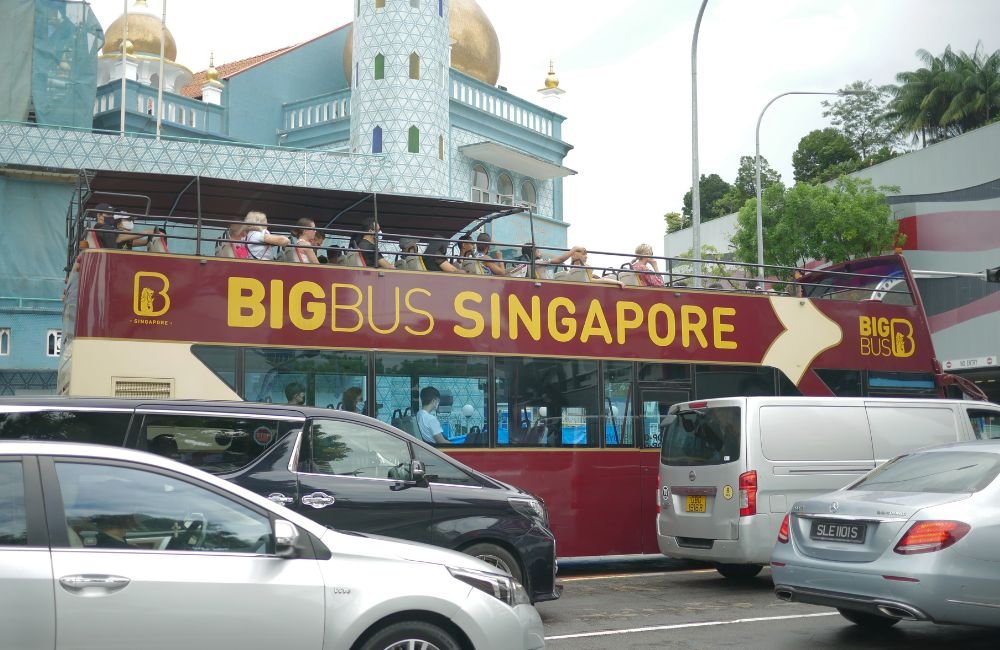
Public buses are another useful way to get around Singapore without a taxi. They complement the MRT by serving streets and neighbourhoods that may not be immediately beside a train station.
Buses can be particularly helpful when visiting local neighbourhoods, travelling between nearby attractions or reaching a destination that requires a long walk from the nearest MRT station.
How to board and pay
When boarding, use the designated entrance and tap your eligible travel card or payment device on the reader. Before leaving the bus, tap out using the same card or device.
Check the route and stop information before boarding, especially if several bus services serve the same area. Follow the onboard displays or use a journey-planning app to identify your stop.
Cash is accepted on public buses, but you must pay the exact fare because no change is provided. Cash fares are also higher than fares paid using eligible cards or mobile payments. Cash is not a payment option for MRT and LRT journeys.
When should you choose a bus over the MRT?
Use a bus when it provides a more direct route, reduces walking or connects two places that are inconvenient to reach by train.
The MRT is often simpler for longer journeys across the city. However, a direct bus can be more convenient than making several train transfers. Compare both options before travelling.
3. Understand Singapore’s Public Transport Payment Options
One of the easiest ways to make your trip smoother is to decide how you will pay for transport before your first journey.
Singapore accepts several payment methods, including eligible contactless bank cards, mobile wallets and stored-value transport cards.
Option 1: Use a contactless bank card
Eligible contactless Visa, Mastercard, American Express and NETS bank cards can be used for public transport under Singapore’s SimplyGo system. Supported bank cards can also be added to compatible mobile wallets.
For international visitors, there is one important cost to know: SimplyGo applies a S$0.60 foreign bank card administrative fee per day of use for foreign-issued Visa and Mastercard cards. Your card issuer may impose additional overseas transaction or currency-conversion charges.
Check that your card is eligible for overseas use before relying on it. If you prefer mobile payments, make sure your wallet and device are working and available throughout your journey.
Always use the same payment card or payment device to tap in and out. For example, do not enter using your physical bank card and exit using the same card stored in your phone wallet. The system may treat these as different payment methods.
Option 2: Buy a stored-value transport card
A SimplyGo EZ-Link card is another option if you prefer to keep transport payments separate from your everyday bank card.
You load travel value onto the card and use it for eligible journeys. Check the current purchase, top-up and refund conditions before buying, particularly if you will only be in Singapore for a short stay.
Option 3: Consider the Singapore Tourist Pass
The Singapore Tourist Pass offers unlimited travel on eligible basic bus services, MRT and LRT trains during its validity period.
The official pass website currently lists the following prices:
| Pass duration | Published price |
|---|---|
| 1 day | S$17 |
| 2 days | S$24 |
| 3 days | S$29 |
| 4 days | S$37 |
| 5 days | S$45 |
These prices may change, so check the official website before purchasing.
The pass is worth considering if you plan to make frequent public transport journeys during its validity period. However, it is not automatically the cheapest choice for every traveller. If you are staying centrally, walking between nearby attractions and taking only a few train journeys each day, paying individual fares may cost less.
Read the conditions carefully. The pass covers eligible basic bus and train services but excludes certain premium or express services, including the Sentosa Express.
Also note that a one-day pass runs from its first use until the end of that day’s public transport service. It is not a rolling 24-hour pass. Multi-day passes must be used on consecutive days.
4. Travel From Changi Airport Without a Taxi
You can reach Singapore’s public transport network directly from Changi Airport.
Take the MRT from Changi Airport
Follow the airport signs to Changi Airport MRT station. To travel towards different parts of the city, the airport rail connection allows transfers at either Tanah Merah or Expo, depending on the route you choose.
From there, continue on the appropriate MRT line towards your accommodation or first destination.
This is a useful option for travellers who arrive during operating hours and are comfortable carrying their luggage through stations and transfers.
Consider a public bus
Public buses also serve Changi Airport. The most suitable route depends on which terminal you arrive at and where you are staying.
Use the official journey planner to find a route and check the relevant stop, service times and fare payment options.
What if your flight arrives late at night?
Do not assume that public transport operates throughout the night. Many MRT and bus services have limited operating hours.
If you arrive late, check the last suitable service before deciding how to travel. Also consider your luggage, the location of your accommodation and whether you will have enough time to make any required transfers.
5. Explore Singapore on Foot
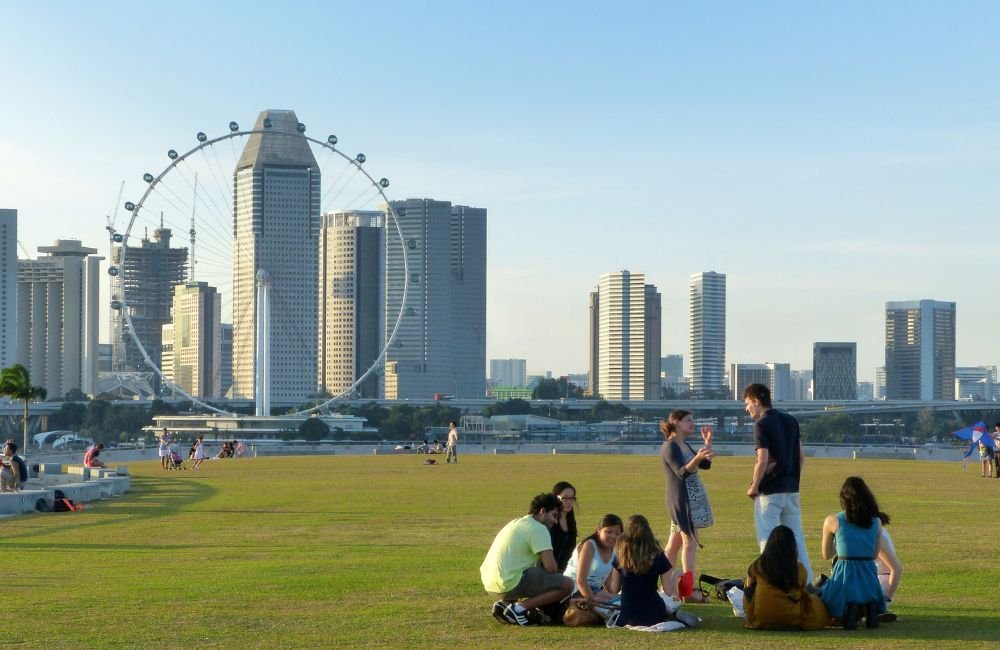
Walking is one of the simplest ways to explore areas where attractions, restaurants and shops are close together. Combining short walks with MRT journeys can reduce the number of transport trips you need to pay for.
Rather than moving across the city for every activity, organise your sightseeing by neighbourhood.
Marina Bay
Combine nearby waterfront sights and public spaces into a single walking outing. Use the MRT to reach a convenient starting point, then explore the surrounding area on foot.
Chinatown
Chinatown is a useful area for exploring heritage streets, local food and shops. Check the walking distance from the station exit to your intended destination and allow time for unplanned stops.
Little India
Explore the neighbourhood on foot to discover its cultural attractions, shops and food options. The MRT provides a practical way to reach the area before continuing on foot.
Bugis and Kampong Gelam
These adjoining areas can be incorporated into a walking itinerary focused on shopping, food and cultural sights. Choosing nearby attractions together helps you spend less time travelling between districts.
Singapore’s tropical climate can make long walks tiring. Carry water, wear comfortable shoes and take breaks in shaded or indoor spaces. Heavy rain can also affect outdoor plans, so keep a transport or indoor alternative available.
6. Get to Sentosa Without a Taxi
Sentosa Island is accessible through several transport options, so you do not need to hire a taxi to visit its beaches and attractions.
One common route is to take the MRT to HarbourFront station and continue to VivoCity, where you can board the Sentosa Express.
You can also check the availability and route of public bus services, including service 123 to Beach Station, or consider the Singapore Cable Car. Walking onto the island is another option, depending on your preferred route and current access arrangements.
Remember that the Sentosa Express is not included in the standard Singapore Tourist Pass. Budget separately for it if you choose that route.
Once on Sentosa, the appropriate way to get around depends on the attractions you plan to visit. Check the island’s official transport information for the latest routes, service arrangements and any applicable charges.
7. Practical Tips for Travelling Around Singapore Without a Taxi
A few simple habits can make public transport easier and help you avoid unnecessary expenses.
- Stay near a convenient MRT station. When comparing accommodation, consider the nearest station and the walking route to it.
- Group attractions by area. Plan nearby sights together instead of repeatedly crossing the city.
- Compare fares and journey times. Use the official journey planner to check routes, transfer requirements and estimated costs.
- Check the last train or bus. Do this before evening outings, especially when travelling to an unfamiliar part of the city.
- Use the same payment method throughout each journey. Tap in and out with the same physical card or device.
- Leave time for transfers and walking. The total journey includes more than the time spent on the train.
- Travel light when possible. Carrying heavy luggage can make transfers, escalators and crowded services more difficult.
- Keep a backup payment option. A second eligible payment method can help if your main card is declined or your device runs out of battery.
These habits are particularly useful for first-time visitors who want to explore independently.
Frequently Asked Questions
Is Singapore easy to explore without a taxi?
Yes. The MRT and public bus network connects many major attractions, shopping areas and neighbourhoods. Walking works well for nearby sights, while the official journey planner helps you compare routes.
Can tourists use foreign credit cards on Singapore’s MRT and buses?
Eligible foreign-issued contactless bank cards can be used for public transport. A S$0.60 daily administrative fee applies to foreign-issued Visa and Mastercard cards, and additional fees may be charged by your card issuer. Check your card’s eligibility before travelling.
Is the Singapore Tourist Pass worth buying?
It depends on how often you plan to travel on eligible public transport. Compare the pass price with your expected individual fares, and remember that some premium services, including the Sentosa Express, are excluded.
Can I travel from Changi Airport to the city by MRT?
Yes. The airport MRT connection links with the wider rail network through transfers at Tanah Merah or Expo, depending on your route. Check the journey planner for your destination and arrival time.
How do I get to Sentosa without a taxi?
You can travel by MRT to HarbourFront and continue to VivoCity for the Sentosa Express. Public buses, the cable car and walking routes are other options to check before travelling.
Is public transport available all night in Singapore?
No. Many train and bus services have limited operating hours. Check the last available service for your intended route before planning a late-night journey.
Explore Singapore at Your Own Pace
You can explore Singapore independently without making taxis your default way of getting around. Use the MRT for longer journeys, public buses for more direct connections and walking to discover attractions within the same neighbourhood.
Before travelling, choose a payment method, compare the Singapore Tourist Pass with pay-as-you-go fares and check the official route planner for your journeys. With these preparations, you can navigate the city more confidently and devote more of your holiday to Singapore’s food, culture and attractions.
