
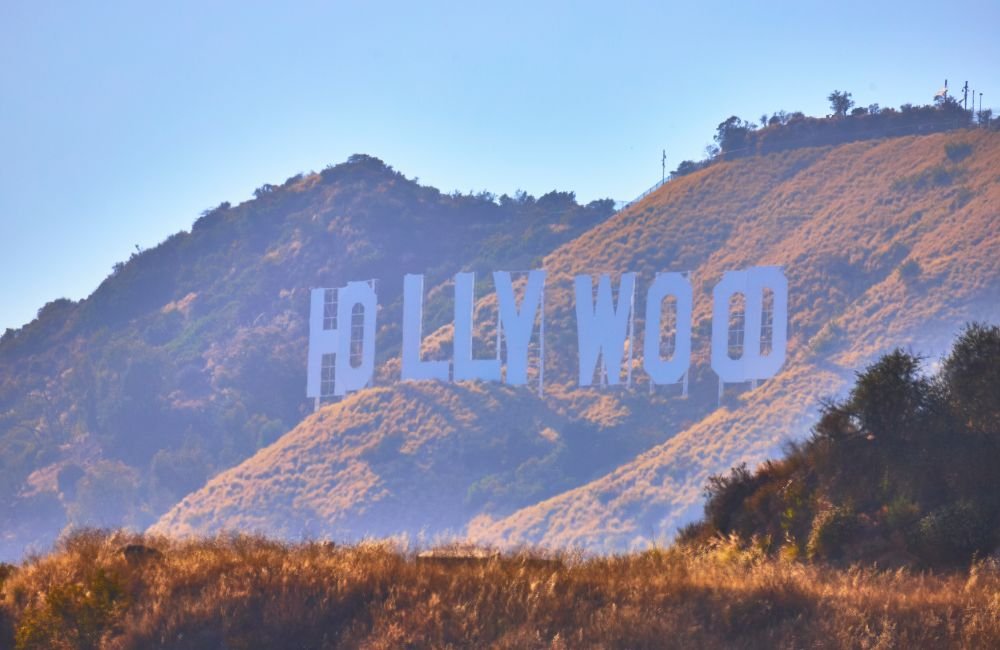
Discover another side of Los Angeles from the scenic hiking trails of Runyon Canyon Park.
Things to Do in Hollywood Beyond the Usual Tourist Stops
Hollywood is famous for its movie landmarks, celebrity culture and the iconic Hollywood Sign. However, the best things to do in Hollywood can extend well beyond the Walk of Fame and the usual sightseeing stops.
Greater Los Angeles offers a different kind of experience for travelers who enjoy the outdoors, art, architecture and local history. You can hike through the Hollywood Hills, wander through extraordinary botanical gardens, explore major art collections or discover the historic heart of Los Angeles.
Some of these destinations are outside Hollywood itself, so planning your route matters. These four experiences offer a rewarding way to discover more of Los Angeles beyond its familiar tourist attractions.
1. Discover the Outdoors at Runyon Canyon Park
For travelers who want a break from busy streets and crowded attractions, Runyon Canyon Park offers a welcome change of pace.
Located in the Hollywood Hills, this urban park combines hiking trails, native vegetation and views across Los Angeles. Its location makes it a convenient outdoor escape for visitors staying around Hollywood.
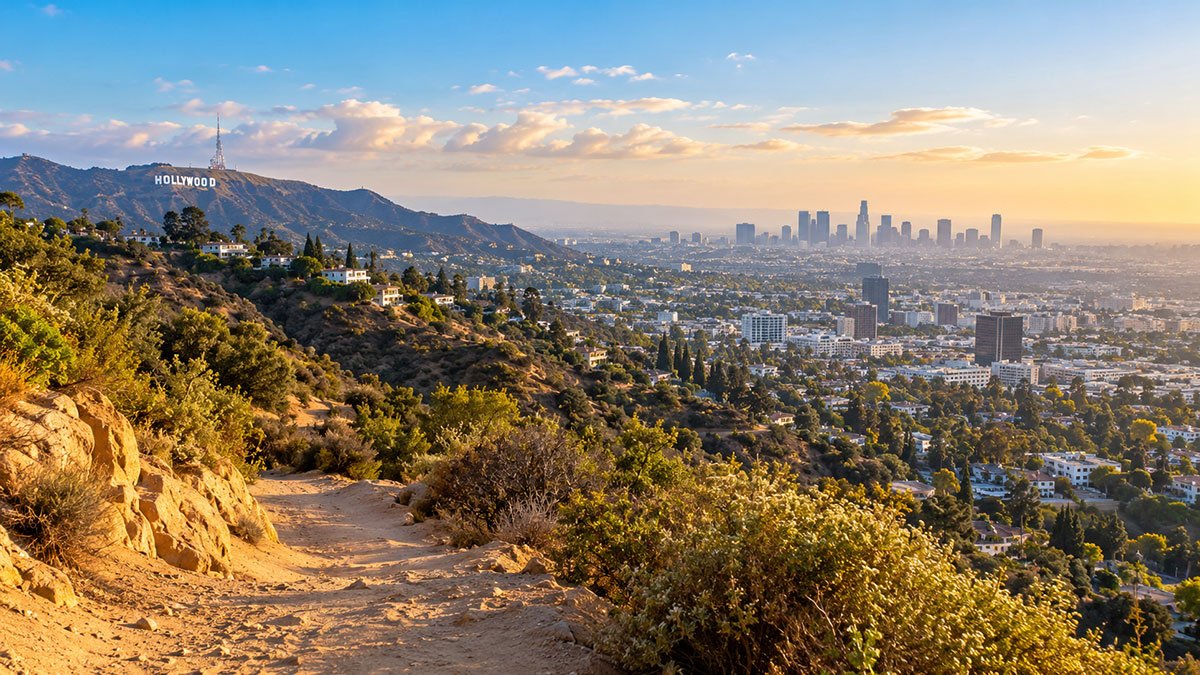
View of Los Angeles from Runyon Canyon with the Hollywood Hills and Hollywood Sign in the distance.
What Makes Runyon Canyon Worth Visiting?
The park offers a different perspective on the city. Instead of looking at Hollywood through shop windows and crowded sidewalks, you can experience its surrounding hills and landscapes on foot.
Depending on the route and visibility, hikers can enjoy views of the Los Angeles basin, surrounding hills and the urban landscape below.
The park appeals to travelers who enjoy walking, photography and outdoor exercise. It also provides a sense of how closely Los Angeles’s natural landscape borders its built-up neighborhoods.
Practical Tips for Visiting
- Check park access: The City of Los Angeles Department of Recreation and Parks lists operating hours from sunrise to sunset. Check its official park page for current access and trail-closure information.
- Wear suitable shoes: Some sections are steep or uneven. Comfortable hiking footwear is a better choice than casual dress shoes.
- Carry water: Exposed trails can become uncomfortable in warm weather. Bring enough drinking water and consider hiking earlier in the day.
- Know the park rules: Dogs may be off-leash only in designated areas. Stay on marked trails to protect yourself and the surrounding habitat.
- Plan around facilities: Prepare before starting your hike, as the city lists no restroom facilities within the park.
Runyon Canyon works well as a morning activity before exploring Hollywood’s restaurants, shops and entertainment venues. Choose your route according to your fitness level and the conditions on the day.
2. Explore the Gardens and Collections at The Huntington
If you appreciate plants, landscape design, literature and fine art, The Huntington deserves a place on your greater Los Angeles itinerary.
The Huntington is located in San Marino, east of central Los Angeles. It is not in Hollywood itself, so allow additional travel time when planning your visit.
The institution brings together a major research library, an art museum and extensive botanical gardens. Its grounds include approximately 130 acres of themed gardens, offering plenty to explore for visitors who enjoy combining nature and culture.
A Garden for Every Interest
The gardens feature distinct landscapes rather than one continuous style.
Visitors can explore:
- Chinese Garden: Traditional Chinese-inspired landscaping, architectural features and water elements.
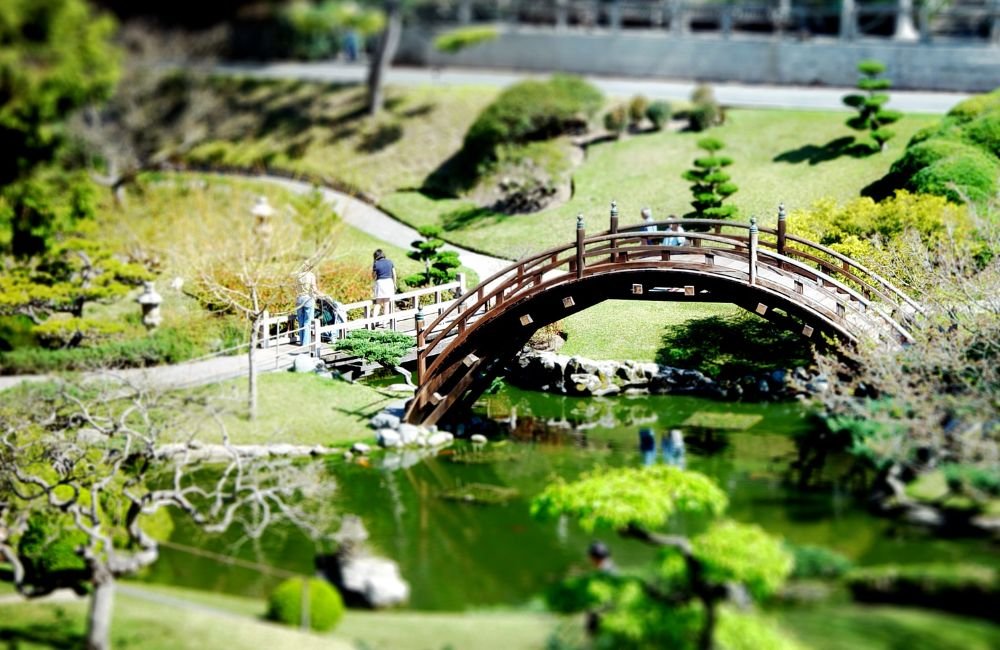
- Japanese Garden: Carefully arranged plants, paths and traditional design elements.
- Desert Garden: A remarkable collection of drought-adapted plants and succulents.
- Rose Garden: A cultivated garden showcasing roses and seasonal floral displays.
- Other botanical collections: Additional areas feature plants suited to different climates and growing conditions.
Seasonal changes give the gardens different character throughout the year. Spring can bring colorful blossoms, while other seasons reveal different foliage, flowers and garden details.
More Than Botanical Gardens
The Huntington also houses collections of art, historical materials and rare books. Exhibitions and displays can change, so visitors interested in specific works should check current listings before traveling.
You do not need to be a specialist to enjoy the experience. Art galleries, landscaped grounds and architectural details make the site appealing to visitors with varied interests.
Allow enough time to explore the areas that interest you most. A rushed visit may leave you seeing only a small portion of the grounds.
Plan Your Visit
The Huntington’s published regular hours are 10 a.m. to 5 p.m., Wednesday through Monday, with Tuesday closures. Reservations are required on Fridays, weekends, holidays and designated peak periods. Review the official website for ticket availability and any changes to opening arrangements.
Parking is free, but capacity can fill on busy days. Consider carpooling or rideshare services during peak periods.
Some galleries and garden areas may close temporarily. Check the current visitor information before your visit, particularly if you have a specific collection or garden in mind.
3. Experience Art, Architecture and Views at the Getty Center
The Getty Center offers a cultural experience that combines art, architecture, gardens and elevated views of Los Angeles.
Situated on the city’s west side, the center is a particularly good choice for travelers who want to balance outdoor sightseeing with museum visits.
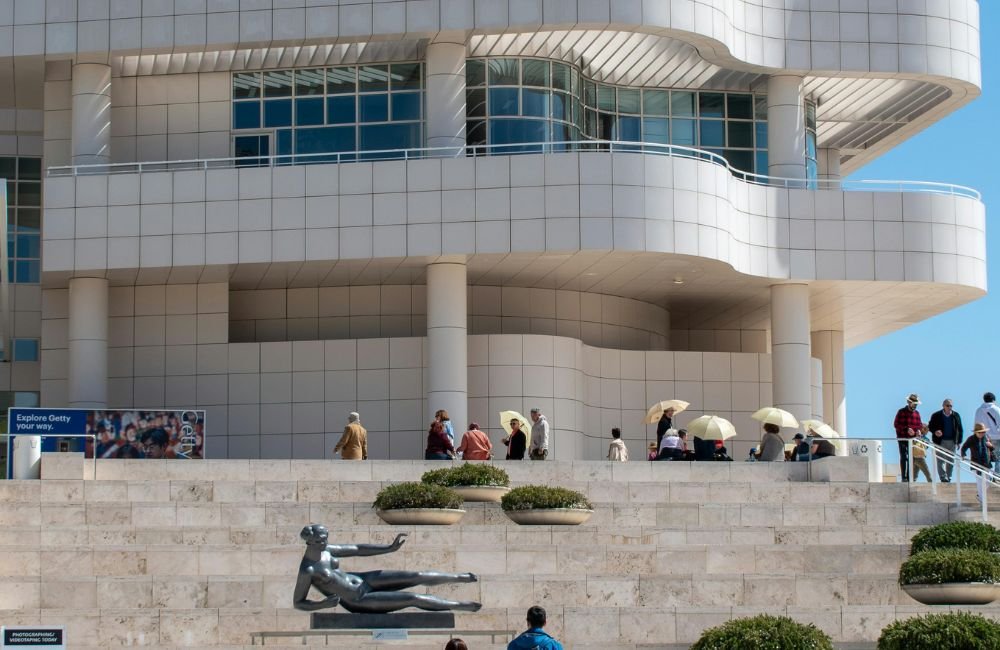
Its architecture, designed by Richard Meier, features light-colored travertine stone, open spaces and carefully framed views. The surrounding gardens add another dimension to the visit.
What Can You See at the Getty Center?
The museum presents art spanning several historical periods, from the Middle Ages to more recent work. Galleries and exhibitions offer opportunities to explore painting, sculpture, decorative arts and other collections.
Even visitors who do not spend long studying individual artworks can appreciate the building and its setting.
The Central Garden is a highlight in its own right. Its paths, water features and planting design create a landscaped environment that contrasts with the surrounding city.
The center’s elevated location also provides panoramic views across Los Angeles when visibility is good.
Is the Getty Center Free?
Yes. Admission to the Getty Center is free, but visitors must make a timed-entry reservation. Parking is charged separately.
The center is normally closed on Mondays. Its opening hours vary by day, and individual galleries may have temporary closures while work takes place.
Reserve entry in advance when possible and check the museum’s current notices before visiting.
Who Should Visit?
The Getty Center is a strong option for art enthusiasts, architecture fans, photographers and travelers who prefer a quieter cultural activity to a crowded entertainment district.
It is also a good choice for visitors interested in experiencing Los Angeles beyond its film-industry reputation.
Allow time to explore both the galleries and outdoor areas rather than treating the center as a quick photo stop.
4. Explore Downtown Los Angeles Through History and Architecture
Hollywood’s film history is only one part of Los Angeles’s story. Downtown offers opportunities to explore the city’s earlier history alongside contemporary architecture and cultural venues.
Two particularly interesting stops are Olvera Street and Walt Disney Concert Hall. They offer very different experiences and can help turn a downtown visit into more than a shopping or dining excursion.
Olvera Street and the Historic Heart of Los Angeles
Olvera Street is a historic Mexican marketplace within El Pueblo de Los Angeles Historical Monument, near the original town plaza.
Los Angeles was founded in 1781. The surrounding historic district contains buildings and sites associated with the city’s Spanish, Mexican and early American periods.
Olvera Street’s marketplace opened in 1930. Today, visitors can browse shops selling crafts, gifts and traditional items while experiencing a part of the city’s Mexican cultural heritage.
The surrounding district is also worth exploring for its historic buildings. One notable landmark is Avila Adobe, constructed in 1818 and preserved as a historic house museum.
Rather than treating Olvera Street only as a shopping destination, take time to appreciate the historic setting and learn about the different communities that shaped Los Angeles.
Visitor tip: Olvera Street is listed as open daily by the city’s El Pueblo website, but nearby museums and historic buildings have their own operating schedules. Check the relevant listings if you want to visit specific sites.
Walt Disney Concert Hall: A Landmark of Modern Architecture
For a striking contrast with Olvera Street’s historic surroundings, visit Walt Disney Concert Hall.
Designed by architect Frank Gehry, the concert hall is known for its sculptural exterior and distinctive stainless-steel surfaces. It is home to the Los Angeles Philharmonic and hosts performances across classical music and other genres.
The building is worth appreciating from outside, but visitors can also discover more about its design and musical role.
How to Experience the Concert Hall
- Admire the architecture: Observe how the building’s curved surfaces, shapes and reflective materials interact with the surrounding downtown streets.
- Look into available tours: Free self-guided audio tours are offered by the Music Center on most days. Tour start times vary, so check the current schedule before visiting.
- Attend a performance: Review the Los Angeles Philharmonic’s calendar if you would like to hear a concert inside the hall. Performance tickets are separate from any visitor tour arrangements.
A concert-hall visit can be a worthwhile addition to a day focused on downtown architecture, museums and cultural attractions.
How to Plan a Visit Beyond Hollywood’s Main Attractions
The most enjoyable itinerary is not necessarily the one that contains the greatest number of stops. Greater Los Angeles is spread across a large area, so choosing destinations by location can save unnecessary travel time.
Group Nearby Attractions Together
Use these broad groupings when planning:
- Hollywood: Explore Runyon Canyon alongside Hollywood’s restaurants, entertainment venues and other neighborhood attractions.
- West Los Angeles: Dedicate time to the Getty Center, including its galleries and outdoor spaces.
- San Marino: Treat The Huntington as a substantial garden and cultural visit rather than a brief stop between distant attractions.
- Downtown Los Angeles: Combine Olvera Street with other historic sites or a visit to Walt Disney Concert Hall, checking each attraction’s access arrangements.
The Huntington and Getty Center are in different parts of the metropolitan area. Trying to combine both with several Hollywood and downtown stops in one day could make the itinerary unnecessarily rushed.
Check Opening Arrangements Before Setting Out
Museum hours, ticket availability, garden access and tour schedules can change. Check official attraction websites before departure, especially if you are traveling on a holiday or planning to visit a particular exhibition.
For public transportation, use the official LA Metro trip planner and service information to check routes, arrivals and service alerts. Depending on your starting point, destination and schedule, you may find that a combination of transit and rideshare offers a more practical journey.
Prepare for Outdoor Activities
For Runyon Canyon and The Huntington’s extensive grounds, wear comfortable walking shoes and carry drinking water. Protect yourself from the sun, particularly during warmer weather.
If hiking is part of your plans, check park conditions and trail access before leaving. For gardens and outdoor viewpoints, consider the weather and allow enough time to explore without rushing.
Experience Another Side of Los Angeles
Hollywood remains an essential stop for movie history and entertainment, but it is only one part of a much larger destination.
Runyon Canyon offers an outdoor escape, The Huntington combines gardens with art and literature, and the Getty Center provides an impressive cultural experience. Downtown Los Angeles brings together a historic marketplace and one of the city’s best-known examples of contemporary architecture.
The key is to plan around your interests and travel time. With a little preparation, a trip centered on Hollywood can become a richer exploration of the wider Los Angeles region.
