
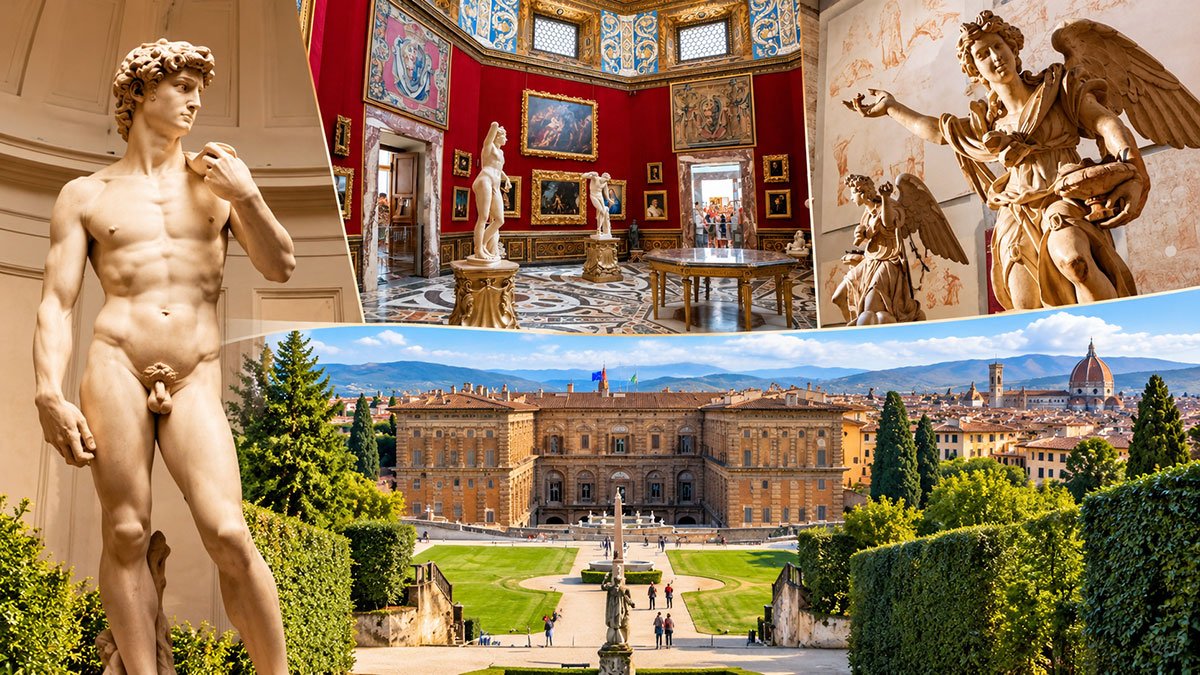
Explore the museums of Tuscany, from Florence’s Renaissance masterpieces and marble sculptures to historic palaces and gardens.
Museums of Tuscany: Discover Art, History and Culture in Italy
Tuscany is famous for its rolling countryside, historic towns, vineyards and celebrated Italian cuisine. Yet some of the region’s most remarkable experiences can be found inside its museums, where centuries of art, science and history come together.
The museums of Tuscany offer something for almost every cultural interest. In Florence, visitors can admire Renaissance paintings at the Uffizi Gallery, see Michelangelo’s celebrated David at the Accademia Gallery, and explore the history of scientific discovery at Museo Galileo. In Pisa, medieval religious art and archaeological collections reveal another side of the region’s artistic heritage. Siena, meanwhile, preserves an important record of civic life and medieval painting.
These museums are more than places to view famous works. Their collections help explain how Tuscany’s cities developed, how artists transformed European art and how scientific ideas changed the way people understood the world.
Whether you are planning a dedicated art holiday or adding cultural experiences to a wider Italian itinerary, knowing which museums to visit can help you make better use of your time. Here are the museums of Tuscany worth considering, along with practical advice for planning your visits.
Best Museums of Tuscany at a Glance
| Museum | City | Best for |
|---|---|---|
| Uffizi Gallery | Florence | Renaissance painting and European art |
| Accademia Gallery | Florence | Michelangelo’s David and sculpture |
| Museo Galileo | Florence | Scientific instruments and the history of science |
| Palazzo Pitti | Florence | Royal collections, paintings, fashion and decorative arts |
| Bargello Museum | Florence | Renaissance sculpture and decorative arts |
| Palazzo Blu | Pisa | Art collections and changing exhibitions |
| Opera del Duomo Museum | Pisa | Medieval sculpture and religious art |
| Sinopie Museum | Pisa | Preparatory drawings for historic frescoes |
| Civic Museum | Siena | Medieval painting, civic history and frescoes |
Opening arrangements, ticket availability and temporary exhibitions vary. Check the relevant museum’s official website before finalising your itinerary.
1. Uffizi Gallery, Florence
The Uffizi Gallery is one of Florence’s principal art museums and an essential stop for visitors interested in Italian Renaissance painting.
The museum occupies a historic building commissioned by Cosimo I de’ Medici in the sixteenth century. Giorgio Vasari designed the complex to accommodate the administrative offices of Florence, which explains the origin of the name Uffizi, meaning offices.
Today, the gallery is best known for its extensive collection of paintings, including works by some of the most influential artists in European art history.
What to see at the Uffizi Gallery
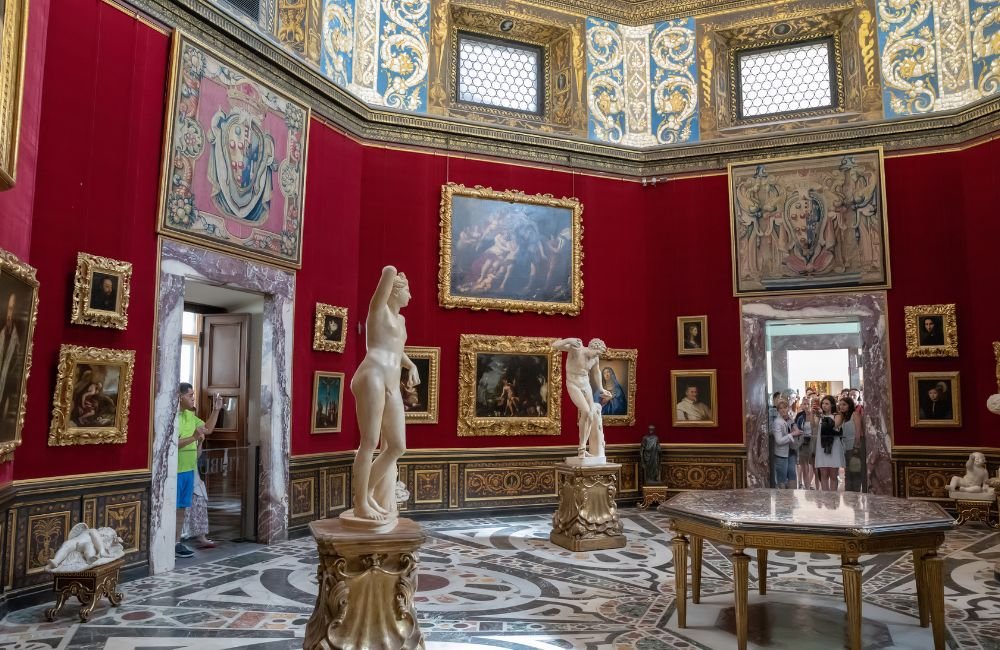
Among the best-known works associated with the collection are:
- The Birth of Venus by Sandro Botticelli: A celebrated painting depicting the goddess Venus arriving on the shore.
- The Annunciation by Leonardo da Vinci: An early work that demonstrates Leonardo’s interest in perspective, natural detail and the representation of light.
- Paintings by Raphael and Titian: Important examples of Renaissance and later Italian painting.
- Works by Caravaggio: Paintings known for their dramatic use of light and shadow.
Beyond these celebrated works, the Uffizi offers an opportunity to follow the development of Italian painting across different periods and artistic movements.
How to plan your visit
The Uffizi contains far more than can comfortably be appreciated in a quick visit. Rather than trying to see every room, identify a few paintings or periods that interest you and allow time to explore them properly.
Advance booking is advisable, particularly during busy travel periods. Purchase tickets through the official Uffizi website and check the current admission arrangements, opening calendar and any exhibition notices.
Allow several hours if you want to explore the principal collections at a relaxed pace.
Official website: Uffizi Galleries
2. Accademia Gallery, Florence
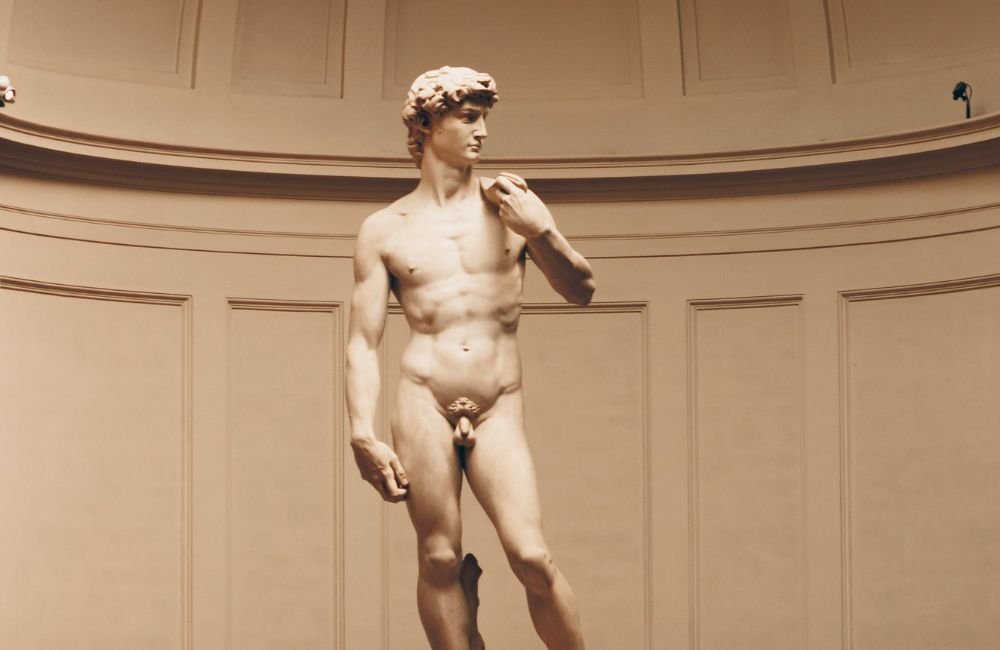
The Galleria dell’Accademia di Firenze is another major attraction for art lovers. Its most famous resident is Michelangelo’s David, one of the defining sculptures of the Italian Renaissance.
Michelangelo created David between 1501 and 1504. The monumental marble figure originally stood outdoors near Florence’s Palazzo Vecchio before being moved to the Accademia in the nineteenth century.
Although the sculpture attracts much of the attention, the gallery’s wider collection makes it worth exploring beyond the principal exhibition space.
Highlights of the Accademia Gallery
Visitors can discover:
- Michelangelo’s David and other sculptures associated with the artist.
- Early Italian paintings, including works connected with the development of Florentine art.
- Plaster casts and sculptural models by Lorenzo Bartolini and other artists.
- Historic musical instruments associated with the Medici and Lorraine grand-ducal collections.
The combination of sculpture, painting and musical instruments gives the museum a broader cultural scope than its most famous artwork alone might suggest.
Is the Accademia Gallery worth visiting?
The gallery is particularly worthwhile for travelers who want to understand Michelangelo’s work and the artistic culture of Renaissance Florence. It can also fit well into a shorter itinerary because its focus is more concentrated than that of the Uffizi.
Reserve a timed admission where available, and use the museum’s official booking channel. Without a reservation, waiting times can be significant during busy periods.
Official website: Galleria dell’Accademia di Firenze
3. Museo Galileo, Florence
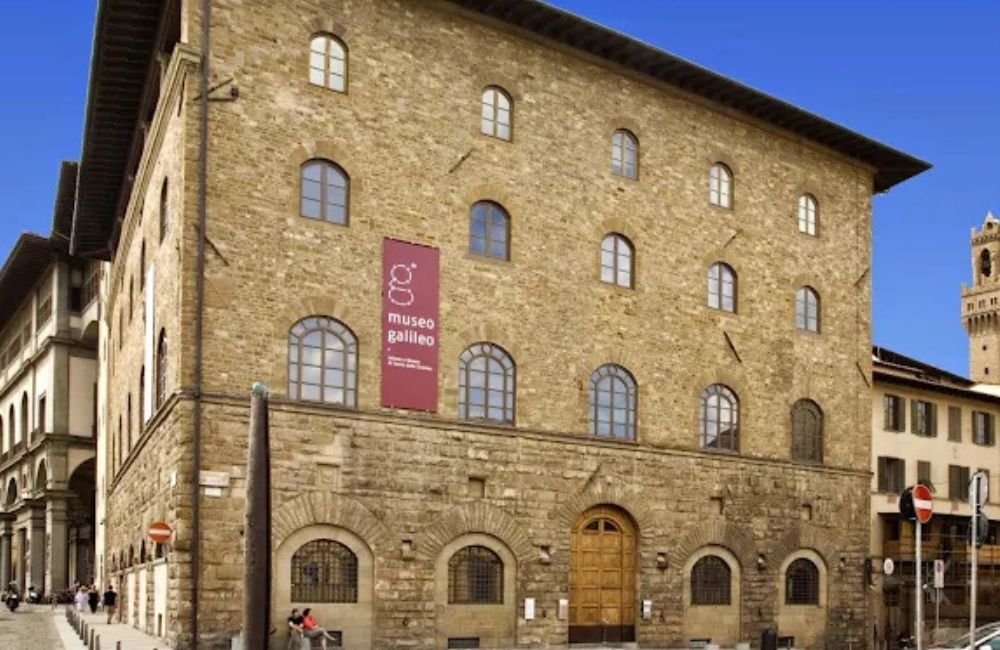
Art is not the only reason to explore Florence’s museums. The Museo Galileo offers a different perspective on the city’s intellectual history through collections devoted to science and technology.
Located near the River Arno, the museum is named after Galileo Galilei, the Italian astronomer and physicist whose work helped transform the study of the natural world.
Its collection includes historic scientific instruments used for astronomy, navigation, mathematics and related fields. These objects demonstrate how scientific observation and technological innovation developed over time.
What makes Museo Galileo special?
Rather than focusing on paintings or sculpture, the museum explores the tools people used to understand the world around them.
Depending on your interests, you may find historical telescopes, globes, measurement instruments and other scientific objects particularly rewarding. Together, these exhibits connect the history of scientific discovery with the wider political and cultural life of Italy.
Museo Galileo can be an excellent choice for families with older children, students and travelers who enjoy the history of science. It also provides a useful change of pace after visiting Florence’s major art galleries.
Practical visitor information
Check the museum’s current opening calendar before visiting. Its published schedule includes different closing times on certain days, so planning around the official timetable is important.
The museum also provides online ticketing and information about guided visits and educational activities.
Official website: Museo Galileo
4. Palazzo Pitti and the Boboli Gardens, Florence
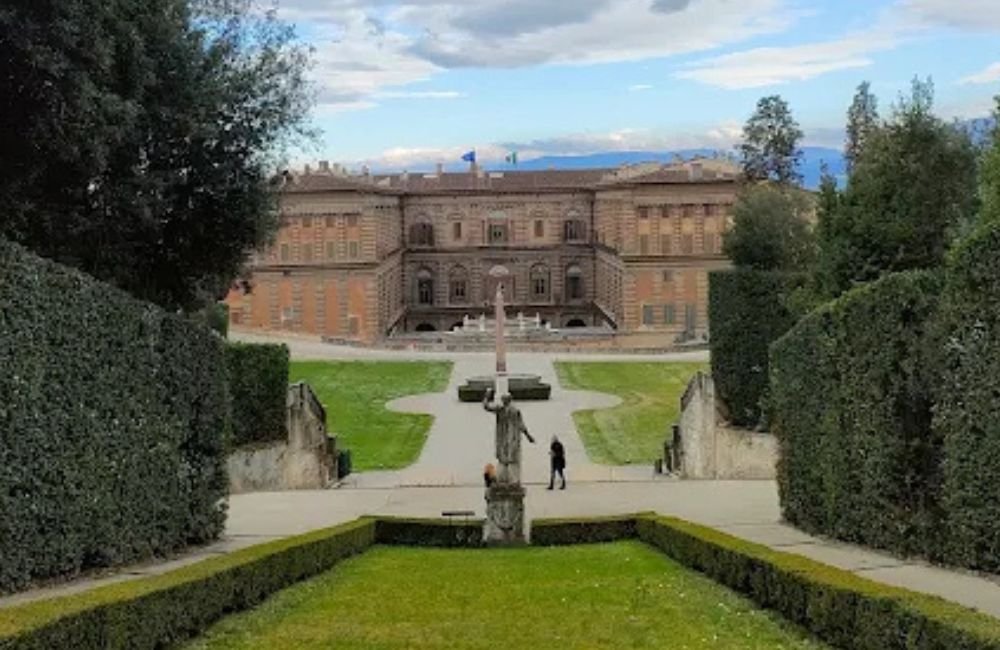
Travelers who want to explore beyond the Uffizi and Accademia should consider Palazzo Pitti.
The historic palace once served as a residence for Florence’s ruling families. Today, it forms part of the Uffizi Galleries complex and houses several distinct museum collections.
Its scale and variety make it particularly suitable for visitors interested in the relationship between art, court life, fashion and the history of decorative objects.
What can you see at Palazzo Pitti?
The palace includes collections such as:
- The Palatine Gallery, with paintings displayed in richly decorated rooms.
- The Gallery of Modern Art, featuring later Italian painting.
- The Treasury of the Grand Dukes, with decorative and precious objects.
- The Museum of Costume and Fashion, exploring the history of clothing and dress.
- Historic royal and imperial apartments, where admission and access arrangements should be checked separately.
The nearby Boboli Gardens extend the experience outdoors. Their landscaped grounds, sculptures, fountains and architectural features provide a contrast to the palace’s interior collections.
How to include Palazzo Pitti in your itinerary
Consider grouping the palace and gardens into a dedicated visit rather than attempting to fit every major Florence attraction into one day. The time required depends on which collections are open and how deeply you want to explore them.
The Uffizi Galleries offer different ticket options covering individual sites and combinations of attractions. Check the current official ticket information to determine which arrangement best suits your plans.
Official website: Uffizi Galleries — Palazzo Pitti
5. Bargello Museum, Florence
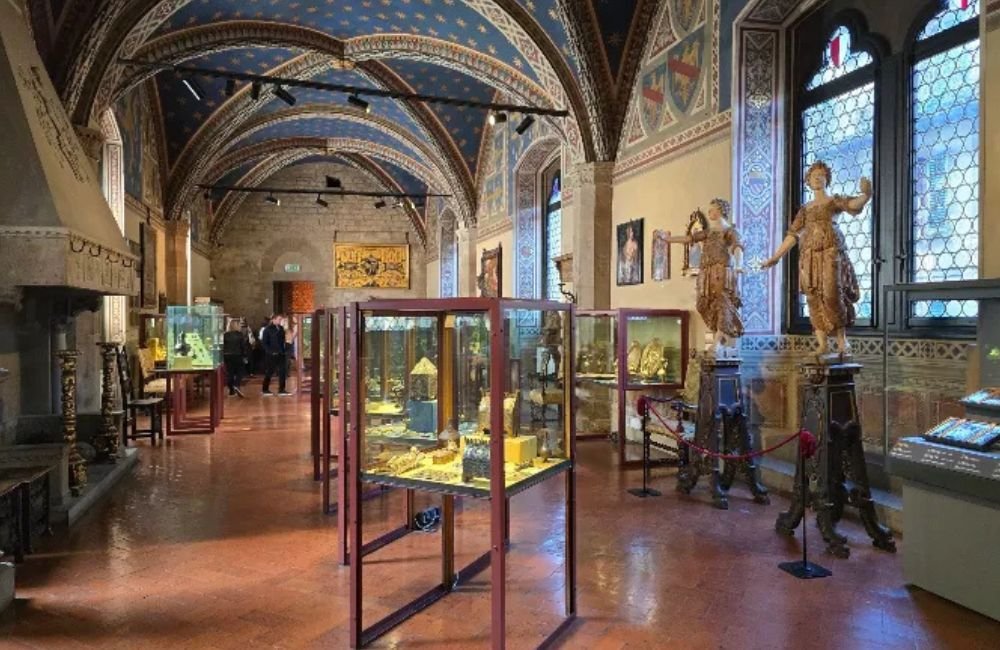
For visitors particularly interested in sculpture, the Bargello Museum is another important cultural stop in Florence.
Housed in a historic building that once served civic and judicial functions, the museum is known for its collection of Renaissance sculpture and decorative arts.
It offers a complementary experience to the Accademia Gallery. Where the Accademia is strongly associated with Michelangelo’s David, the Bargello provides a broader opportunity to explore sculptural traditions, artistic materials and craftsmanship across different periods.
The museum is worth considering if sculpture interests you as much as painting, or if you want a deeper understanding of Florence’s artistic heritage.
Check the current official museum information for collection access, exhibitions and ticket arrangements before planning your visit.
6. Palazzo Blu, Pisa
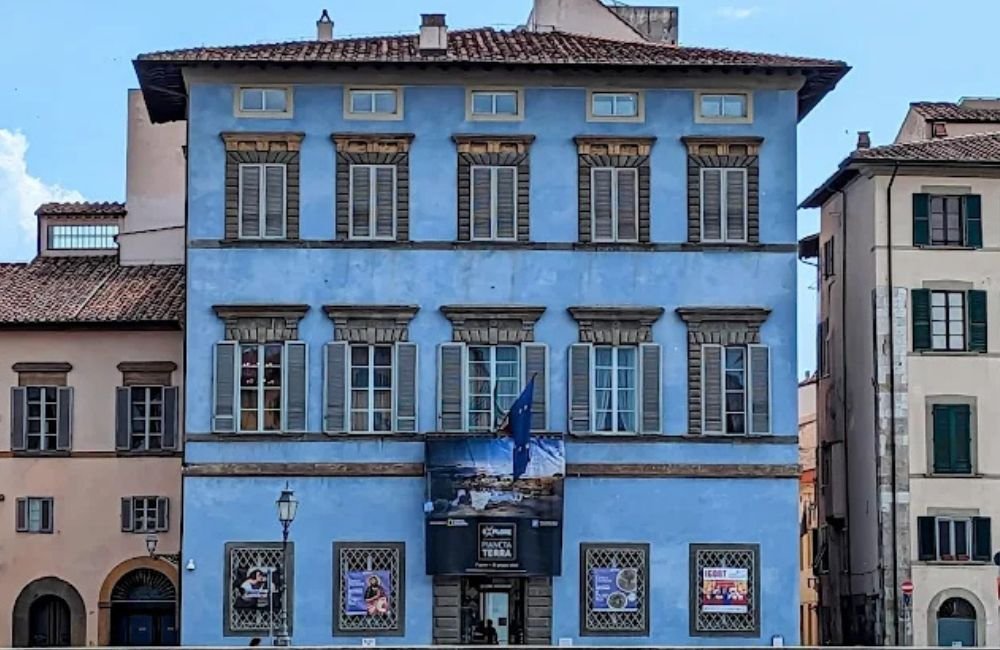
Pisa is widely associated with its Leaning Tower, but the city also offers cultural experiences beyond the famous monument.
Palazzo Blu is a prominent art and cultural venue on the River Arno. It houses the collections of the Pisa Foundation and hosts temporary exhibitions.
Its programme provides a useful opportunity to explore painting and other visual arts, sometimes through exhibitions dedicated to particular artists or artistic movements.
Why visit Palazzo Blu?
Unlike a museum focused entirely on one historical period, Palazzo Blu combines established collections with changing exhibitions. This means the experience can differ from one visit to another.
Before travelling, check the official exhibition calendar to learn what will be on display during your stay. If a particular exhibition interests you, verify its dates and entry arrangements before booking other activities in Pisa.
Palazzo Blu can also add variety to an itinerary centred on the city’s better-known architectural landmarks.
Official website: Palazzo Blu
7. Opera del Duomo Museum, Pisa
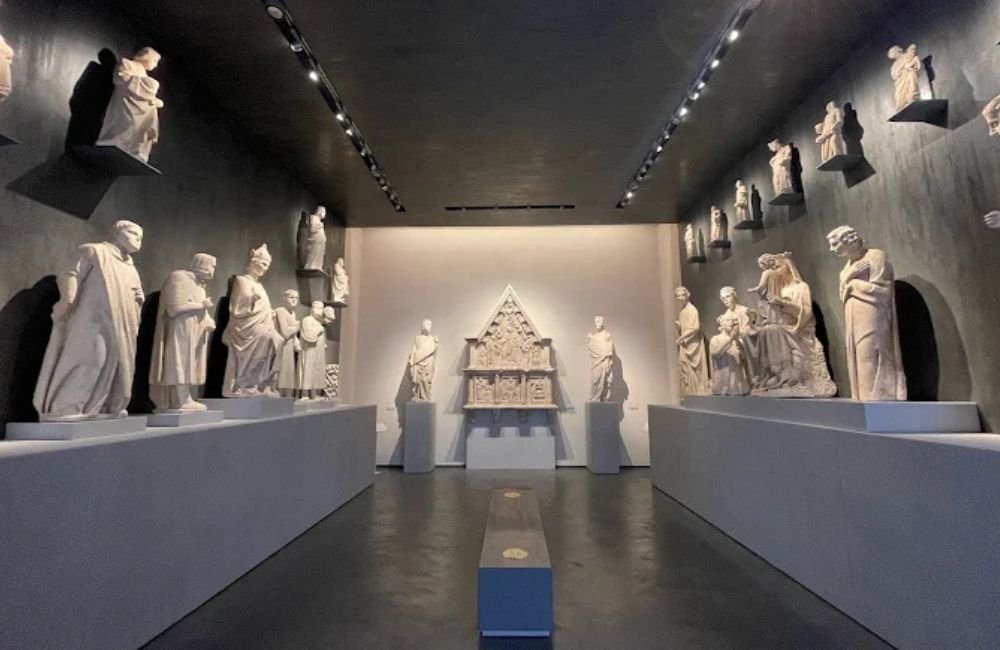
The Opera del Duomo Museum provides a closer look at the artistic heritage associated with Pisa’s cathedral complex.
Its collection includes historical objects, sculpture and works connected with the Cathedral, Baptistery and other monuments in Piazza del Duomo.
The museum helps explain the artistic traditions and craftsmanship behind these celebrated buildings. Rather than viewing the monuments only from outside, visitors can explore objects that reveal more about their decoration, construction and religious significance.
For anyone interested in medieval art, religious architecture or the history of Pisa, the museum is a worthwhile addition to a city visit.
Combine the museum with the Piazza del Duomo
The museum belongs to the wider group of monuments around Pisa’s Piazza del Duomo, commonly known as the Square of Miracles. The complex also includes the Cathedral, Baptistery, Leaning Tower, Camposanto and Sinopie Museum.
If you plan to visit more than one site, compare the official ticket options carefully. Some visits require a selected time slot, and admission arrangements differ between attractions.
Official website: Opera della Primaziale Pisana
8. Sinopie Museum, Pisa
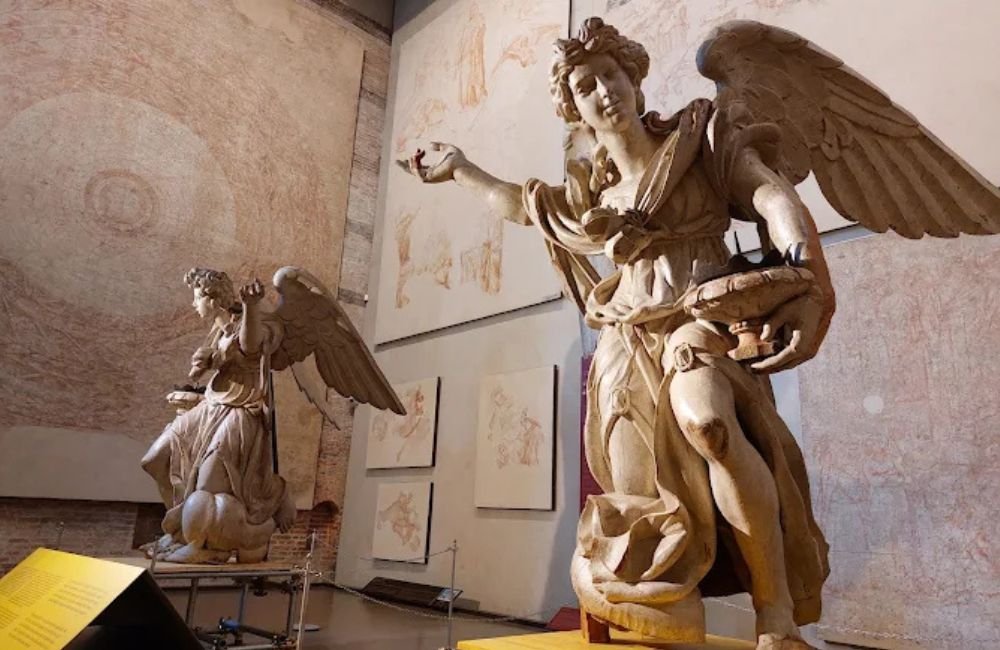
Another museum worth considering in Pisa is the Sinopie Museum.
The museum preserves preparatory drawings associated with the large frescoes that once decorated the walls of the Camposanto monument. These drawings, known as sinopie, were made during the early stages of fresco production.
They offer an unusual perspective on the artistic process. Instead of seeing only the finished compositions, visitors can examine the underlying designs used to prepare the painted scenes.
For travelers interested in restoration, medieval artistic techniques or the relationship between a drawing and its finished artwork, the collection provides a different experience from a conventional picture gallery.
The Sinopie Museum is also a natural addition to a visit to Pisa’s cathedral complex. Check current admission arrangements and opening times through the official Opera della Primaziale Pisana website.
9. Civic Museum, Siena
Siena offers a different artistic atmosphere from Florence and Pisa. Its medieval streets, historic buildings and distinctive painting traditions are closely connected to the city’s civic history.
The Civic Museum of Siena is housed inside the Palazzo Pubblico, the historic civic palace overlooking Piazza del Campo.
The museum’s rooms contain paintings, frescoes and other works that illuminate Siena’s political and cultural development.
The Hall of Peace and the art of civic life
One of the museum’s principal highlights is the cycle of frescoes by Ambrogio Lorenzetti commonly known as the Allegory of Good and Bad Government.
Painted in the fourteenth century, these frescoes explore the relationship between government, civic life and the condition of the surrounding countryside.
The museum also preserves important works associated with Simone Martini, including the celebrated Maestà. Together, these works demonstrate how painting in medieval Siena developed its own distinctive character.
The Civic Museum is particularly rewarding for visitors who want to understand the historical context behind Siena’s architecture and public spaces, rather than treating the city as simply a picturesque stop on a Tuscan itinerary.
Official visitor information: Visit Siena — Civic Museum
How to Plan a Museum Tour of Tuscany
The best way to explore the museums of Tuscany is to organise visits around individual cities. Florence, Pisa and Siena each have enough cultural attractions to justify a focused visit, so attempting to see every major collection during a single day can make the experience unnecessarily rushed.
For a one-day visit to Florence
Choose one major art museum as your primary attraction. The Uffizi is suited to visitors interested in Renaissance painting, while the Accademia is an obvious choice for those who want to see Michelangelo’s David.
Add a second, smaller attraction only if your schedule allows enough time. Museo Galileo is an alternative for travelers interested in science and technology.
For two days in Florence
A two-day schedule allows greater flexibility. Consider visiting the Uffizi on one day and the Accademia on another. You can then choose Palazzo Pitti, the Bargello or Museo Galileo according to your interests.
Leave room for meals, walking between attractions and time to enjoy the historic centre. A well-planned itinerary is usually more satisfying than trying to visit every museum available.
For a day in Pisa
Start by deciding how much of the Piazza del Duomo complex you want to explore. The Opera del Duomo Museum and Sinopie Museum provide complementary perspectives on the city’s medieval religious art.
Palazzo Blu offers a different experience through its art collections and temporary exhibitions. Check its programme before your trip and decide whether it fits your schedule.
For a cultural day in Siena
The Civic Museum is a strong choice for visitors interested in medieval art and civic history. You can combine the visit with time around Piazza del Campo and the surrounding historic streets.
If Siena is part of a longer Tuscan itinerary, consider allowing more time to explore its wider collection of museums and historic attractions.
Practical Tips for Visiting Tuscany’s Museums
A few simple preparations can make museum visits more comfortable and help you avoid unnecessary delays.
Book popular museums in advance
Major museums, particularly the Uffizi and Accademia Gallery, can be busy during popular travel periods. Check their official ticket websites and reserve a time slot where recommended or required.
Use the museums’ own websites to confirm authorised booking channels. This helps you check current prices, admission conditions, cancellation terms and available ticket combinations.
Check opening days and temporary closures
Do not assume every museum opens daily or follows the same schedule. Weekly closing days, public holidays, exhibitions and maintenance can affect access.
Review the official calendar close to your travel date, especially if a particular collection is central to your plans.
Group nearby attractions together
Plan your day geographically. Visiting several attractions in one area can reduce unnecessary travel and give you more time inside the museums.
When travelling between Florence, Pisa and Siena, check current train and regional bus schedules. If you plan to visit smaller Tuscan towns, research local connections before deciding whether public transport or a rental car is more practical.
Decide what interests you most
Tuscany’s museums cover a broad range of subjects, but you do not need to visit every institution to understand the region.
Art enthusiasts may prioritise the Uffizi and Accademia. Science enthusiasts may prefer Museo Galileo. Visitors interested in medieval history may find Pisa’s cathedral museums and Siena’s Civic Museum especially compelling.
Choose collections that match your interests rather than following a list simply because the attractions are famous.
Be prepared for photography and accessibility rules
Museum policies vary. Some exhibitions restrict photography or prohibit flash, while particular rooms and artworks may have additional rules.
Check accessibility information if you need step-free access, lifts, seating or other facilities. For older buildings, arrangements can vary between floors and exhibition spaces.
When Is the Best Time to Visit Museums in Tuscany?
Museums can be enjoyed throughout the year, but the surrounding travel conditions may influence how you organise your holiday.
Spring and autumn can be attractive for combining museum visits with walking around Tuscany’s historic towns. Summer brings longer daylight hours but can also mean busier attractions and hot conditions in cities such as Florence.
Indoor museums are useful alternatives during rainy weather or hot afternoons. However, popular galleries can still have substantial visitor demand in every season.
Rather than choosing travel dates solely around museum access, consider the wider trip, including accommodation availability, transport connections and any exhibitions you particularly want to see.
Why Tuscany Deserves a Place on Your Cultural Travel Itinerary
The museums of Tuscany reveal much more than a collection of famous artworks. They tell stories about the people, ideas, institutions and artistic traditions that shaped the region.
Florence provides extraordinary opportunities to study Renaissance painting and sculpture. Pisa connects visitors with medieval religious art and architectural history. Siena offers a particularly rich view of civic culture and the distinctive achievements of its medieval artists.
Each city contributes a different perspective, making Tuscany an excellent destination for travelers who want to combine cultural discovery with the experience of exploring historic Italian towns.
Choose the collections that interest you most, reserve popular attractions ahead of time and give yourself enough room to appreciate each visit. With a well-balanced itinerary, a museum holiday in Tuscany can become one of the most rewarding ways to experience Italy.
