
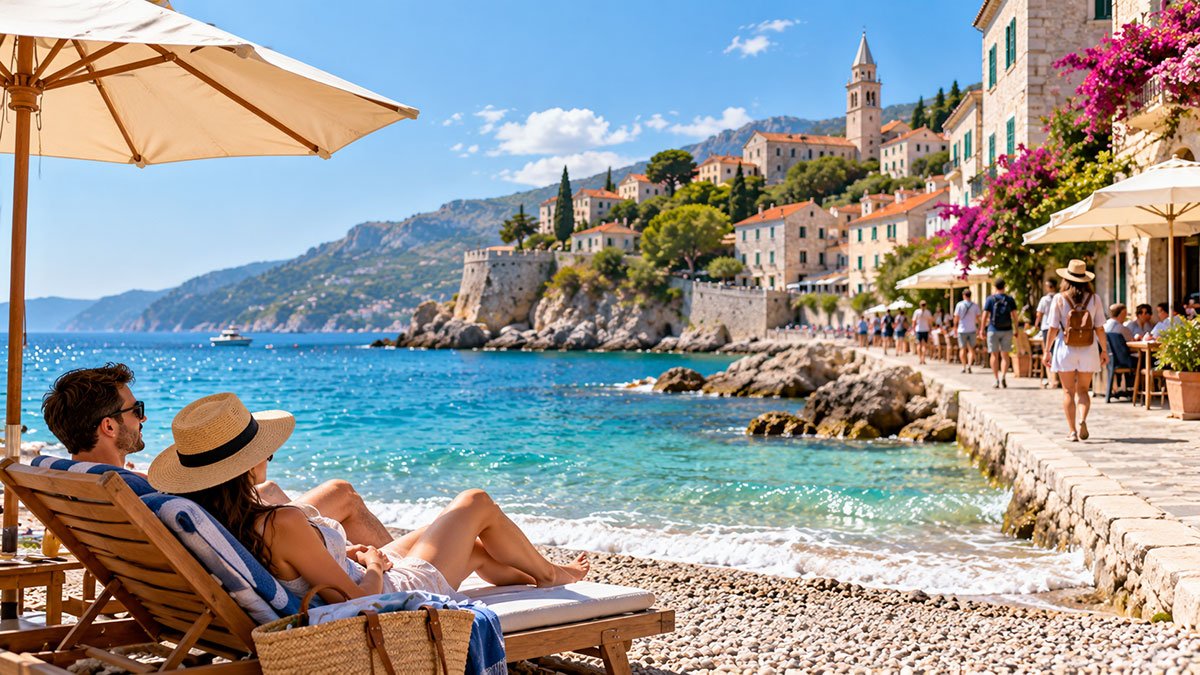
The ideal summer holiday balances the weather with the activities you want to enjoy.
How Hot Should Your Summer Holiday Be? A Guide to Choosing the Right Weather
For many travelers, summer means sunshine, warm beaches and long days outdoors.
But there is a difference between pleasantly warm summer holiday weather and temperatures that make sightseeing uncomfortable.
A hot beach can be perfect for swimming and relaxing. The same heat can make a full day of walking through a city exhausting. A mountain destination that feels cool in the morning may become much warmer by afternoon. A desert resort can offer sunshine while shifting many activities indoors during the hottest part of the day.
The best summer holiday is therefore not necessarily the hottest one.
It is the destination where the weather matches what you actually want to do.
Start With the Holiday You Want
Before checking temperatures, decide how you want to spend your days.
Are you planning to:
- Relax beside a swimming pool?
- Spend most of your time on the beach?
- Explore museums and historic attractions?
- Hike or cycle?
- Play golf or tennis?
- Travel between several cities?
- Enjoy outdoor restaurants and evening walks?
- Keep children entertained with outdoor activities?
Your answer should influence the climate you choose.
A traveler planning a quiet beach break may welcome intense summer heat. Someone planning eight hours of sightseeing every day may prefer a milder destination.
There Is No Perfect Temperature for Every Traveler
People tolerate heat differently.
Some travelers are comfortable outdoors in very hot conditions. Others find temperatures in the upper 20s Celsius more than warm enough.
Age, fitness, hydration, clothing, humidity, sun exposure and physical activity can all affect how hot a day feels.
That makes weather averages useful for planning, but they should not be the only factor.
Also remember that daytime temperatures do not tell the whole story. Humidity, wind and nighttime temperatures can significantly influence comfort.
Choose Your Destination by Climate, Not Just by Country
A country can have several different climates.
Spain is a good example.
Its official tourism information notes that summer is generally hot and dry, but northern regions such as Galicia, Asturias and Cantabria have milder conditions than inland and southern areas.
Greece also has significant regional variation. Coastal locations may feel different from mountainous areas, while seasonal winds can provide relief in some parts of the country.
Portugal varies from north to south, with the north generally cooler and the south warmer.
This means a useful question is not:
“How hot is Spain in summer?”
Instead ask:
“Which part of Spain is most suitable for the kind of holiday I want?”
That small change can lead to a much better itinerary.
If You Love Serious Heat, Choose Carefully
Some destinations are famous for very high summer temperatures.
That can be ideal if your main priority is sun, swimming and resort relaxation.
But very high heat changes the way you should plan a holiday.
Dubai
Dubai offers dependable sunshine and extensive beach, pool, shopping and indoor entertainment options.
The official tourism authority describes average temperatures around 35°C in July and August and around 36°C in June.
That level of heat can make midday outdoor sightseeing uncomfortable for many travelers.
For a summer visit, a sensible itinerary can place outdoor activities in the cooler parts of the day while using indoor attractions during the afternoon.
Dubai has a large selection of air-conditioned museums, malls, attractions and entertainment venues, which makes it easier to build a heat-conscious schedule.
Best for: Resort stays, pools, beaches, shopping, dining and travelers comfortable with intense heat.
For Classic Mediterranean Summer Weather
Mediterranean destinations remain popular because they combine sunshine, beaches, food, history and outdoor living.
Spain, Greece, Cyprus and parts of Portugal are among the many options.
However, “Mediterranean summer” does not mean the same conditions everywhere.
Spain
Summer is the country’s hottest and driest period.
Beach destinations can be excellent for swimming and relaxing, while northern regions provide milder conditions for travelers who find intense heat uncomfortable.
Cities such as Barcelona offer both beaches and extensive sightseeing, making them appealing for mixed itineraries.
The challenge comes when travelers try to combine a beach holiday with long daytime walks during periods of extreme heat.
A better strategy is to explore earlier, take a midday break and return outdoors later.
Greece
Greece has a Mediterranean climate with hot, dry summers.
Seasonal winds can moderate conditions in some locations, while mountainous areas are generally cooler.
This makes Greece flexible for different types of travelers.
Beach lovers can choose a coastal or island stay. Active travelers can look toward hiking areas and mountain destinations.
As with any hot destination, check the local forecast close to your travel dates rather than relying solely on long-term averages.
Cyprus
Cyprus has long, dry summers and abundant sunshine.
The official tourism authority notes that the hottest months are July and August, with average maximum temperatures considerably higher on the central plain than in the Troodos Mountains.
That difference matters when choosing where to stay.
A coastal resort may suit a beach holiday, while mountain areas provide a very different summer climate.
Best for: Beach holidays, swimming, island travel, Mediterranean food and relaxed outdoor evenings.
Portugal Can Offer Different Summer Experiences
Portugal is another useful example of why geography matters.
The country’s official tourism information describes a generally hot and dry summer but also notes major regional differences.
Northern areas tend to be cooler, while southern Portugal is warmer.
The Atlantic Ocean also influences coastal conditions.
The Algarve is therefore a natural choice for travelers looking for a traditional sunny beach holiday, while other parts of Portugal may appeal more to travelers who want sightseeing combined with a less intense climate.
Madeira provides another alternative with its subtropical conditions.
Best for: Beach holidays, road trips, food, culture, hiking and mixed itineraries.
Morocco: Heat With More Variety
Morocco offers beaches, historic cities, mountains and desert landscapes.
That means travelers can choose very different experiences within one country.
The Moroccan National Tourist Office highlights the country’s coastal, mountain and desert climates and specifically recommends spring and autumn for desert travel.
This is useful advice for travelers who want an active itinerary.
A desert excursion in the middle of the hottest part of summer may be very different from a coastal holiday in Agadir.
The right destination and season depend heavily on the activity.
Best for: Culture, markets, food, coast, mountains and desert experiences.
What About Sightseeing in Very Hot Weather?
This is where many summer holiday plans go wrong.
A traveler may choose a city because it has excellent attractions, then spend every afternoon walking between them during the hottest part of the day.
That can turn an enjoyable trip into an exhausting one.
Instead, structure your itinerary around the weather.
Start Early
Visit outdoor attractions in the morning when possible.
This can also mean cooler walking conditions and, at some popular attractions, lighter crowds.
Use the Afternoon for Indoor Attractions
Museums, galleries, shopping centers, restaurants and other indoor attractions can fill the hottest hours.
Explore Again in the Evening
Many cities become more comfortable after sunset.
Late afternoon and evening can be ideal for:
- Historic neighborhoods
- Outdoor dining
- Waterfront walks
- Markets
- Photography
- Local entertainment
A slower schedule can also make the holiday more enjoyable.
Hot Weather and Active Holidays Do Not Always Mix
The old idea that hotter weather automatically makes a summer holiday better does not work for every activity.
Running, hiking, cycling, golf and other outdoor sports place additional demands on the body.
High temperatures can increase the risk of heat exhaustion and heat stroke, particularly during prolonged activity.
The World Health Organization advises travelers and the public to take hot-weather health risks seriously, especially during periods of extreme heat.
If an activity is central to your holiday, choose the season and destination carefully.
A hiking trip in a cooler mountain region may be more enjoyable than a beach destination experiencing extreme summer heat.
Choose Cooler Destinations for Outdoor Activities
Not every summer holiday needs to involve intense heat.
Northern Europe, higher-altitude destinations and some Atlantic-facing regions can offer more moderate summer conditions.
Consider destinations such as:
- Norway
- Scotland
- Ireland
- Iceland
- The Alps
- Mountain regions of Greece
- Northern Spain
- Northern Portugal
These locations can be particularly appealing for travelers planning:
- Hiking
- Cycling
- Walking tours
- Wildlife watching
- Scenic drives
- Photography
- Long days of sightseeing
A cooler summer destination can still provide plenty of sunshine and beautiful landscapes.
Consider Mountains When the Coast Feels Too Hot
Altitude can make a significant difference.
Mountain destinations are often cooler than nearby lowland cities, though conditions can still vary substantially by elevation, exposure and time of day.
This opens up an excellent summer strategy:
Stay near the mountains rather than automatically heading toward the coast.
A mountain town may give you comfortable daytime temperatures for walking while still offering access to restaurants, local culture and scenic views.
Think About Humidity, Not Just Temperature
Two destinations can record the same air temperature but feel completely different.
Humidity affects how efficiently the body cools itself through sweating.
That means a hot and humid destination can feel more oppressive than a similarly warm but dry location.
When comparing destinations, check:
- Daytime temperature
- Nighttime temperature
- Humidity
- Wind
- Rainfall
- Sun exposure
- Seasonal weather patterns
A simple temperature comparison rarely tells the full story.
Summer Weather Can Affect Transportation Too
The old article made an important point that remains relevant: weather affects how comfortable it is to move around.
That includes:
- Walking
- Public transport
- Rental-car journeys
- Cycling
- Ferries
- Outdoor transfers
- Airport connections
A long walk between attractions can become much more difficult under intense heat.
Similarly, an outdoor queue for a ferry or attraction can feel very different on a hot afternoon than on a mild morning.
Build realistic travel times into your itinerary and avoid planning several physically demanding transfers during the hottest part of the day.
Think About Your Hotel’s Location
Accommodation can influence how manageable a hot holiday feels.
A well-located hotel may reduce the amount of time you spend walking in direct sun or waiting outside for transport.
When choosing accommodation, consider:
- Distance to public transport
- Walking distance to restaurants
- Access to the beach
- Shaded outdoor areas
- Air conditioning
- Pool facilities where relevant
- Nearby indoor attractions
- Easy access to evening activities
Do not choose accommodation only because it is inexpensive.
Location can be especially valuable during a very hot summer.
Families Should Plan Around the Heat
Families need to consider heat differently.
Children can become uncomfortable quickly during long periods outdoors, particularly when they are running, playing or waiting in queues.
A family summer itinerary should allow for:
- Regular breaks
- Water
- Shade
- Indoor activities
- Flexible sightseeing
- Earlier outdoor excursions
- Less demanding afternoons
Destinations with strong indoor entertainment options can be especially useful when the weather becomes too hot.
Dubai is one example, while major European cities also offer museums, aquariums, shopping centers and other indoor attractions.
Plan Beach Holidays Differently From Activity Holidays
The perfect temperature depends on what you are doing.
Beach Holiday
Hot weather can be an advantage.
Choose:
- Coastal resorts
- Islands
- Swimming beaches
- Pool-focused accommodation
Schedule beach time around sun exposure and local conditions.
Sightseeing Holiday
Moderate temperatures are usually more comfortable.
Choose:
- Cooler regions
- Coastal cities with breezes
- Northern destinations
- Higher elevations
- Shoulder-season dates
Adventure Holiday
Weather becomes a central planning issue.
Look at:
- Heat
- Rain
- Wind
- Altitude
- Trail conditions
- Seasonal closures
Your activity may determine the best travel month more than the destination itself.
Is Extreme Heat Ever a Reason to Change Your Travel Plans?
Yes.
Weather is part of travel planning, and severe heat can affect both comfort and safety.
When official authorities issue extreme-heat warnings, travelers should reconsider strenuous daytime activities and follow local guidance.
The response does not always have to be canceling the entire holiday.
You can often modify the itinerary:
- Move outdoor activities to early morning.
- Spend the hottest hours indoors.
- Reduce physical activity.
- Increase rest periods.
- Stay hydrated.
- Seek shade or air-conditioned spaces.
- Follow local heat-health advice.
However, vulnerable travelers may need to take extra precautions.
How to Research Summer Holiday Weather Properly
Long-range climate averages are useful when choosing a destination, but they cannot predict the exact weather during your trip.
Use several layers of information.
Start With Climate Averages
These help you compare destinations and identify the normal seasonal pattern.
Check the Forecast Before Departure
As your trip gets closer, use a reliable weather service for the specific destination.
Check Local Alerts During the Trip
Extreme heat, storms, wildfires and other weather hazards can develop rapidly.
Official local authorities and tourism organizations are the most useful sources during significant weather events.
Think Beyond the Daily Maximum
Ask:
- What will the mornings feel like?
- How hot will it remain after sunset?
- Will there be strong winds?
- Is rain likely?
- Is humidity high?
- Are outdoor attractions affected by the conditions?
These questions produce a much more realistic picture of your holiday.
Pack for the Climate You Actually Chose
Packing should reflect the conditions rather than the destination’s image.
For hot-weather travel, consider:
- Lightweight clothing
- Breathable fabrics
- Sun hat
- Sunglasses
- Sunscreen
- Comfortable walking shoes
- Reusable water bottle
- Lightweight rain protection where appropriate
For sightseeing-heavy trips, comfortable footwear may matter more than additional beach clothing.
And for mountain holidays, bring layers even when the surrounding region is experiencing summer heat.
Should You Travel in July or August?
There is no universal answer.
These are traditionally peak summer months in much of Europe, but conditions and visitor numbers vary by destination.
Consider traveling earlier or later within the summer if you want:
- More manageable temperatures
- Lower pressure on popular attractions
- Better conditions for active travel
- A different balance of crowds and weather
Also remember that the hottest period is not always the best period for sightseeing.
The Best Summer Holiday Is the One That Fits You
There is no perfect level of heat for everyone.
Some travelers want a hot beach and a cold drink.
Others would rather walk through a historic city without dealing with intense afternoon heat.
Some want to hike all day in the mountains.
Others want to spend most of their holiday beside a swimming pool.
That is why choosing the right summer holiday weather matters more than simply searching for the hottest destination.
Before booking, think about the activities you want, the amount of time you will spend outdoors and how well you tolerate heat.
Then choose the destination and travel dates around those priorities.
You may discover that the perfect summer holiday is not the hottest one at all. It is the one where the weather allows you to enjoy every part of the trip.
