
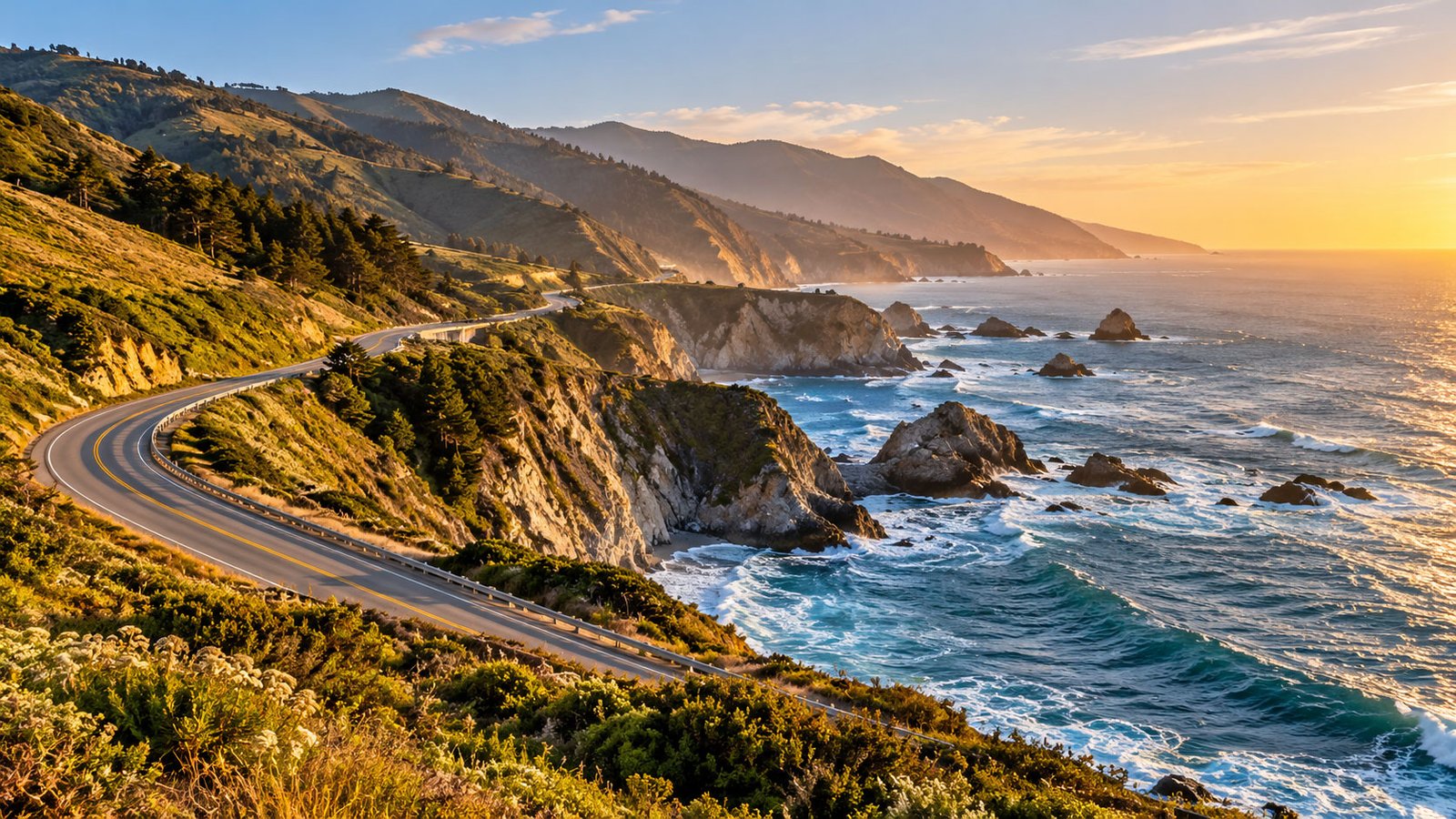
Discover California’s dramatic Pacific coastline along scenic Highway 1 near Big Sur.
Best Places to Visit in California
California combines beautiful Pacific beaches, world-famous cities, scenic coastal highways, mountain landscapes and remarkable national parks. Whether you are planning a family holiday, a coastal road trip or an outdoor adventure, there are plenty of places to visit in California to suit different interests and travel styles.
The key is choosing destinations that fit your schedule. San Francisco offers iconic landmarks and waterfront experiences, Yosemite National Park is known for its dramatic natural scenery, and Santa Monica combines beach life with shopping and entertainment. Further south, San Diego appeals to families and beach lovers, while Lake Tahoe and Joshua Tree offer very different outdoor experiences.
Because California is a large state, visiting every major attraction in a single trip is rarely practical. Use this guide to choose destinations that work together geographically, then check seasonal conditions and travel arrangements before setting off.
1. San Francisco: Iconic Landmarks and Waterfront Attractions
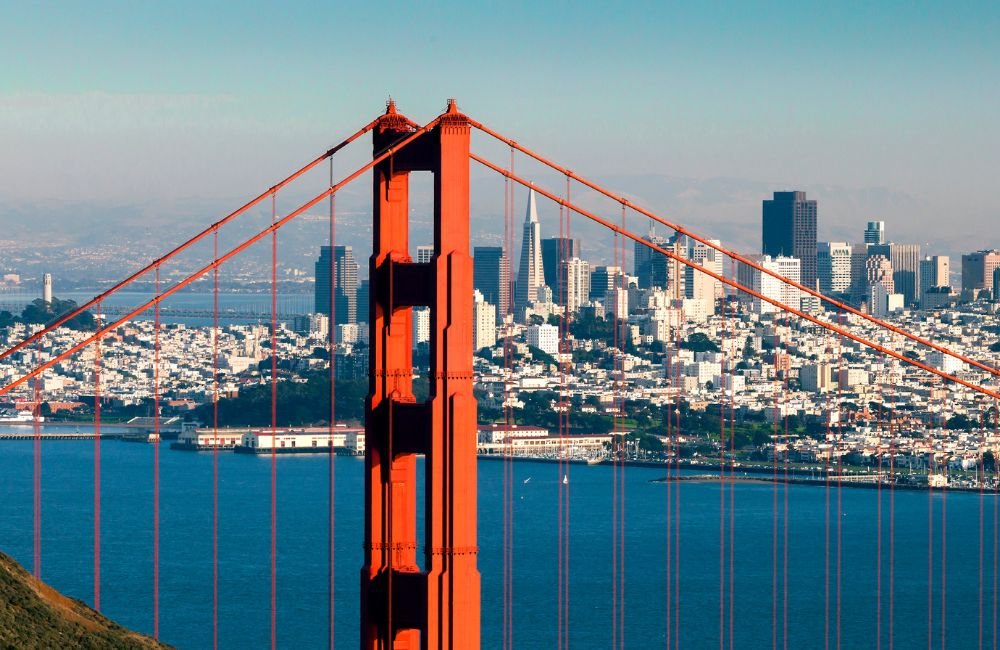
San Francisco is one of California’s best-known destinations. Its distinctive neighborhoods, historic cable cars, waterfront scenery and recognizable landmarks make it an appealing starting point for a first visit to the state.
The Golden Gate Bridge is an essential stop for panoramic views of San Francisco Bay. Visitors can admire the bridge from designated viewpoints, explore nearby waterfront areas and enjoy the city’s changing skyline.
Fisherman’s Wharf is another popular area, with seafood restaurants, shops and access to waterfront activities. For an experience focused on history, consider visiting Alcatraz Island, the former federal penitentiary in San Francisco Bay.
Alcatraz requires ferry transportation operated by its authorized provider. Advance booking is advisable because popular departures can sell out, particularly during busy travel periods.
San Francisco also rewards travelers who explore beyond the main attractions. Its neighborhoods offer different food, architecture, shopping and cultural experiences, making the city suitable for a multi-day stay.
Travel tip: Wear comfortable shoes and prepare for changing weather. Conditions can feel cool and windy near the waterfront even when other parts of California are warm.
2. Yosemite National Park: Dramatic Landscapes and Outdoor Adventures
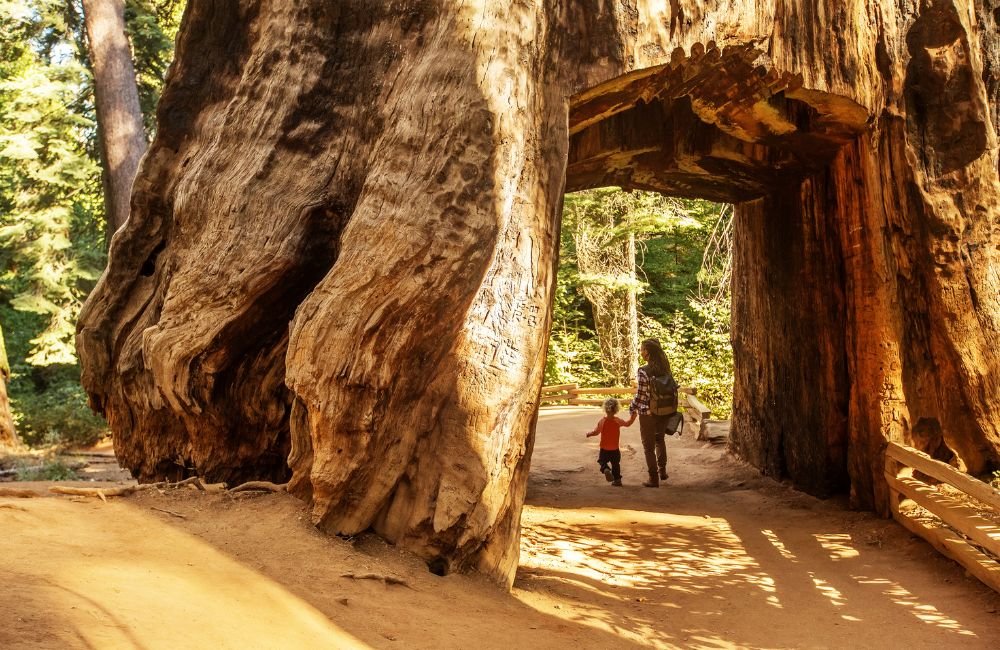
Yosemite National Park is one of California’s most remarkable natural destinations. Located in the Sierra Nevada, it features towering granite cliffs, waterfalls, meadows, forests and mountain scenery.
Yosemite Valley is a natural starting point for many first-time visitors. The valley offers views of major landmarks, including El Capitan and Half Dome, as well as access to walks, viewpoints and other outdoor experiences.
The park also contains ancient giant sequoias, extensive wilderness areas and a variety of hiking opportunities. The experience changes considerably with the seasons, so the best itinerary depends on which roads, trails and facilities are accessible during your visit.
Spring can bring impressive waterfall flows, while summer generally offers more opportunities to explore higher-elevation areas. Autumn brings seasonal color to parts of the region, and winter can transform the park with snow and icy conditions.
Travel tip: Yosemite is a destination worth planning in advance. Check the National Park Service’s official visitor information for current road conditions, trail closures, weather alerts and entry requirements. Reserve accommodation and camping well ahead of busy periods.
3. Redwood National and State Parks: Discover California’s Ancient Forests
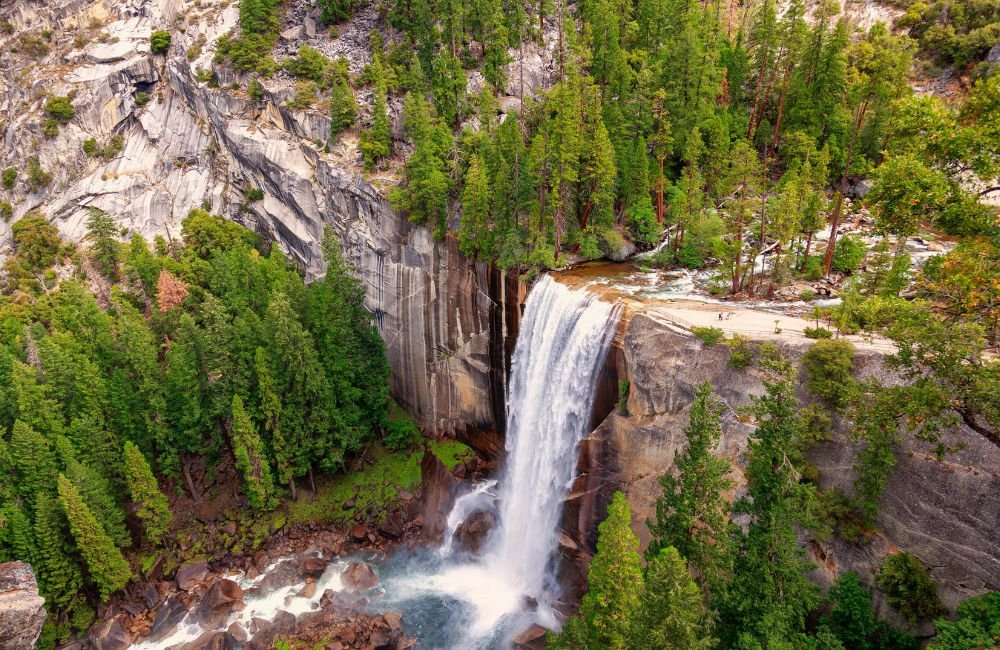
Northern California offers a very different experience from the state’s busy coastal cities. Redwood National and State Parks protect vast areas of old-growth redwood forest, coastal scenery and diverse wildlife habitats.
The region is known for its enormous trees, shaded walking trails and opportunities to experience nature at a slower pace. Visitors can combine forest walks with scenic drives and stops along the northern California coast.
Rather than treating the redwoods as a single viewpoint, allow time to explore different sections of the protected landscape. Trails, visitor centers and coastal areas are spread across a broad region, so planning the route matters.
This destination is particularly appealing to photographers, nature enthusiasts and travelers looking to escape the pace of major metropolitan areas.
Travel tip: Download official park maps and review current conditions before traveling. GPS directions can be unreliable in parts of the park, and storms or other hazards can temporarily close roads and trails.
4. Monterey and Big Sur: A Memorable Pacific Coast Journey
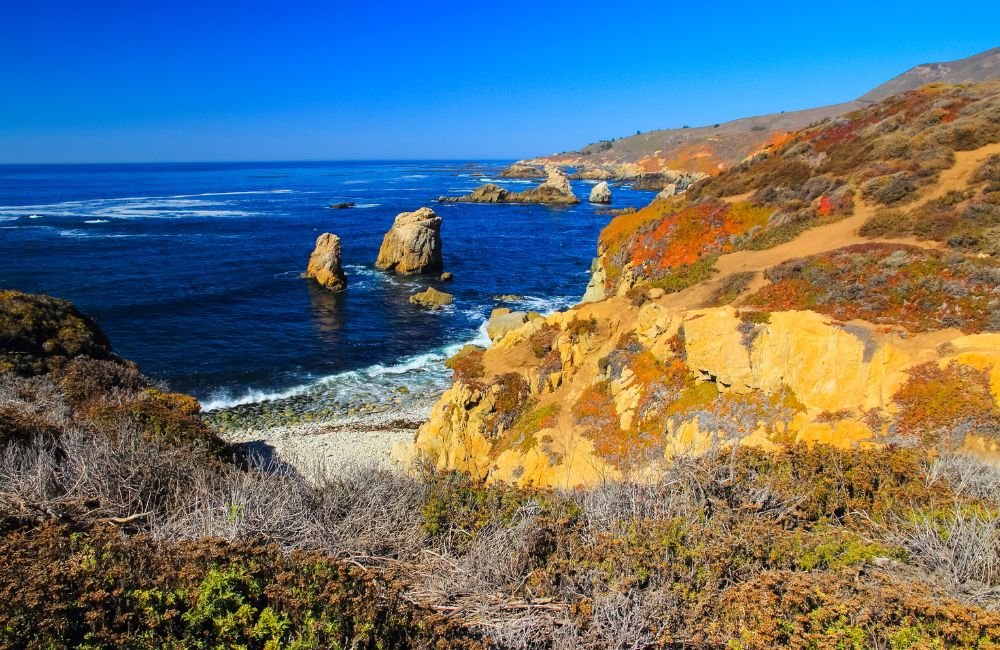
For travelers who enjoy ocean views and scenic drives, California’s Central Coast offers some of the state’s most distinctive landscapes.
Monterey combines coastal scenery, maritime history and waterfront attractions. Cannery Row is a popular area to explore, while the surrounding coastline provides opportunities for walks and wildlife viewing. The Monterey Bay Aquarium is another major attraction for visitors interested in marine life.
South of Monterey, the Big Sur coastline is known for its rugged cliffs, ocean viewpoints and winding sections of Highway 1. The area is well suited to a road trip with planned stops for photography, short walks and time outdoors.
The journey is part of the experience. Rather than rushing through the route, allow time for scenic viewpoints and local attractions.
Travel tip: Highway 1 is vulnerable to disruption from storms, landslides and road work. Check Caltrans road information before departure, especially if your itinerary depends on driving through Big Sur. Do not assume that every coastal road or trail will be accessible when you arrive.
5. Santa Monica and Los Angeles: Beaches, Shopping and Entertainment
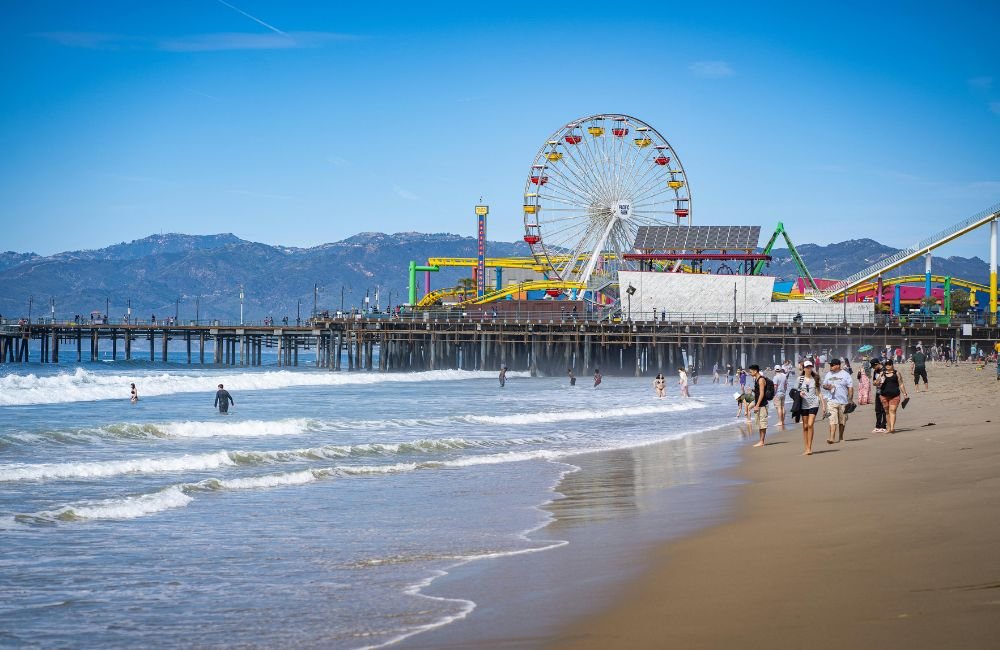
Santa Monica is a major highlight for travelers exploring the Los Angeles area. It combines a broad sandy beach, a historic pier, shopping districts, galleries and an outdoor lifestyle associated with Southern California.
It also provides a useful contrast to Los Angeles’s larger urban attractions, offering visitors the opportunity to spend time beside the Pacific Ocean without giving up access to restaurants, shops and entertainment.
Santa Monica Pier
The Santa Monica Pier is one of the city’s most recognizable landmarks. Its attractions include Pacific Park, amusement rides, the Ferris wheel, restaurants, shops and ocean views.
The Pier is open to visitors during bridge replacement work, although access routes, detours and parking arrangements can change. Individual businesses maintain their own operating schedules, so check the official Pier website before planning activities around a particular attraction.
Santa Monica State Beach and the Coastal Bike Path
Santa Monica State Beach is a popular place for swimming where conditions permit, sunbathing, walking and enjoying views of the Pacific. Visitors can also explore the coastal bike path, part of the Marvin Braude Bike Trail, which runs along the Los Angeles coastline.
Cycling offers a different perspective on the beach and surrounding communities. Follow posted rules, watch for pedestrians and check local guidance before renting a bicycle or using a shared mobility service.
Third Street Promenade
Third Street Promenade is a pedestrian-oriented shopping and entertainment district in downtown Santa Monica. It offers shops, dining, street performances and access to nearby downtown attractions.
Its central location makes it convenient to combine with a visit to the Pier, although the two areas should not be treated as a substitute for exploring the wider Los Angeles region.
Main Street and Montana Avenue
Main Street appeals to visitors who prefer independent shops, cafés, restaurants and a more neighborhood-oriented atmosphere. Montana Avenue offers another shopping and dining area, with boutiques and cafés that provide a quieter alternative to the main tourist districts.
These areas are worth considering if you have extra time after visiting the beach and Pier.
Bergamot Station Arts Center
Bergamot Station is a cultural destination for visitors interested in art and creative spaces. The complex hosts galleries, exhibitions, performances and other cultural events.
Gallery schedules and programming vary, so confirm opening arrangements with the individual venue before making a special trip.
Santa Monica Farmers Markets
Santa Monica’s farmers markets provide an opportunity to explore local produce, flowers, prepared food and California-grown ingredients.
The main regular markets include:
- Downtown Farmers Market: Wednesdays and Saturdays, 8 a.m. to 1 p.m., around Arizona Avenue and Second Street.
- Pico Farmers Market: Saturdays, 8 a.m. to 1 p.m., at Virginia Avenue Park.
- Main Street Farmers Market: Sundays, 8:30 a.m. to 1:30 p.m., at 2640 Main Street.
Check the official market information before visiting, as schedules and arrangements can change.
Other Los Angeles Attractions
Santa Monica can serve as one part of a wider Los Angeles itinerary. Travelers interested in movies and entertainment may consider Universal Studios Hollywood, while families planning a theme-park holiday may include Disneyland Resort in Anaheim.
These are separate destinations rather than attractions within Santa Monica. Allow dedicated time for theme parks and check their official calendars, admission conditions and operating hours. Traffic can substantially affect driving times across the region.
6. San Diego: Beaches, Culture and Family Attractions
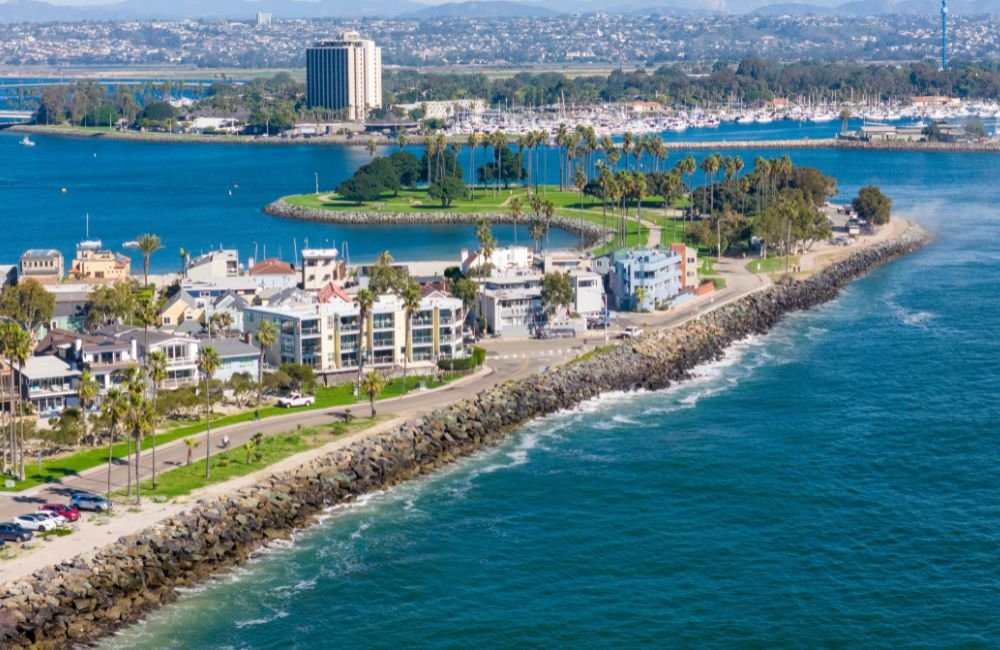
Located in Southern California near the Mexican border, San Diego combines a waterfront setting with beaches, museums, historic neighborhoods and outdoor recreation.
Balboa Park is a major attraction, with gardens, museums and cultural institutions within a large urban park. Visitors can spend time exploring its grounds or select individual attractions based on their interests.
The city’s beaches and waterfront areas offer a more relaxed side of the destination. Travelers can enjoy coastal walks, explore different neighborhoods and sample the local dining scene.
Families may also consider San Diego’s major animal and marine attractions, checking individual websites for admission arrangements and opening schedules.
San Diego works well as a destination in its own right rather than simply a brief stop on a rushed statewide itinerary. Its range of outdoor and cultural experiences makes it suitable for couples, families and longer stays.
Travel tip: Choose accommodation based on the neighborhoods and attractions you intend to visit. This can help reduce unnecessary travel across the metropolitan area.
7. Lake Tahoe: Mountain Scenery and Outdoor Recreation
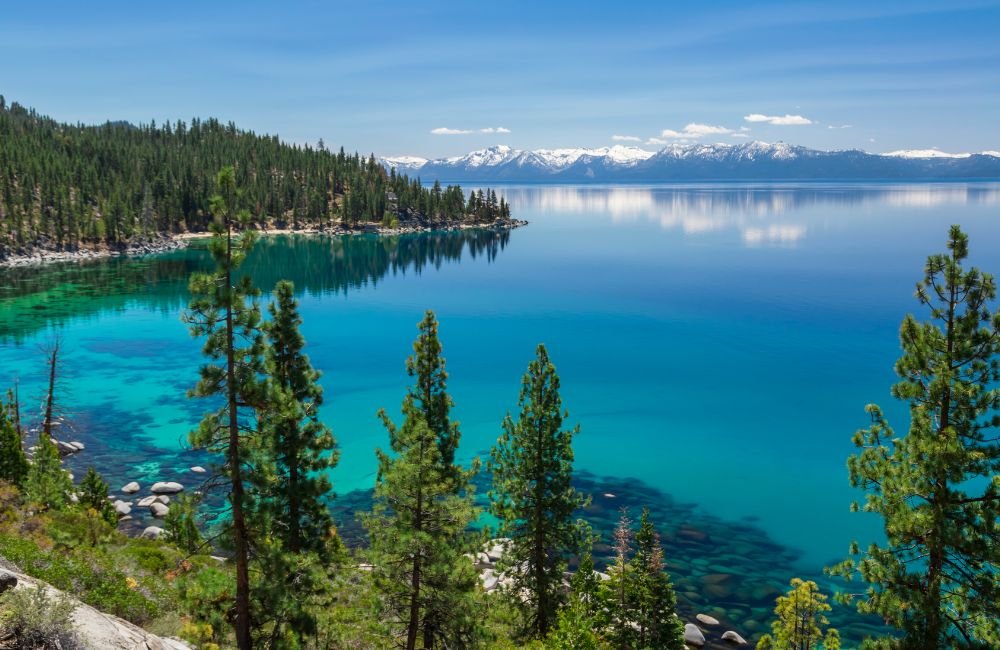
Lake Tahoe, on the California–Nevada border, is known for clear blue water, mountain scenery and outdoor activities throughout the year.
During warmer months, visitors can explore the shoreline, enjoy designated swimming areas, walk scenic trails and take in views of the surrounding peaks. The region also attracts travelers interested in water-based recreation and photography.
In winter, Lake Tahoe becomes a destination for snow sports, with ski resorts and winter activities around the lake and nearby mountains.
The experience depends on the time of year and weather. Snow, icy roads and seasonal conditions can affect driving and access, while popular summer areas can become busy during holidays.
Travel tip: Check the forecast, highway conditions and any applicable chain controls before driving in winter. During warmer months, check local rules and conditions for beaches, trails and water activities.
8. Joshua Tree National Park: Desert Landscapes and Stargazing
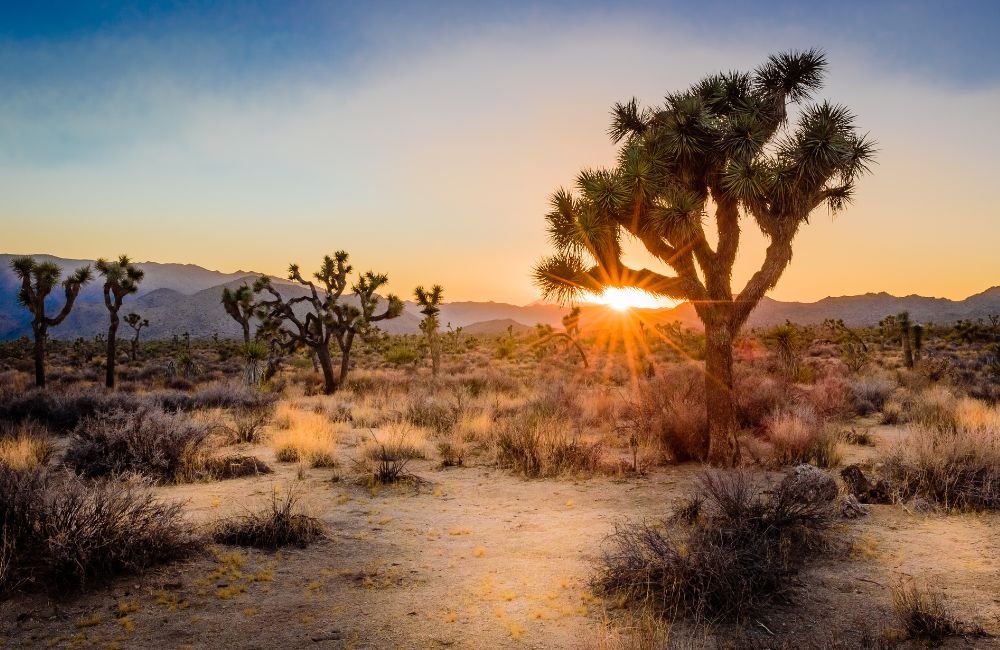
Sunset over the desert landscape of Joshua Tree National Park, California.
Joshua Tree National Park showcases another side of California. Located in the desert region of Southern California, the park is known for its distinctive rock formations, desert vegetation and wide-open landscapes.
Visitors can explore designated trails, enjoy scenic drives, photograph the desert scenery and experience the park’s night skies when conditions allow.
The landscape changes with the seasons, and temperatures can vary dramatically. Summer heat can make exposed hiking particularly challenging, while cooler months generally offer more comfortable conditions for outdoor exploration.
Joshua Tree is a strong choice for travelers interested in desert scenery, photography and outdoor adventures. It also offers a contrast to the beaches and cities found elsewhere in Southern California.
Travel tip: Check the National Park Service’s current conditions before departure. Carry sufficient water, protect yourself from the sun and follow posted safety guidance. Park conditions can change quickly, even when the weather forecast appears favorable.
How to Plan a Trip Around California
The best itinerary depends on how much time you have and what you want to experience. California offers enough variety for several different holidays, but distances between destinations can be substantial.
Choose destinations by region
For a city-and-coast holiday, consider San Francisco and the Central Coast. For a Southern California trip, focus on Santa Monica, Los Angeles and San Diego. Nature-focused travelers may prefer Yosemite, the redwood parks, Lake Tahoe or Joshua Tree.
Trying to cover the entire state in a few days can leave little time to enjoy individual places. A more focused route usually provides a better travel experience.
Consider weather and seasonality
California does not have one uniform climate. Coastal areas can be cool and foggy even when inland locations are warm. Desert destinations experience significant heat, while mountain regions can have snow and seasonal road restrictions.
Spring and autumn can be comfortable periods for many itineraries, but the best season depends on your chosen destinations and activities. Summer is popular for travel, while higher elevations and winter sports areas follow their own seasonal patterns.
Check regional forecasts rather than relying on a single statewide weather report.
Check transport and attraction arrangements
Before leaving, confirm road conditions, park alerts, accommodation and attraction schedules. Popular ferry trips, theme parks and overnight stays may require advance arrangements.
A car can be useful for exploring rural areas and scenic routes, but public transportation can be practical for parts of the Los Angeles and San Francisco regions. Choose transport according to the places you plan to visit rather than assuming a single arrangement will suit the entire trip.
Leave room for unexpected changes
Coastal weather, road closures, seasonal conditions and special events can affect travel plans. Build flexibility into your schedule, particularly when visiting national parks or taking long scenic drives.
Having an alternative activity or route makes it easier to adapt without sacrificing the overall trip.
Frequently Asked Questions
What are the best places to visit in California for first-time travelers?
San Francisco, Yosemite National Park, the Central Coast, Santa Monica and San Diego offer a useful introduction to California’s cities, coastlines and natural landscapes. The best combination depends on the length of your holiday and your interests.
What are the best places to visit in California with family?
Santa Monica, the wider Los Angeles area, San Diego and selected national park destinations offer a mix of beaches, cultural attractions, outdoor activities and family-oriented entertainment. Check activity suitability, travel distances and attraction entry requirements before booking.
Is California suitable for a road trip?
Yes. California has major highways, scenic coastal drives, mountain routes and varied landscapes that suit road-trip travel. However, journey times, traffic, weather and road access can vary, so check current conditions and avoid planning overly ambitious driving days.
How many days are needed to explore California?
There is no single ideal duration because California is geographically large and its destinations offer very different experiences. A shorter holiday is generally better spent in one region, while a longer trip allows more time to combine cities, coastal areas and national parks.
Final Thoughts
California offers a wide range of experiences, from San Francisco’s landmarks and the beaches of Santa Monica to Yosemite’s mountain scenery, the redwoods of the north and the desert landscapes of Joshua Tree.
The most rewarding trip is not necessarily the one with the longest list of stops. Choose destinations that fit your interests, allow enough time to explore them and check current conditions before you travel. With thoughtful planning, California can offer an excellent holiday for families, couples, outdoor enthusiasts and first-time visitors alike.
