
Why Is Dental Tourism in Thailand On The Rise?
Thailand has long attracted international visitors with its beaches, cuisine, culture and hospitality. In recent years, the country has also strengthened its position as a destination for international healthcare.
One area that attracts overseas patients is dental tourism in Thailand. International visitors may travel to Thailand for treatments such as dental implants, crowns, bridges, orthodontics and cosmetic dentistry.
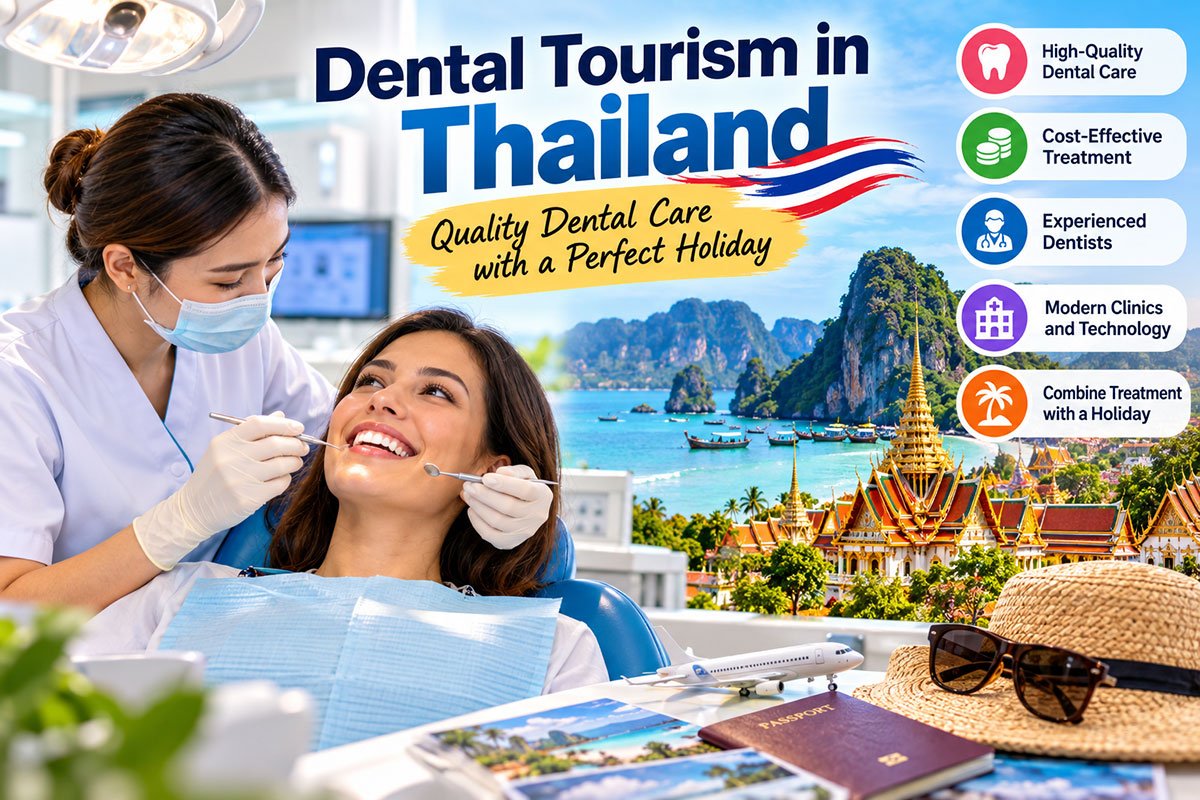
The country’s established tourism infrastructure adds another advantage. Patients can combine treatment with accommodation, transportation and leisure activities when their medical team considers travel appropriate.
Thailand is also actively developing its wider healthcare and medical-tourism sector. The Thai government has a Global Health Hub strategy for 2025–2034, covering healthcare services, medical innovation, human resources and international health tourism. Thailand Government
Competitive Dental Treatment Costs
Cost is one of the major reasons people investigate dental treatment abroad.
Dental procedures can be expensive in countries such as the United States, Canada, the United Kingdom and parts of Europe. Thailand may offer lower prices for some procedures, although actual costs vary considerably between clinics, dentists, materials and treatments.
The old claim that dental treatment in Thailand is always 60–80% cheaper is too broad to use as a current fact. Patients should compare complete treatment plans rather than relying on a percentage advertised online.
A proper comparison should include:
- Dentist consultation fees
- Diagnostic tests and imaging
- Dental treatment
- Laboratory charges
- Implant or restorative materials
- Medication
- Follow-up appointments
- Accommodation
- Flights and local transportation
- Insurance and unexpected expenses
A lower quoted treatment price does not necessarily mean a lower overall trip cost.
Qualified and Regulated Dentists
International patients should also consider the qualifications of the dentist providing their treatment.
Thailand has a national regulatory body, the Dental Council of Thailand, which provides a dentist verification service. Patients can search for a dentist by name to check whether the practitioner holds a professional licence. Dental Council
This provides an important step for anyone considering dental tourism in Thailand.
Before booking treatment, check:
- The dentist’s full name.
- Professional registration.
- Relevant specialist qualifications.
- Experience with the planned procedure.
- The clinic’s credentials and facilities.
- The treatment plan and expected follow-up care.
The Dental Council also publishes statistics covering registered dental professionals and specialist qualifications. Its current statistics page includes data updated in 2026. Dental Council
Modern Dental Clinics and Healthcare Facilities
Thailand’s private healthcare sector includes modern hospitals and specialist clinics serving both local and international patients.
Dental services can include routine treatment as well as more complex procedures. Depending on the provider, international patients may find services such as:
- Dental implants
- Crowns and bridges
- Root canal treatment
- Orthodontics
- Cosmetic dentistry
- Oral surgery
- Periodontal treatment
- Preventive dental care
- Full-mouth rehabilitation
However, facilities and expertise vary between providers. Patients should therefore assess the individual dentist and clinic, rather than assuming every dental facility offers the same standard of care.
Thailand’s Ministry of Public Health has also promoted the country as an international dental hub. A government initiative has specifically highlighted high-potential dental services for international visitors and discussed systems for finding dental clinics and specialist dentists. HSS Public Relations
Convenient Services for International Patients
Language and communication can influence the overall experience of receiving dental treatment abroad.
Many private healthcare providers serving international patients offer English-language communication and assistance with appointments. Some facilities may also provide additional language support.
Before travelling, ask the clinic whether it can provide:
- English-speaking staff
- Written treatment plans
- Digital or email consultations
- Airport or local transportation assistance
- Appointment scheduling
- Interpreter services
- Detailed invoices
- Post-treatment communication
Clear communication becomes particularly important for complex procedures that require several appointments.
Thailand Offers More Than Dental Treatment
Thailand’s tourism infrastructure is another reason the country appeals to dental travelers.
Bangkok, Phuket, Chiang Mai, Pattaya and other destinations offer a wide range of hotels, restaurants, transport services and tourist attractions. Patients may therefore combine a dental appointment with a longer stay.
However, dental treatment should remain the priority.
After procedures such as oral surgery or dental implants, your dentist may recommend rest and restrict certain activities. Patients should follow professional advice instead of planning an intensive holiday immediately after treatment.
Travel plans should also allow enough time for unexpected follow-up appointments.
Dental Tourism Requires Careful Planning
Travelling abroad for dental care is different from taking an ordinary holiday.
Before booking your trip, request a detailed treatment plan from the clinic. If possible, provide recent dental records, X-rays and other relevant information.
Ask the dentist:
- What treatment do I need?
- How many appointments are necessary?
- How long will the treatment take?
- What materials will you use?
- Who will perform the procedure?
- What happens if complications occur?
- Will I need follow-up treatment?
- How should I manage my care after returning home?
These questions can help you understand the real cost and commitment involved.
Check Your Dentist Before Treatment
One of the most important steps for international dental patients is verifying the practitioner.
The Dental Council of Thailand provides an online system that allows members of the public to check whether a dentist is licensed. The council specifically advises patients to verify the dentist’s name and professional status before receiving dental treatment. Dental Council
This is especially important when arranging treatment through an online travel agency, medical-tourism company or social media advertisement.
Do not rely solely on photographs, testimonials or promotional claims.
Consider Aftercare Before You Travel
Dental treatment does not necessarily end when you leave the clinic.
Some procedures require follow-up examinations, adjustments or additional treatment. This is particularly important for extensive restorative work and dental implants.
Ask the clinic how it handles complications after an international patient returns home.
You should also discuss your plans with your regular dentist at home. A local dentist may be able to advise you about ongoing maintenance and future care.
What Are the Risks of Dental Tourism?
Dental tourism can offer advantages, but international patients should understand the potential risks.
Different countries may have different regulations, treatment protocols and professional systems. Travelling soon after surgery may also create additional challenges.
Potential concerns include:
- Inadequate treatment planning
- Communication difficulties
- Unexpected additional costs
- Complications after returning home
- Difficulty arranging follow-up treatment
- Travel-related problems after dental procedures
- Differences in materials or treatment approaches
These risks do not mean that patients should avoid overseas dental care. They highlight the importance of researching the provider carefully.
Thailand’s Growing Global Health Role
Thailand’s dental-tourism sector forms part of a broader effort to develop international healthcare.
The Thai government describes its 2025–2034 Global Health Hub strategy as an effort to strengthen Thailand’s position as an international health centre. The strategy includes healthcare services, medical innovation, human-resource development and international marketing. Thailand Government
Thailand has also continued developing systems connected with health and travel services. The Ministry of Public Health’s travel-health database allows people to find evaluated travel-medicine service units and check available services. Travel Health
These developments support Thailand’s broader medical-tourism infrastructure.
Is Dental Tourism in Thailand Right for You?
Dental tourism in Thailand can make sense for patients who want to explore international treatment options while visiting an established tourism destination.
The combination of potentially competitive treatment prices, qualified professionals, modern private healthcare facilities and strong tourism infrastructure makes Thailand an attractive option for some international patients.
However, the cheapest treatment is not always the best choice.
Focus on the dentist’s qualifications, clinic standards, treatment plan, materials, total costs and aftercare arrangements. Verify professional registration through the Dental Council of Thailand and obtain independent advice when appropriate. Dental Council
Most importantly, discuss major dental treatment with a qualified dental professional before making travel arrangements.
Final Thoughts
The growth of dental tourism in Thailand reflects the country’s broader development as an international healthcare and tourism destination. Patients can potentially combine dental care with the convenience of Thailand’s established travel infrastructure.
But good dental tourism requires more than finding an attractive price.
Research the dentist, verify the clinic, understand the complete treatment plan and plan your aftercare before you travel. This approach can help international patients make a more informed decision about dental treatment in Thailand.
Current update: Thailand continues to promote itself as a global health hub under its 2025–2034 strategy, while the Dental Council maintains online dentist-verification services for the public.
