
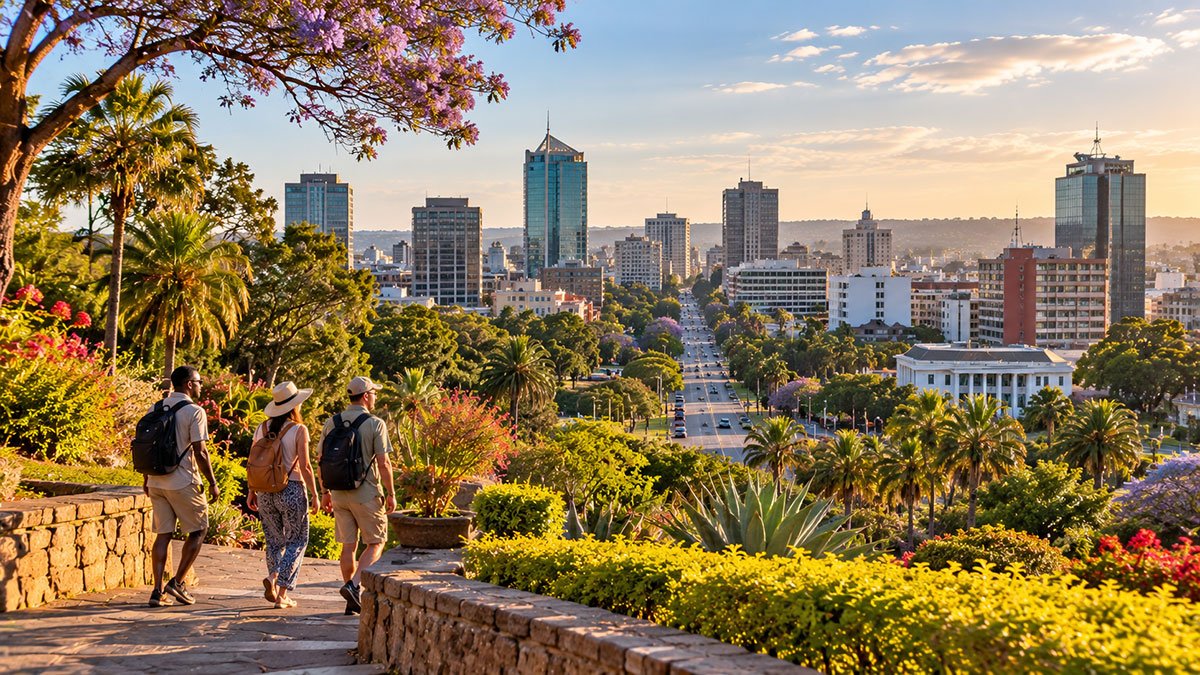
Discover Harare, Zimbabwe, where leafy green spaces meet the energy of a modern African capital.
Harare Zimbabwe Travel Guide: Culture, Nature and Practical Tips
Harare, the capital of Zimbabwe, offers a different perspective on African travel. Beyond its commercial districts and modern buildings, the city has art galleries, leafy parks, lively neighbourhoods and access to nature reserves where visitors can encounter some of the country’s wildlife.
A Harare Zimbabwe travel guide is useful for anyone planning a city break, a cultural holiday or a stop before travelling to Zimbabwe’s better-known safari destinations. You can explore contemporary Zimbabwean art, spend time in indigenous woodland, enjoy local food and arrange an excursion to Lake Chivero.
Harare is not a substitute for a multi-day safari in a major national park. However, it offers enough cultural and outdoor experiences to justify spending time in the city rather than treating it simply as an airport stop.
Why Visit Harare?
Harare combines the practical advantages of a capital city with access to Zimbabwean culture and natural surroundings.
Its attractions include galleries, gardens, restaurants, wildlife reserves and distinctive urban architecture. Visitors can explore the city independently, arrange guided excursions or use Harare as a starting point for a longer journey through Zimbabwe.
The city also offers opportunities to learn about Zimbabwean artistic traditions, including Shona stone sculpture, contemporary painting and other visual arts.
For travellers who enjoy combining culture with nature, Harare provides a useful balance between city sightseeing and outdoor experiences.
Best Things to Do in Harare
1. Explore the National Gallery of Zimbabwe
The National Gallery of Zimbabwe is an important stop for visitors interested in the country’s visual arts and cultural heritage.
Located on Julius Nyerere Way in central Harare, the gallery presents exhibitions and programmes featuring Zimbabwean artists and other artistic perspectives. Its exhibitions provide an opportunity to explore contemporary creative work rather than relying solely on conventional historical displays.
The gallery is also a useful introduction to Zimbabwean sculpture, painting and other artistic practices. Depending on the exhibitions available during your visit, you may discover different approaches to identity, culture, materials and contemporary life.
Plan enough time to explore the current displays and ask about guided tours if you would like additional context.
Practical tip: The gallery currently publishes regular visiting hours of 9:00 am to 4:30 pm and indicates that it closes on public holidays. Check its official visitor page before travelling, as schedules and admission arrangements can change.
2. Discover Wildlife at Mukuvisi Woodlands
You do not need to travel deep into the countryside to experience some of Zimbabwe’s natural environment.
Mukuvisi Woodlands is an urban nature reserve and environmental education centre in Harare’s Hillside area. It protects indigenous woodland and provides opportunities for walking, wildlife viewing and learning about local ecosystems.
Marked trails allow visitors to explore the surroundings at different distances. The reserve also offers activities such as guided walks and horseback wildlife experiences, subject to availability and advance arrangements.
Wildlife you may encounter includes zebra, giraffe, eland, impala and a variety of birds. Sightings depend on conditions, animal movements and the particular area you visit.
Mukuvisi is especially suitable for travellers who have limited time in Harare but want to include nature in their itinerary. Families and visitors interested in conservation may also appreciate its educational activities.
Before visiting: Check the reserve’s official website for opening hours, trail access, activity availability and current fees. Guided horseback experiences should be arranged in advance where required.
3. Take a Day Trip to Lake Chivero Recreational Park
Lake Chivero Recreational Park is southwest of Harare and offers a change of pace from the city.
The park and its surrounding landscapes provide opportunities for birdwatching, wildlife viewing, boating and other outdoor recreation, depending on the facilities and activities operating at the time of your visit.
Lake Chivero is associated with a range of wildlife, including white rhinoceros in the wider protected area. However, seeing any particular animal is never guaranteed.
The setting is also appealing to photographers and visitors who enjoy open landscapes, water views and time outdoors. A visit can provide an introduction to Zimbabwe’s natural surroundings without requiring an extended journey to a distant national park.
Treat Lake Chivero as a separate excursion rather than trying to combine every attraction into one busy day. Arrange transport in advance and confirm access, available activities and accommodation directly with the relevant park operator.
The Zimbabwe Parks and Wildlife Management Authority, commonly known as ZimParks, provides official park information and a reservations platform.
4. Spend Time in Harare Gardens
Harare Gardens offers a green space within the city and can provide a welcome pause between visits to galleries, shops and other central attractions.
A stroll through a public garden is also a simple way to appreciate the city’s everyday atmosphere rather than concentrating entirely on formal sightseeing.
Conditions and the availability of facilities can vary. Check local information before arranging a picnic or planning a visit around a particular event.
The city’s official website provides information about parks and other public spaces in Harare.
5. Appreciate Harare’s Architecture
Harare’s architecture reflects different periods of the city’s development, from established public buildings to contemporary commercial structures.
One notable example is Eastgate Centre, known internationally for its passive-cooling design inspired by the ventilation principles of termite mounds. The building provides an interesting point of reference for visitors interested in architecture and sustainable design.
You can also observe the changing character of the city through its streets, commercial areas and public buildings.
Remember that commercial buildings are working premises, not necessarily visitor attractions. Check access arrangements before planning an interior visit or guided architectural tour.
6. Explore Zimbabwean Art and Craft Traditions
Zimbabwe has a strong tradition of stone sculpture and other visual arts. Harare provides opportunities to explore these traditions through galleries, studios and craft-related experiences.
The National Gallery of Zimbabwe is a useful starting point for understanding the country’s contemporary art scene. Additional opportunities may be available through local artists, workshops and cultural venues.
If you would like to purchase artwork or souvenirs, take time to learn about the artist, material and production process. For substantial purchases, particularly sculptures or valuable artworks, ask about provenance, transport and any export documentation required.
This approach can help turn a simple shopping stop into a more meaningful cultural experience.
What to Eat in Harare
Exploring local food is an important part of experiencing Zimbabwe. Harare offers restaurants, cafés and casual dining options where visitors can encounter traditional dishes alongside international cuisine.
Sadza and Traditional Relishes
Sadza is a staple food in Zimbabwe, typically prepared from maize meal and served with a relish or stew.
Depending on the establishment, it may accompany meat, leafy vegetables, beans or other ingredients. It is a practical starting point for visitors who want to try everyday Zimbabwean food.
Nyama and Grilled Meats
Nyama, meaning meat, features prominently in many Zimbabwean meals. Grilled or roasted meat may be served with sadza, vegetables and sauces.
Preparation and seasoning vary between restaurants, so ask about the house speciality or choose a mixed meal if you want to sample several accompaniments.
Traditional Drinks and Local Cafés
Harare’s cafés and restaurants offer a range of beverages, from familiar coffee and tea to locally prepared drinks.
Availability varies by venue. Ask about non-alcoholic options if you are interested in trying something different, and check ingredients where you have dietary restrictions.
Where to Find Local Food
Explore established restaurants, hotel dining rooms and reputable cafés, particularly when you are unfamiliar with the city. A knowledgeable local guide or your accommodation provider can also recommend places according to your budget and food preferences.
As in any destination, observe normal food and water precautions. Follow local advice about drinking water and choose dining establishments that maintain appropriate food-handling standards.
A Suggested Two-Day Harare Itinerary
Two days provides a useful introduction to the city and allows time for an outdoor excursion without rushing through every attraction.
Day 1: Art, Gardens and City Life
Begin with a visit to the National Gallery of Zimbabwe, allowing enough time to explore the current exhibitions.
Continue with lunch at a nearby restaurant or café, then spend part of the afternoon exploring the surrounding central area and Harare Gardens.
Later, enjoy a relaxed meal and sample local food. If you are interested in architecture, consider exploring the city’s commercial areas while respecting access restrictions at private buildings.
Day 2: Wildlife and Natural Surroundings
Spend the morning at Mukuvisi Woodlands, exploring its trails or arranging a guided activity.
Alternatively, devote the day to Lake Chivero Recreational Park if you prefer a broader outdoor excursion. Check access and transport arrangements beforehand, and leave sufficient time for the journey.
In the evening, return to Harare for dinner or prepare for the next stage of your Zimbabwe itinerary.
This plan is flexible. If you have only one day, choose either the gallery and central attractions or a wildlife-focused outing rather than trying to fit everything into a tight schedule.
When Is the Best Time to Visit Harare?
Harare can be visited throughout the year, but seasonal conditions influence outdoor activities and travel arrangements.
May to October: Zimbabwe’s cooler, drier season generally offers favourable conditions for walking and outdoor sightseeing. It is also a popular period for safari travel elsewhere in the country because vegetation tends to thin and wildlife can become easier to locate around water sources.
November to March: The main rainy season typically brings greener landscapes and seasonal rainfall. Outdoor activities can still be rewarding, but showers, thunderstorms and changing ground conditions may affect plans.
March to May: Conditions transition out of the main rainy season. Weather varies, so check the forecast when planning nature excursions.
These are broad seasonal patterns rather than guarantees for a particular week. Zimbabwe’s Meteorological Services Department publishes seasonal outlooks and weather information, which can help travellers prepare for changing conditions.
If a wildlife experience is central to your trip, contact the operator before travelling to confirm the activity is running and to understand what conditions to expect.
How to Get Around Harare
Your transport arrangements will depend on where you stay and which attractions you plan to visit.
Airport Transfers
Consider arranging an airport transfer through your hotel or a reputable local transport provider before arrival. Confirm the meeting point, payment arrangements and contact details in advance.
Keep your essential travel documents and contact information accessible in case of delays.
Getting Around the City
Harare has local transport services, including minibuses and taxis, but routes and payment arrangements may be unfamiliar to international visitors.
For planned excursions, a pre-arranged driver or established tour operator can simplify travel between attractions, particularly when visiting Mukuvisi Woodlands or Lake Chivero.
If you intend to hire a car, review local driving requirements, road conditions and the latest travel advice before departure.
Planning Day Trips
Do not assume that a nearby attraction will be easy to reach without preparation. Confirm the route, expected travel time, access arrangements and return transport before leaving the city.
For wildlife-related visits, arrange entry or guided experiences directly with the relevant operator.
Practical Travel Tips for Harare
A few preparations can make your visit more straightforward.
Check Entry Requirements Before Departure
Zimbabwe’s visa requirements depend on your nationality and travel circumstances. Check the official Zimbabwe eVisa website and the relevant immigration guidance before booking or travelling.
Confirm passport-validity requirements, whether you need a visa or travel authorisation, and whether you require any supporting documents.
Do not rely solely on a third-party booking website for immigration information.
Review Current Travel Advice
Consult your government’s current travel advice for Zimbabwe before departure, particularly the sections on safety, health, local laws and entry requirements.
The UK Foreign, Commonwealth & Development Office currently advises travellers to take precautions against theft, avoid political gatherings and remain alert to vehicle crime. Its guidance also notes that power cuts and water rationing can affect parts of the country.
This guidance is specific to UK travellers, so visitors of other nationalities should consult their own government’s advice as well.
Choose Accommodation Carefully
Before booking, confirm the property’s location, security arrangements and transport options.
Given reported power and water interruptions in Zimbabwe, it is sensible to ask whether accommodation has backup electricity and water arrangements. Confirm the facilities available during your dates instead of assuming that every property offers the same level of service.
Prepare for Payment and Connectivity
Check which currencies and payment methods are currently accepted by your accommodation, tour operators and other service providers. Zimbabwe’s monetary arrangements can change, so confirm practical payment details close to departure.
Ask your accommodation about mobile connectivity and internet access if you need to work or maintain regular communications during your visit.
Carry essential contact details offline and keep a secure copy of your travel documents.
Take Health Precautions
Consult a qualified travel-health professional before departure for advice tailored to your itinerary and medical needs.
Check current vaccination recommendations and any applicable entry health requirements. For example, a yellow fever vaccination certificate may be required when arriving from a country designated as a transmission risk under the applicable entry rules.
Pack any regular medication you need and make sure your insurance covers your planned activities and emergency medical expenses.
Is Harare Worth Visiting?
Harare is worth considering for travellers who want to understand more about Zimbabwe beyond its famous wildlife destinations.
The city offers contemporary art, cultural experiences, public green spaces and accessible wildlife experiences. Its restaurants and cafés provide further opportunities to discover local food and daily life.
Although Harare is not a replacement for a dedicated safari in one of Zimbabwe’s larger national parks, it can complement a wider itinerary or provide a rewarding city-focused visit in its own right.
Frequently Asked Questions About Harare
What are the main attractions in Harare?
The National Gallery of Zimbabwe, Mukuvisi Woodlands, Harare Gardens and the city’s contemporary architecture are useful starting points. Lake Chivero Recreational Park is an additional option for a day trip outside the city.
Can you see wildlife near Harare?
Yes. Mukuvisi Woodlands offers wildlife-viewing opportunities within the city, while Lake Chivero provides a broader natural setting nearby. Sightings depend on conditions and are never guaranteed.
Is Harare a good starting point for an African safari?
Harare can serve as a starting point for a wider Zimbabwe itinerary. For extended wildlife viewing, you will need to plan onward travel to suitable national parks or conservancies and book the relevant accommodation or guided experiences.
How many days should you spend in Harare?
One day can cover a small selection of central attractions. Two days provide more flexibility for combining the National Gallery with a wildlife experience or an excursion to Lake Chivero.
Do I need a visa to visit Zimbabwe?
Visa requirements depend on your nationality and circumstances. Check the official Zimbabwe eVisa portal and applicable immigration guidance before departure.
What should I know before travelling to Harare?
Confirm entry requirements, arrange reliable transfers, review current travel advice and check accommodation facilities. Plan outdoor excursions in advance and verify the latest opening arrangements and available activities directly with the operator.
Experience Harare Beyond the City Centre
Harare offers a distinctive combination of cultural attractions, everyday city life and access to Zimbabwe’s natural environment. The National Gallery of Zimbabwe provides a window into local art, Mukuvisi Woodlands brings wildlife closer to the city, and Lake Chivero offers an opportunity to spend time in a wider natural setting.
With sensible planning, reliable transport and attention to current travel advice, Harare can be a rewarding part of a Zimbabwe holiday—whether you stay for a short city break or use it as the beginning of a longer African adventure.
