
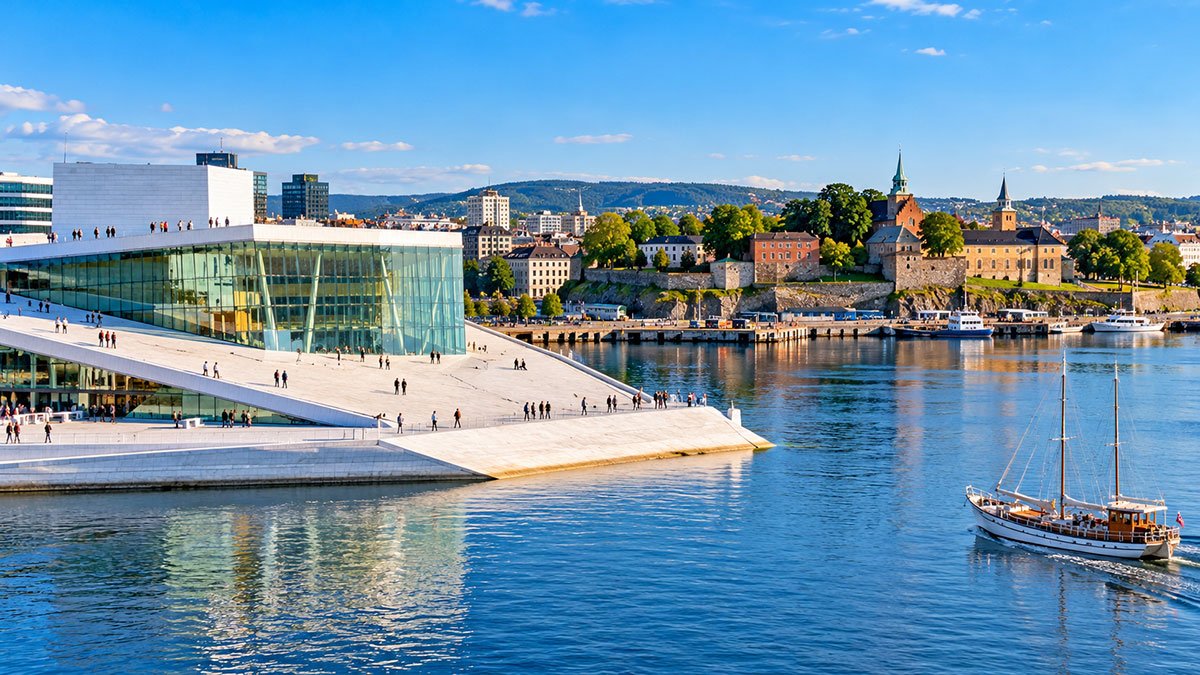
Explore Oslo in five hours, from the striking Opera House and scenic harbour to the historic walls of Akershus Fortress.
How to Spend 5 Hours in Oslo: A Practical Itinerary for a Short Visit
If you have 5 hours in Oslo, you can experience some of Norway’s capital’s most appealing sights without rushing from one end of the city to the other. The key is to concentrate on the historic city centre and waterfront, where striking modern architecture, centuries-old fortifications, scenic harbour views and inviting cafés come together.
Oslo offers a distinctive combination of urban culture and outdoor scenery. The city sits at the head of the Oslofjord, surrounded by wooded hills and waterways. Its attractions range from the contemporary design of the Norwegian National Opera and Ballet to the medieval ramparts of Akershus Fortress and the galleries of the MUNCH museum.
Five hours is not enough to explore everything in depth. However, a well-planned route will give you a rewarding introduction to the city, whether you are visiting on a cruise, taking a short city break or spending a few hours in Oslo between other activities.
Your 5-Hour Oslo Itinerary at a Glance
The following route focuses on central Oslo and the waterfront, with an optional visit to the Royal Palace area. It is best suited to visitors who already have five hours available in the city, excluding airport transfers or other travel to and from their starting point.
| Time | Activity | What to experience |
|---|---|---|
| First 40 minutes | Oslo Opera House | Modern architecture, harbour scenery and rooftop views |
| Next 20 minutes | Bjørvika waterfront | Contemporary buildings and views across the water |
| Next hour | Akershus Fortress | Historic fortifications, courtyards and harbour views |
| Next 30 minutes | Oslo City Hall area | Waterfront public spaces and distinctive architecture |
| Next 45 minutes | Aker Brygge | Lunch, coffee or a relaxed waterfront stroll |
| Next hour | Karl Johans gate and the Royal Palace area | The main city street, central landmarks and palace exterior |
| Remaining time | Flexible buffer | Allow for walking, photographs, public transport or your departure arrangements |
These timings are a planning framework rather than guaranteed visit durations. If you choose to enter a museum or take a guided tour, shorten the route elsewhere. Opening hours, weather, queues and onward travel can also affect how much you can see.
1. Start at the Oslo Opera House
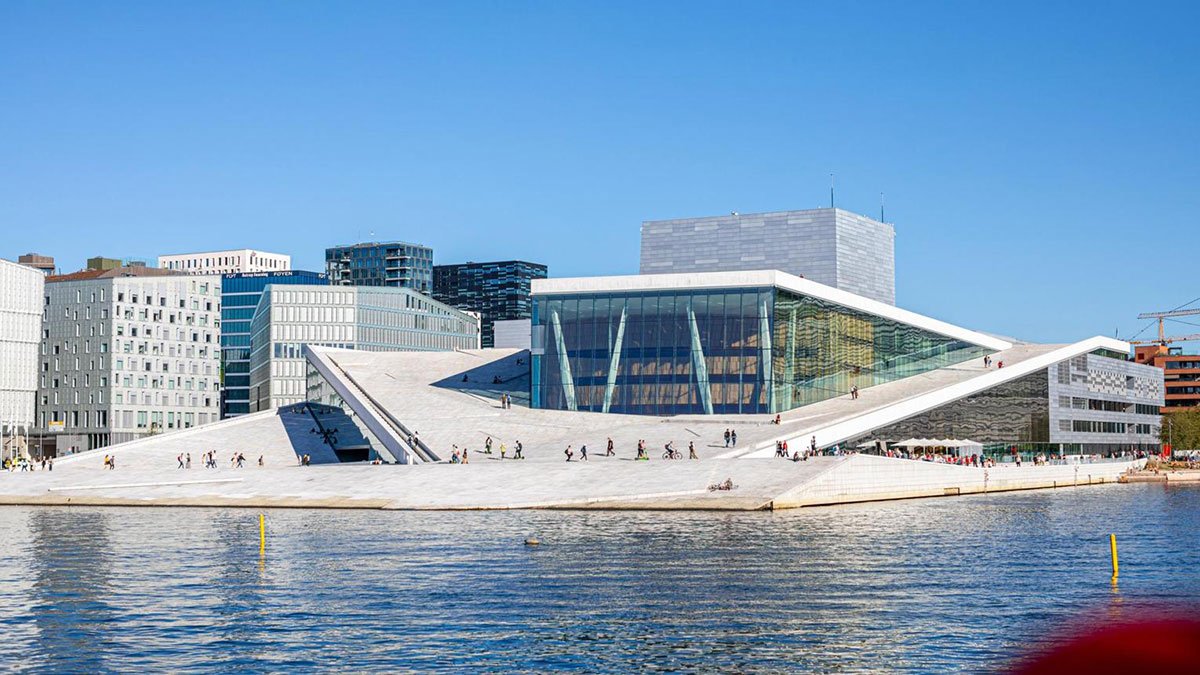
The Oslo Opera House is one of the city’s most recognisable landmarks and an excellent starting point for a short visit.
Designed by the Norwegian architecture firm Snøhetta, the building features a distinctive white marble and glass exterior that appears to rise directly from the water. Its angular roof forms an accessible public space, allowing visitors to walk up the sloping surfaces and enjoy views across the harbour and surrounding city.
You do not need to attend an opera or ballet performance to appreciate the building. Exploring the exterior, viewing the waterfront and taking photographs can make for a rewarding first stop.
Allow around 30–40 minutes for a brief visit, depending on how much time you spend on the roof and surrounding promenade.
Travel tip: The roof is exposed to the weather. Take care on wet, icy or snowy surfaces, and check access arrangements before visiting if conditions are poor.
2. Explore the Bjørvika Waterfront
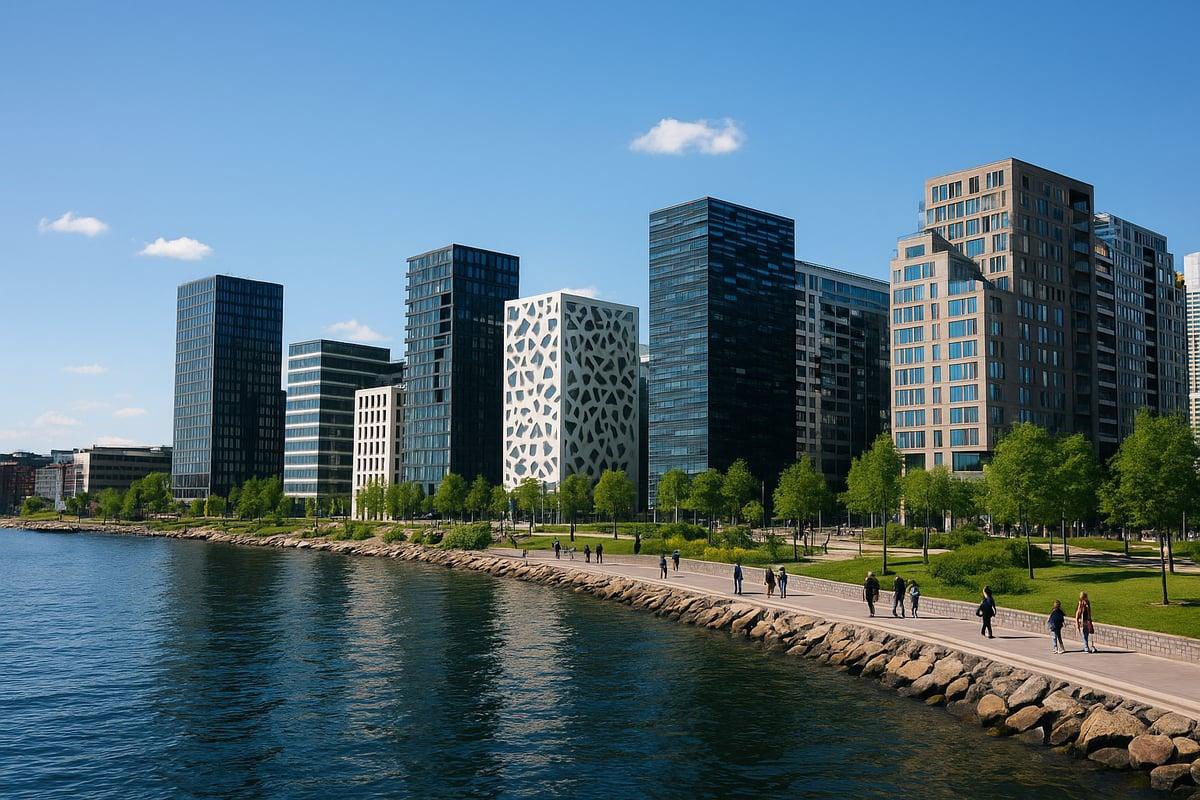
After visiting the Opera House, continue along the waterfront through Bjørvika.
This part of Oslo combines contemporary architecture, pedestrian spaces, restaurants and cultural attractions. The nearby Barcode district is particularly distinctive, with modern buildings arranged in a striking urban skyline.
The waterfront offers a different perspective on Oslo from its older streets and historic monuments. Depending on your interests, you can stop for photographs, enjoy the views across the water or observe the city’s everyday waterfront activity.
Bjørvika is also home to the MUNCH museum, which houses a major collection of works by Norwegian artist Edvard Munch. Including the museum in your itinerary is worthwhile if art is a priority, but it requires more time than a brief exterior stop.
For a general sightseeing visit, keep this section short and continue towards the historic centre.
3. Discover the History of Akershus Fortress
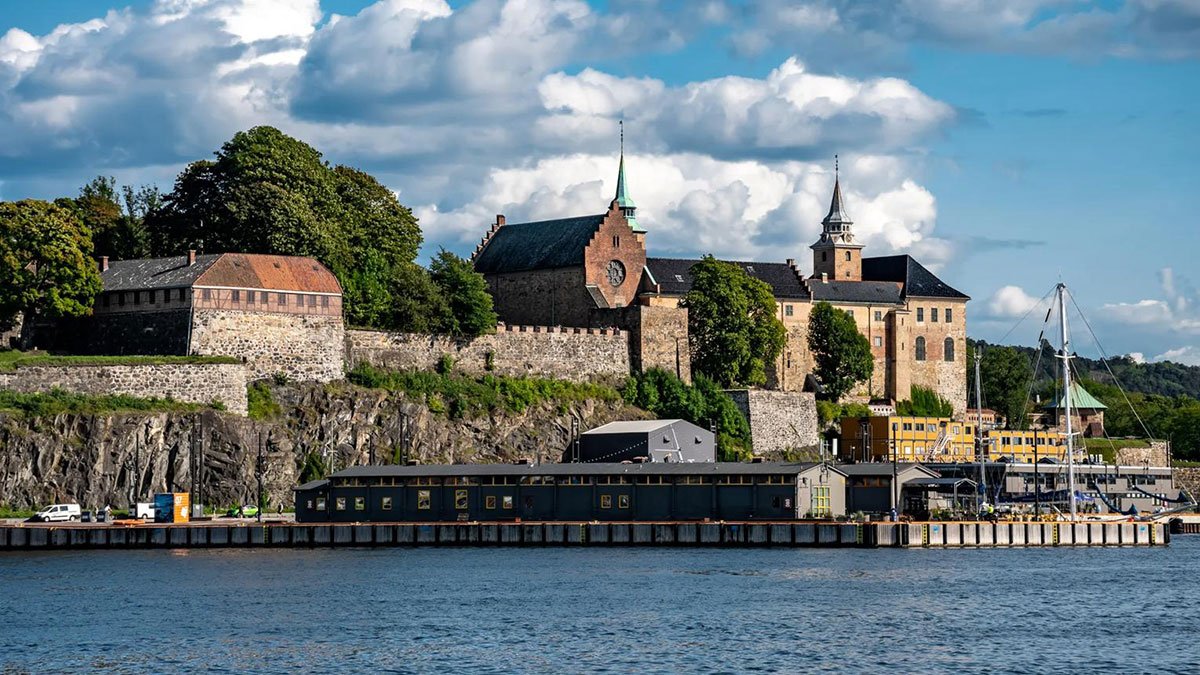
The Akershus Fortress introduces visitors to Oslo’s medieval past. Dating back to the late thirteenth century, the fortress was established to defend the settlement and later developed into a major royal and military complex.
Its stone walls, defensive structures and historic buildings contrast with the modern architecture visible across the harbour. The grounds also provide attractive views over the waterfront.
For a five-hour itinerary, concentrate on the outdoor fortress area, historic surroundings and viewpoints. If you want to explore the castle’s interior, museums or a guided tour, check the relevant visitor arrangements and opening times before arriving.
The fortress is close enough to the city centre to fit naturally into a walking itinerary, although the exact time required depends on your route and how thoroughly you explore.
Allow approximately 45–60 minutes for a relaxed outdoor visit, including the approach from the waterfront.
4. Walk Past Oslo City Hall and the Harbour
Continue towards Oslo City Hall, a prominent civic landmark near the harbour.
The building is known for its substantial red-brick exterior and twin towers. Its location connects the historic centre with Oslo’s waterfront and provides an easy stop along the route between Akershus Fortress and Aker Brygge.
The surrounding public spaces are suitable for a short walk, photographs and a closer look at the city’s architecture. You can also use this section of the route to appreciate how closely Oslo’s civic buildings, cultural attractions and maritime areas fit together.
If you are particularly interested in architecture or public art, check the official visitor information to see whether the interior of City Hall can be visited during your stay.
Otherwise, the exterior and surrounding waterfront are sufficient for a short sightseeing stop.
5. Take a Break at Aker Brygge
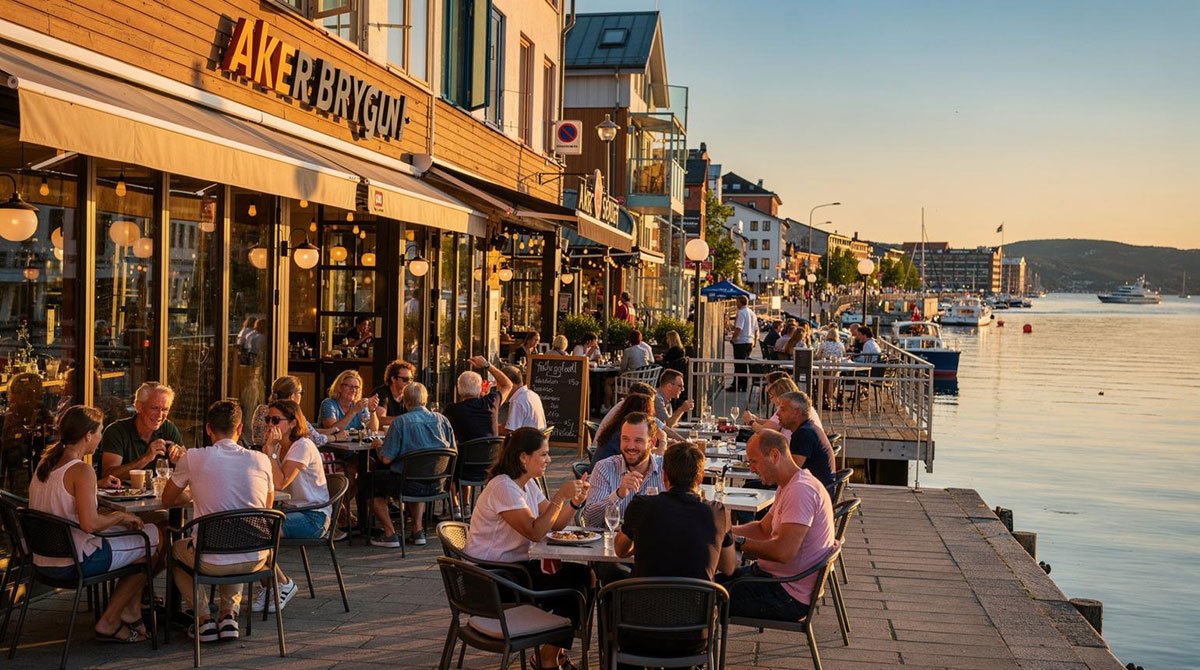
After exploring the main waterfront landmarks, head towards Aker Brygge for a break.
This popular harbourfront district combines restaurants, cafés, shops and pedestrian promenades. Boats and views across the Oslofjord add to the maritime atmosphere, making it a pleasant place to rest before continuing into the city centre.
Oslo has a varied food scene, from contemporary Nordic restaurants to casual cafés and international dining. Visitors interested in Norwegian cuisine can look for seafood, including salmon and cod, as well as local baked goods and coffee.
A five-hour visit is not the time to commit to a long, multi-course meal. Choose somewhere convenient, check the menu and allow enough time to continue exploring.
If shopping is more appealing than dining, Aker Brygge and the neighbouring Tjuvholmen area offer opportunities to browse local shops and enjoy the waterfront setting.
6. Follow Karl Johans Gate to the Royal Palace
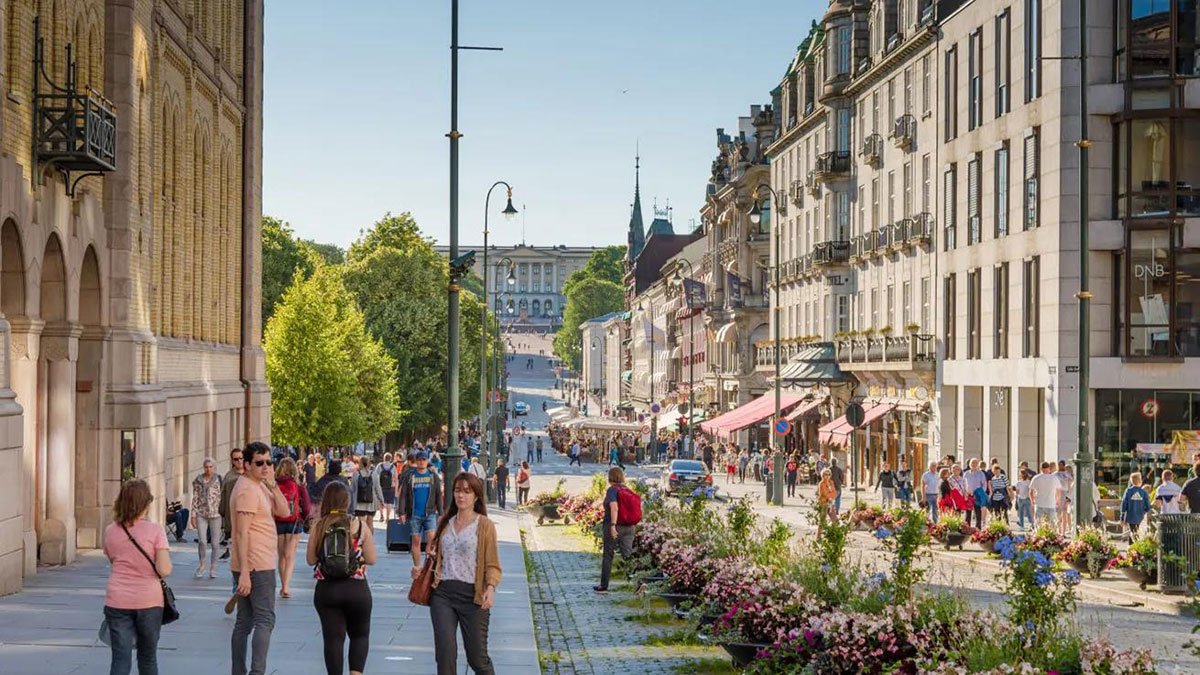
From the central waterfront, continue towards Karl Johans gate, Oslo’s principal thoroughfare.
The street links the central railway station area with the Royal Palace and passes several important city landmarks, including the Norwegian Parliament building. Along the way, you will encounter shops, cafés and public spaces that reveal another side of the capital.
At the western end stands the Royal Palace, the official royal residence. Its exterior and the surrounding Palace Park are worthwhile stops even if you do not enter the building.
Interior visits are seasonal rather than available throughout the year. Guided tours generally take place during the summer, and the dates, ticket arrangements and available tour languages should be checked through the Royal Court before planning a visit.
For a short itinerary, seeing the palace from outside is the more flexible option. It also allows you to finish the route in the city centre, where public transport connections are convenient.
Alternative Ways to Spend Five Hours in Oslo
The central waterfront route works well for a first visit, but Oslo has other attractions that may better suit your interests. The important thing is to choose a focused alternative rather than adding more stops to an already full schedule.
For art lovers: Visit MUNCH
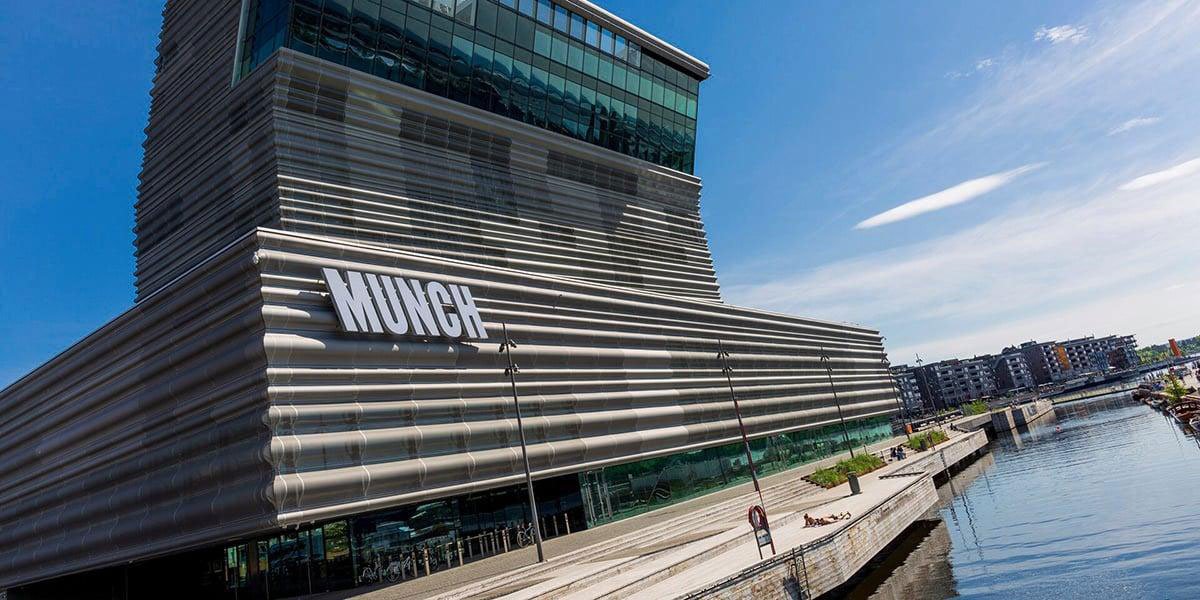
MUNCH is the principal destination for visitors interested in Edvard Munch and his artistic legacy.
The museum presents paintings, prints, drawings and other works alongside changing exhibitions and cultural programmes. A version of Munch’s famous motif The Scream is always on display, although the particular version and its exhibition arrangements can vary.
Allow at least an hour or more for a selective visit, depending on your interests. Check the museum’s opening hours, admission arrangements and current exhibitions in advance.
To fit MUNCH into a five-hour visit, concentrate on Bjørvika, the Opera House and the nearby waterfront. Treat Akershus Fortress and the western city centre as alternatives rather than trying to cover every stop.
For sculpture and green space: Visit Vigeland Sculpture Park
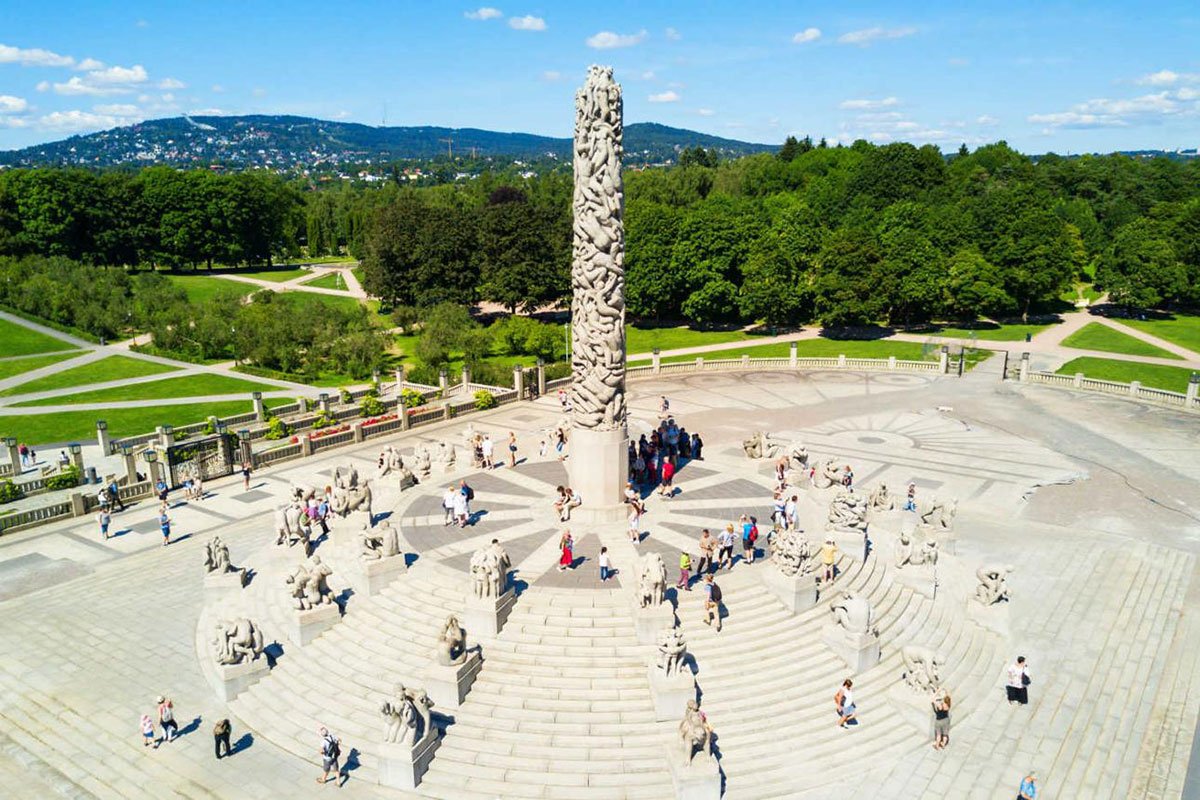
The Vigeland Sculpture Park is an excellent choice for visitors who prefer outdoor art and landscaped spaces.
Located within Frogner Park, it features a large collection of sculptures by Gustav Vigeland, including the famous Monolith and the Angry Boy. Its open-air setting makes it easy to explore at your own pace.
The park is free to enter and open around the clock. The nearby Vigeland Museum is a separate attraction with its own visitor arrangements.
To reach the park from the centre, use Oslo’s public transport network and check the current Ruter journey planner. Tram lines 12 and 15 and bus 20 serve the park area, although stops and services should be confirmed before travelling.
Allow roughly 60–90 minutes for a selective visit. You can then continue towards the city centre, but you will need to reduce the time spent at other attractions.
For fjord scenery: Choose a boat trip
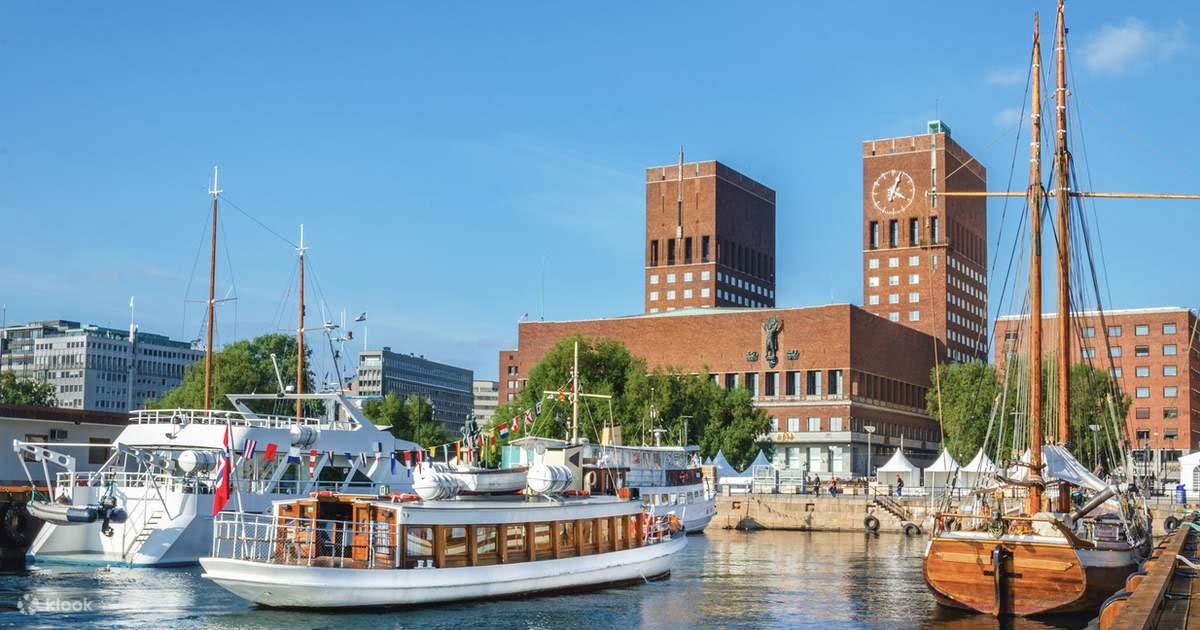
Oslo’s relationship with the sea is one of its defining features. A boat trip offers a different perspective on the city, with waterfront architecture, wooded islands and views along the fjord.
There are several types of experience to consider, including organised sightseeing cruises and public ferries serving the islands. These are not interchangeable: their routes, journey times, departure locations and seasonal schedules differ.
If a fjord trip is your main priority, build your five-hour visit around the departure and return times of the specific service you choose. Do not assume there will be enough time to complete a boat trip and visit all the major city attractions.
Check the operator’s official timetable and allow a margin for boarding and returning to your next destination.
What to Eat During a Short Visit to Oslo
You do not need a formal restaurant reservation to sample Oslo’s food culture. With limited time, a convenient café or casual restaurant near the waterfront is often the most practical choice.
Look out for:
- Norwegian seafood: Salmon, cod and other fish dishes are common choices in the capital’s seafood restaurants.
- Open sandwiches and light meals: A useful option when you want to eat without spending too long at a table.
- Coffee and pastries: A café stop fits naturally into a walking itinerary and gives you a chance to rest.
- Contemporary Nordic cuisine: A suitable choice if you want a more substantial culinary experience and have time for it.
Aker Brygge and Bjørvika offer convenient dining options close to the main route. If you choose a restaurant, check its current menu, opening hours and service arrangements rather than relying on old prices or recommendations.
Norway can be an expensive destination for dining, so reviewing the menu before ordering is a sensible way to manage your budget.
Getting Around Oslo in Five Hours
Oslo is well suited to walking, and many central attractions can be connected on foot. For longer journeys, the city’s public transport network includes buses, trams, metro services, local trains and ferries.
These practical tips will help you spend more time sightseeing and less time dealing with logistics.
Use the Ruter app. It provides public transport journey planning and ticket information. Check the relevant zones and buy a valid ticket before travelling.
Plan your route around one area. The Opera House, Bjørvika and the harbourfront fit naturally together. Vigeland Park and the Holmenkollen area require a different plan and are better treated as alternative itineraries.
Check attraction opening hours. Outdoor locations and indoor attractions follow different access arrangements. Museums, guided tours and historic interiors may have limited hours or seasonal schedules.
Keep room for delays. Walking, finding the correct platform, waiting for transport and stopping for photographs can all add time. A schedule with no flexibility is likely to feel rushed.
Consider whether an attraction is worth entering. You can appreciate several landmarks from the outside. A single well-chosen museum visit may be more rewarding than rushing through three paid attractions.
Arriving from Oslo Airport
If you are starting at Oslo Airport Gardermoen, factor in the journey to and from the city before deciding how much sightseeing is possible.
The Flytoget Airport Express train offers a direct connection to Oslo Central Station, with a published journey time of approximately 19 minutes. Other train services are available, and travel times, fares and disruptions can vary by service.
A five-hour layover is not the same as five free hours in the city. You will also need to account for disembarking, immigration where applicable, baggage arrangements, transfers and airport security before your next flight.
For a flight connection, verify your entry requirements and return-transfer options carefully. Leaving the airport only makes sense when your schedule provides a sufficient margin for the entire journey.
When Is the Best Time to Visit Oslo?
Oslo’s experience changes considerably with the seasons.
Summer is well suited to waterfront walks, outdoor dining and exploring parks. Longer daylight hours make it easier to spend time outdoors, although popular attractions and cruises can still be busy.
Spring and autumn can be pleasant for combining city sightseeing with outdoor activities. Weather conditions can change, so bring layers and check the forecast.
Winter offers a different atmosphere, with colder weather, shorter daylight hours and the possibility of snow or icy surfaces. Outdoor stops remain worthwhile, but you should allow for weather-related changes and take particular care on exposed surfaces such as the Opera House roof.
The right time to visit depends on your priorities. For a short stay, it is more useful to check the conditions and opening hours for your chosen attractions than to rely on a single recommendation for the entire year.
Practical Tips Before You Go
Before setting out, confirm the details that could materially affect a five-hour visit.
- Check official attraction websites for opening times, admission arrangements and seasonal closures.
- Book timed-entry tickets or guided tours ahead when required.
- Check live Ruter services and ticket information before travelling.
- Confirm the location of your cruise terminal, hotel or departure point.
- Carry a payment method accepted locally and check prices in Norwegian kroner (NOK).
- Wear comfortable walking shoes and dress for the weather.
- Keep your return journey in mind, especially if you have a flight or cruise departure to meet.
A little preparation can make a significant difference when your available time is limited.
Make the Most of Your Five Hours in Oslo
The best way to experience Oslo in five hours is to select a few places that complement one another. Start with the Opera House and Bjørvika waterfront, continue to the historic Akershus Fortress, and enjoy the harbour area before heading towards the city’s central streets and the Royal Palace.
If art, sculpture or the fjord is your main interest, adapt the route around that priority instead.
Oslo rewards a measured pace. By allowing time to walk, pause for photographs and experience the waterfront rather than racing between attractions, you can gain a meaningful introduction to Norway’s capital even during a short visit.
