
The Perfect Mountain Getaway in North Wales
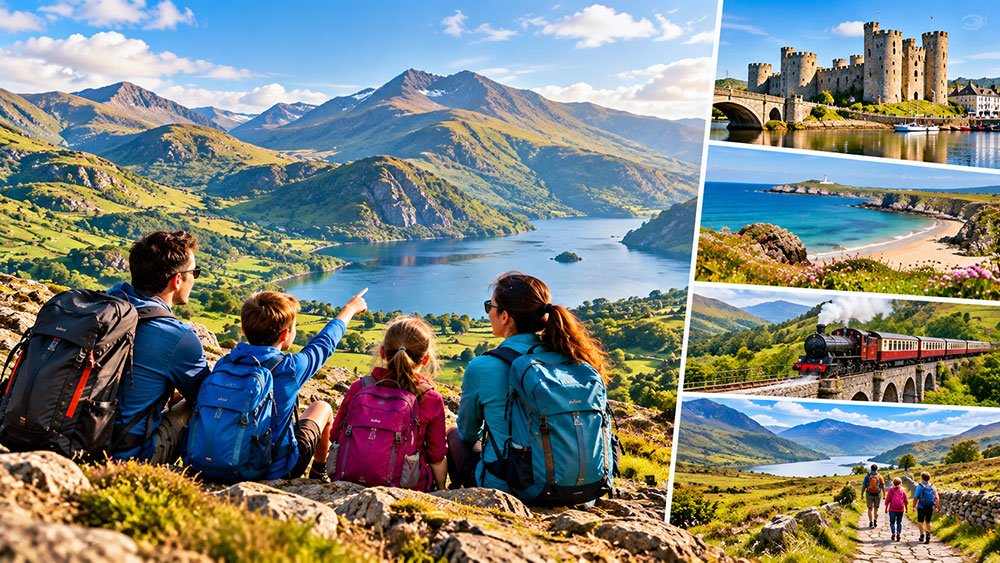
If you are looking for a memorable mountain getaway in the UK, North Wales offers an impressive combination of dramatic landscapes, historic castles, coastal scenery, outdoor adventure and distinctive Welsh culture.
From the mountains of Eryri (Snowdonia) to the beaches of Anglesey, North Wales provides plenty of opportunities for walking, cycling, wildlife watching, sightseeing and family days out.
The region is also home to a strong Welsh-language and cultural identity, making a visit about more than scenery alone. Whether you want an active outdoor break or a peaceful weekend surrounded by nature, North Wales has plenty to offer.
Why Visit North Wales?
North Wales is one of the UK’s most varied destinations for a countryside escape.
The region includes:
- Eryri (Snowdonia) National Park
- Ynys Môn (Anglesey)
- The Llŷn Peninsula
- Historic towns and villages
- Medieval castles
- Coastal walking routes
- Mountain trails
- Wildlife reserves
- Adventure attractions
- Heritage railways
Visit Wales describes North Wales as a destination combining mountains, coastline, heritage, culture and outdoor activities. The region also forms part of the wider Wales Way network, which provides routes through some of the country’s most scenic landscapes and historic attractions.
Explore Eryri (Snowdonia) National Park
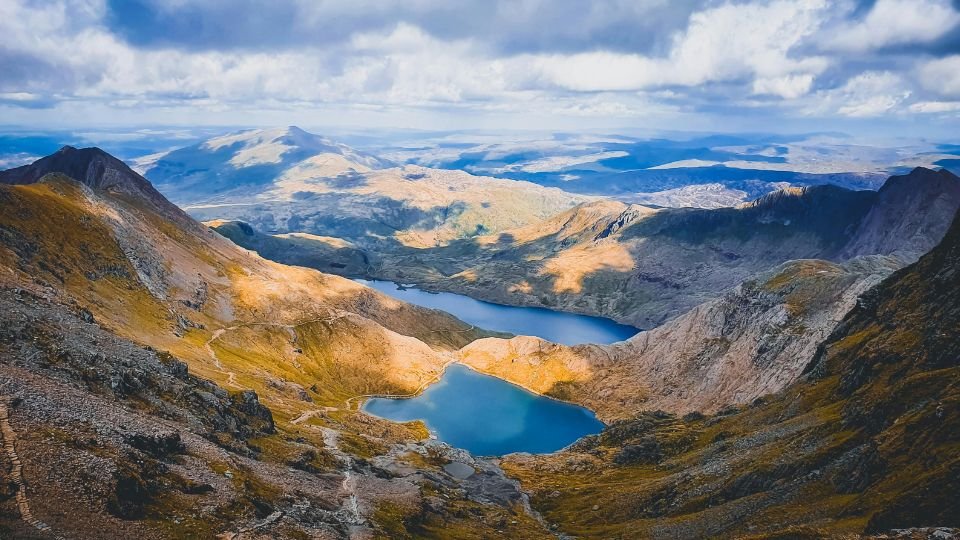
For many visitors, the mountains are the main reason to travel to North Wales.
Eryri National Park is home to Yr Wyddfa, the highest mountain in Wales. The mountain rises to more than 3,000 feet and is one of the country’s best-known outdoor destinations.
The National Park offers a wide range of landscapes, including mountains, lakes, valleys and forests.
You do not have to climb Yr Wyddfa to enjoy Eryri. There are numerous walking routes and scenic areas suitable for different levels of experience.
If you are planning a mountain walk, check current conditions, weather forecasts, parking arrangements and route information before setting out. Eryri National Park provides current information about walking routes, ground conditions, parking and the Sherpa’r Wyddfa bus service.
Respect Welsh Place Names
Visitors may still see the name “Snowdon” used in older travel material. However, Yr Wyddfa is the Welsh name for the mountain, and Eryri National Park Authority decided in 2022 to use Yr Wyddfa when referring to Wales’ highest summit.
Using Welsh place names is a simple way to show respect for the language and culture of the region.
Discover North Wales’ Historic Castles
North Wales is not only about mountains.
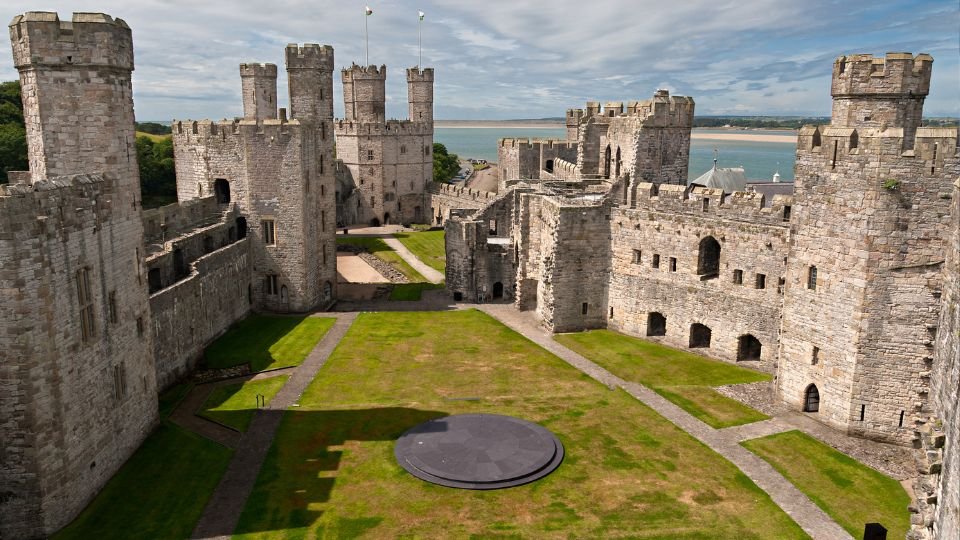
The region has some of the UK’s most impressive medieval castles. Four major castles — Conwy, Caernarfon, Harlech and Beaumaris — form part of the UNESCO World Heritage Site known as the Castles and Town Walls of King Edward in Gwynedd.
Each castle offers a different experience.
Conwy Castle sits beside the historic town and is particularly easy to combine with a wider sightseeing trip.
Caernarfon Castle is one of the most imposing medieval fortifications in Wales.
Harlech Castle occupies a dramatic position overlooking the surrounding landscape.
Beaumaris Castle on Anglesey is an important example of medieval military architecture.
A castle tour can be an excellent addition to a North Wales weekend, particularly for families and visitors interested in history.
Walk the North Wales Coast
Mountain scenery is only part of the attraction.
North Wales also has spectacular coastal landscapes. The Wales Coast Path provides opportunities to explore beaches, cliffs, seaside towns and wildlife.
The North Wales Path stretches for around 60 miles (96 km) along the coast between Bangor and Prestatyn. It offers views of both the coastline and the Eryri mountains.
Anglesey is another excellent choice for coastal walks. Its coastline includes quiet paths, beaches, historic sites and opportunities to see seabirds and other wildlife. Visit Wales notes that 95% of the Anglesey Coast Path lies within a National Landscape.
For a shorter coastal break, Llandudno and Colwyn Bay offer beaches, wildlife, attractions and access to the Great Orme.
Experience North Wales Wildlife
North Wales is also an attractive destination for wildlife enthusiasts.
Coastal areas provide opportunities to see seabirds and marine wildlife. At South Stack Cliffs on Anglesey, visitors may encounter breeding seabirds including puffins, guillemots and razorbills. Seals, dolphins and porpoises can also be spotted offshore.
The region’s mountains, forests, wetlands and coastline create habitats for a wide variety of species.
If wildlife watching is part of your trip, keep a respectful distance from animals and follow local conservation guidance.
Enjoy Adventure Activities
North Wales has developed a strong reputation for adventure tourism.
Depending on the season and operator, activities can include:
- Hiking
- Mountain biking
- Kayaking
- Rafting
- Gorge walking
- Coasteering
- Ziplining
- Rock climbing
- Caving
- Wildlife excursions
The National White Water Centre at Bala and other outdoor attractions provide opportunities for water-based adventure, while Eryri and the surrounding mountains offer hiking and cycling. Visit Wales currently promotes North Wales as a major destination for outdoor and adventure experiences.
Some activities require specialist equipment, experience or professional instruction. Always check the operator’s requirements before booking.
Take a Scenic Train Journey
You do not need to hike every mountain to appreciate the landscape.
North Wales is famous for its heritage railways and scenic train journeys. The region includes historic narrow-gauge railways, mountain railways and mainline routes through coastal and rural scenery.
The North Wales Coast Railway is another useful option for visitors who want to explore the region without driving everywhere. The route between Crewe and Holyhead passes coastal scenery, seaside towns, castles and views towards the mountains.
For families, a heritage railway can become an attraction in its own right.
Plan a Family Mountain Holiday
North Wales works well for family holidays because it offers a mixture of outdoor activities, beaches, castles, railways and attractions.
Families can combine a mountain excursion with a castle visit or coastal day.
For example, a short break could include:
1st Day: Explore a historic town and castle.
2nd Day: Enjoy a family-friendly mountain or countryside walk.
3rd Day: Visit the coast or take a heritage railway journey.
4th Day: Explore another attraction or enjoy an outdoor activity.
Visit Wales currently highlights beaches, castles, heritage railways and adventure attractions as part of family holidays in North Wales.
The advantage of this approach is that everyone in the family does not need to enjoy the same type of activity.
Explore North Wales by Road, Rail or Walking Route
North Wales can be explored in several ways.
The North Wales Way follows a 75-mile (120 km) route across the northern part of Wales, connecting coastal scenery, historic castles, Eryri and Anglesey.
You can also combine road travel with rail journeys, walking routes and local attractions.
For visitors without a car, the region’s railways and public transport can provide useful alternatives for selected journeys. Visit Wales also recommends Traveline Cymru as a public transport journey-planning resource.
Should You Buy a Lodge in North Wales?
The original version of this article suggested that buying a used lodge in North Wales was an easy and affordable way to obtain a holiday home.
That advice needs updating.
Buying a lodge or holiday park property can be an option for people who want a base for their own holidays, but it should be treated as a property purchase requiring careful due diligence.
Before buying, investigate:
- The purchase price
- Annual pitch fees
- Site rules
- Running and maintenance costs
- Insurance
- Utilities
- Resale conditions
- Permitted occupancy periods
- Whether subletting is allowed
- Planning restrictions
- Site licensing
- The remaining lifespan and condition of the lodge
- Whether the property is for holiday use or residential occupation
Do not assume that a holiday lodge can be used as your permanent home.
Important Planning Rules for Holiday Properties
Planning restrictions can be particularly important in and around Eryri.
Eryri National Park Authority introduced an Article 4 Direction on 1 June 2025. Within the relevant Eryri planning area, planning permission is required before changing the use of a property into a second home, short-term holiday let or certain mixed uses.
This makes professional advice particularly important if you are considering buying property for holiday letting or second-home use.
Welsh Government guidance also distinguishes between residential park homes and holiday accommodation. Static caravans, lodges and similar accommodation can be subject to different planning and visitor-accommodation rules depending on their use.
If you are considering purchasing a lodge, obtain independent legal and planning advice before committing to the purchase.
For a residential park home, government guidance recommends checking matters including the site’s planning permission, site rules, warranties, planned works and the extent of the site owner’s land ownership.
In other words, a lodge can be a lifestyle purchase, but it should not be treated as a guaranteed investment.
When Is the Best Time to Visit North Wales?
North Wales can be visited throughout the year, but the best time depends on what you want to do.
Spring
Spring can be a good time for walking, sightseeing and exploring gardens and countryside as the landscape becomes greener.
Summer
Summer generally provides longer daylight hours and is popular for hiking, coastal walks, family holidays and outdoor activities. Popular attractions can be busy, so advance planning may be worthwhile.
Autumn
Autumn brings changing colours and can be an attractive time for countryside walks and scenic drives.
Winter
Winter can provide dramatic mountain scenery, but conditions in Eryri can change quickly. Mountain walkers should check forecasts and ground conditions and make sure they have the appropriate experience and equipment.
The National Park publishes current information for people planning to climb Yr Wyddfa, including winter ground-condition reports.
Tips for a Responsible North Wales Getaway
North Wales contains sensitive mountain, coastal and wildlife environments.
Visitors can help protect these places by:
- Following marked paths where appropriate.
- Taking litter home.
- Keeping dogs under control.
- Respecting wildlife.
- Avoiding disturbing nesting birds.
- Following local parking restrictions.
- Supporting local businesses.
- Respecting Welsh-speaking communities.
- Checking weather and outdoor safety information.
- Leaving natural and historic sites as you found them.
Responsible travel helps preserve North Wales for residents and future visitors.
Why North Wales Is Worth Exploring
North Wales offers far more than a traditional mountain holiday.
You can hike in Eryri, explore UNESCO-listed castles, walk along the coast, discover Welsh culture, watch wildlife, ride heritage railways and enjoy outdoor adventures — all within a relatively compact region.
The combination of mountains and sea is one of the area’s greatest attractions. You can spend the morning exploring a historic castle and the afternoon walking beside the coast. Alternatively, you can dedicate an entire weekend to the mountains.
For families, couples, groups and solo travellers, North Wales provides plenty of opportunities to create a flexible itinerary.
Final Thoughts
A mountain getaway in North Wales can be as adventurous or relaxing as you want it to be.
Explore the dramatic landscapes of Eryri, discover the history of Conwy and Caernarfon, walk the coastline of Anglesey, enjoy wildlife encounters or take a scenic heritage railway journey.
If you are considering buying a lodge or holiday property, take a different approach: research the site, understand the planning and occupancy restrictions, check all ongoing costs and obtain professional advice before purchasing.
North Wales combines mountains, coast, heritage, wildlife and Welsh culture in one destination. With careful planning and respect for the local environment, it can provide an unforgettable UK escape in any season.
