
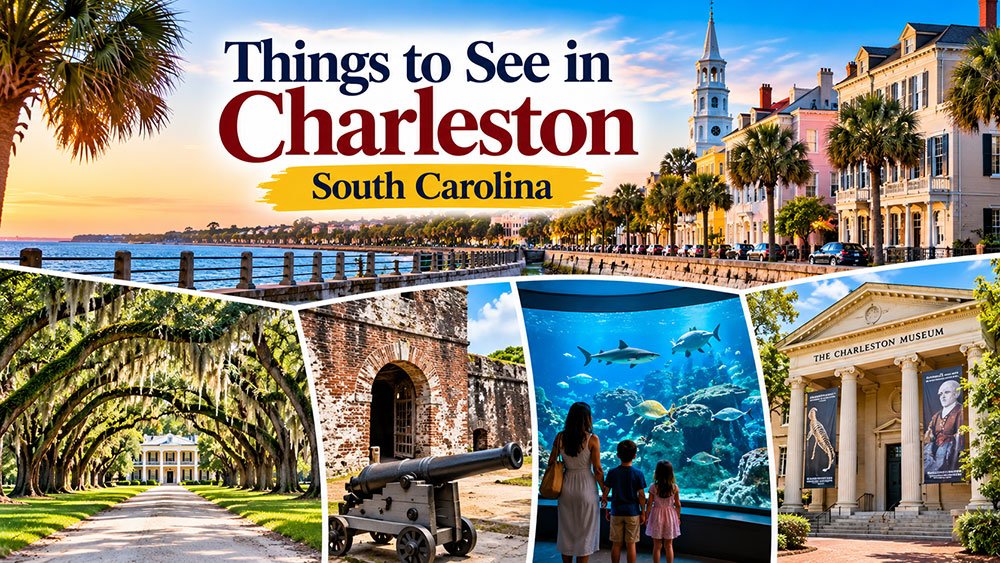
Things to See in Charleston, South Carolina: Top Attractions
Charleston, South Carolina, is a destination where history, architecture, culture, nature and coastal scenery come together. Whether you are planning a family vacation, a weekend getaway or your first visit to the Lowcountry, there are plenty of things to see in Charleston.
From historic plantations and museums to aquariums and stories of pirates, Charleston offers attractions for visitors of all ages. The city also has a well-preserved historic character, making it easy to combine sightseeing with walking, dining and exploring the waterfront.
Here are some of the top attractions to include in your Charleston itinerary.
-
Boone Hall Plantation & Gardens

Located in nearby Mount Pleasant, Boone Hall Plantation & Gardens is one of the most recognizable historic attractions in the Charleston area.
The property dates to 1681, and its famous Avenue of Oaks remains one of its most distinctive features. The live oak trees were planted in 1743, creating the impressive tree-lined entrance that visitors see today.
A visit to Boone Hall is about more than its gardens and historic landscape. The property offers several experiences that explore the area’s agricultural, architectural and cultural history.
Visitors can explore the plantation home, gardens and grounds, while other experiences focus on the history of African Americans and the Gullah culture of the Lowcountry. The property also offers a farm and nature tour, giving visitors an opportunity to see more of the 738-acre site.
The combination of gardens, historic buildings, oak trees and Lowcountry scenery makes Boone Hall an interesting addition to a Charleston trip.
-
Explore Charleston’s Pirate History
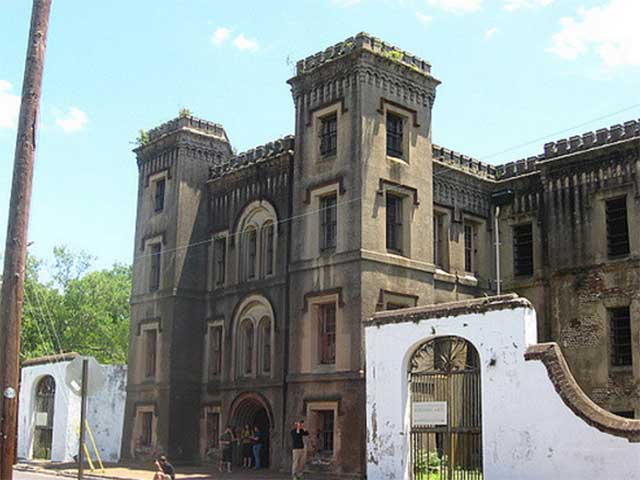
Charleston has a long maritime history, and stories of pirates form an intriguing part of the city’s colonial past.
The Old Exchange and Provost Dungeon is particularly relevant for visitors interested in this history. Charleston’s harbor was an important trading center, and pirates posed a threat to ships and commerce in the region during the colonial period.
Blackbeard, one of the most famous pirates of the era, was connected to events around Charleston Harbor. The city also became associated with the capture and trial of Stede Bonnet, sometimes known as the “Gentleman Pirate.”
Instead of viewing Charleston’s pirate stories only as entertainment, visitors can use them as a starting point for understanding the city’s development as an important colonial port.
A walking tour through Charleston’s historic district can also help put these stories into the broader context of the city’s architecture, waterfront and colonial history.
-
Visit the South Carolina Aquarium
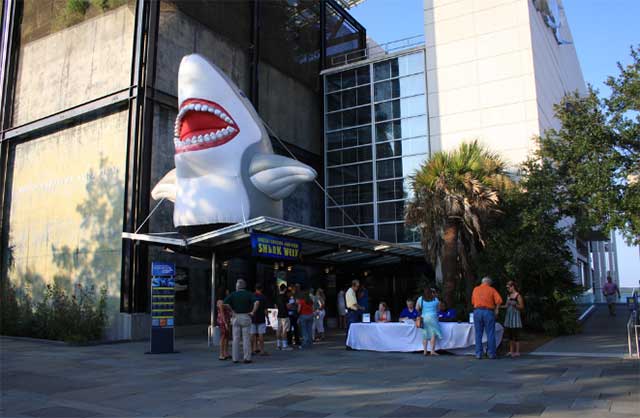
The South Carolina Aquarium is a popular attraction for families and anyone interested in wildlife and marine life.
Located in downtown Charleston, the aquarium showcases animals and ecosystems from across South Carolina. Its exhibits range from mountain forests and freshwater habitats to coastal environments and the Atlantic Ocean.
Visitors can see animals such as river otters, sharks, stingrays and other species while learning about the state’s diverse ecosystems.
The aquarium is also a convenient attraction for a city itinerary because it is located near Charleston’s waterfront and other downtown attractions.
The aquarium is currently open daily from 9 a.m. to 5 p.m., with the last entry at 3:30 p.m. However, visitors should check the official schedule before travelling because special events and holiday hours can affect opening times.
-
Discover the Charleston Museum
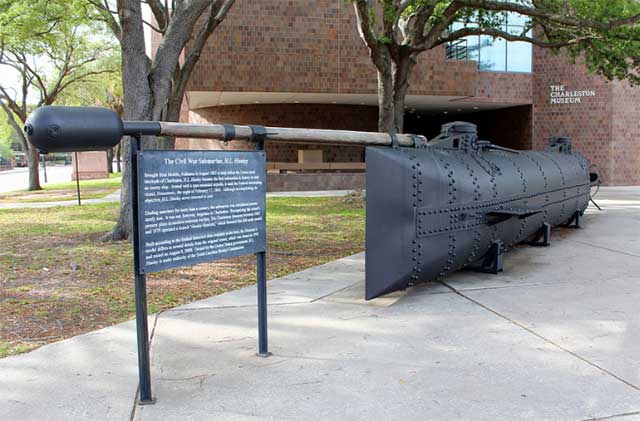
History enthusiasts should make time for The Charleston Museum, which describes itself as America’s first museum.
Founded in 1773, the museum houses collections covering natural history, archaeology, decorative arts and the history of Charleston and the Lowcountry.
Its exhibitions provide an opportunity to learn about the people, cultures and events that shaped the region. The Lowcountry History Hall, for example, explores the area’s Native American history as well as the experiences of colonists and enslaved people who contributed to the development of the region.
The museum also features exhibits covering Charleston’s role in the American Revolution and Civil War, along with collections of historic weapons, textiles and other objects.
Visitors interested in historic houses can also consider the museum’s related sites, including the Heyward-Washington House and Joseph Manigault House.
-
Explore Charleston’s Historic District
No Charleston itinerary is complete without spending time in the city’s historic district.
The streets are known for historic homes, distinctive architecture, churches, gardens and preserved buildings. Walking allows visitors to appreciate details that can easily be missed when travelling by car.
The City of Charleston highlights parks, museums, waterfront areas and historic attractions as part of its visitor experience. The city’s preservation program also continues to protect historic buildings and neighborhoods that contribute to Charleston’s distinctive character.
For first-time visitors, the Charleston Visitor Center can also be a useful starting point for information about tours, attractions, transportation and other visitor services.
-
Visit the International African American Museum
For a deeper understanding of Charleston’s history and its connections to African American history, consider visiting the International African American Museum.
Located at Gadsden’s Wharf, the museum explores African American history, culture and experiences connected to Charleston, South Carolina, the United States and the wider African diaspora.
Its location is particularly significant because Charleston played an important role in the history of the transatlantic slave trade. Including the museum in a Charleston itinerary provides important historical context alongside the city’s better-known colonial and architectural attractions.
-
Enjoy Charleston’s Waterfront and Parks
Charleston is not only about museums and historic buildings. The city also offers waterfront spaces and parks where visitors can take a break from sightseeing.
Waterfront areas provide opportunities for scenic walks and views across the harbor. Parks and public spaces around the city can also be incorporated into a slower-paced itinerary.
If you are visiting Charleston with children, combining an aquarium visit with outdoor sightseeing can create a balanced day without trying to visit too many museums and historic sites at once.
Tips for Planning a Charleston Trip
Planning your itinerary in advance can help you see more of Charleston without making your trip feel rushed.
Keep these tips in mind:
- Start with the historic district if this is your first visit.
- Allow several hours for museums and major attractions.
- Check official attraction websites for current opening hours and ticket information.
- Consider visiting Boone Hall separately from downtown attractions because it is located in Mount Pleasant.
- Wear comfortable shoes if you plan to explore Charleston on foot.
- Leave time for waterfront walks and parks.
- Consider visiting the Charleston Visitor Center for local information and tour options.
- Check parking arrangements before driving into the historic district.
Best Things to See in Charleston for Different Travelers
Charleston has something for different types of visitors.
Families can enjoy the South Carolina Aquarium and other interactive attractions. History lovers can explore The Charleston Museum, historic houses and the city’s colonial and maritime heritage. Culture enthusiasts can visit the International African American Museum and explore Charleston’s diverse history. Nature lovers can combine Boone Hall’s gardens and Lowcountry scenery with waterfront walks.
Plan Your Charleston Adventure
From the oak-lined entrance of Boone Hall to the exhibits at The Charleston Museum and the marine life at the South Carolina Aquarium, there are many things to see in Charleston, South Carolina.
The city’s appeal comes from the way its history, culture, architecture and natural surroundings fit together. You can spend the morning exploring historic streets, visit a museum in the afternoon and finish the day beside the harbor.
Whether this is your first Charleston vacation or you are returning to discover more of the Lowcountry, these attractions provide a strong starting point for exploring one of South Carolina’s most historic and distinctive destinations.
Frequently Asked Questions About Charleston
What are the best things to see in Charleston?
Some popular attractions include Boone Hall Plantation & Gardens, the South Carolina Aquarium, The Charleston Museum, Charleston’s historic district, the International African American Museum and the city’s waterfront.
Is Charleston good for a family vacation?
Yes. Charleston offers attractions for different age groups, including the South Carolina Aquarium, museums, historic sites, parks and outdoor activities.
Is Boone Hall Plantation in Charleston?
Boone Hall Plantation & Gardens is located in Mount Pleasant, approximately eight miles from downtown Charleston. It is commonly included among attractions to visit when exploring the Charleston area.
How long should you spend in Charleston?
A long weekend can provide an introduction to Charleston, while several days allow more time for museums, historic sites, plantations, waterfront areas and nearby attractions.
What is Charleston known for?
Charleston is known for its historic architecture, Lowcountry culture, waterfront setting, museums, historic sites and important role in South Carolina and American history.
