

Make the most of your holiday by combining destinations, exploring new cities and enjoying the journey between stops.
Multicentre Holidays: How to Plan a Multi-Destination Trip
A multicentre holiday lets you explore several destinations during one trip instead of choosing just one place to visit. You could pair a lively city with a relaxing beach, explore historic towns before heading into the countryside, or combine a wildlife adventure with a few days of rest.
The key is to plan a route that gives you enough time to enjoy each stop without spending too much of your holiday in transit. With the right combination of destinations, transport and accommodation, multicentre holidays can offer variety, flexibility and a more rewarding travel experience.
What Is a Multicentre Holiday?
A multicentre holiday is a trip that includes stays in two or more destinations as part of one overall itinerary. The destinations might be in the same country or spread across different countries, depending on your interests, budget and available time.
For example, a traveller might spend several nights exploring Paris before travelling to the French Riviera for a coastal break. Another itinerary could combine Singapore’s city attractions with a beach stay in Bali.
You can arrange a multicentre trip through a tour operator or travel agent, or plan each element independently. Some travel companies offer tailor-made packages that combine flights, hotels, transfers and activities, while independent travellers can book each part separately.
The best arrangement depends on how much flexibility you want, how complicated the route is and how comfortable you feel managing several bookings.
Why Choose a Multicentre Holiday?
A multi-destination trip can suit travellers who want different experiences from the same holiday. Instead of spending the entire trip in one location, you can combine places that complement one another.
Combine cities, beaches and nature
One destination might offer museums, restaurants and architecture, while another provides beaches, hiking trails or wildlife experiences. Combining them can create a more varied holiday without requiring separate trips at different times of the year.
Possible combinations include:
- City and beach: Explore a major city before relaxing at a coastal resort.
- Culture and countryside: Visit historic towns, then spend time in rural villages or scenic landscapes.
- Adventure and relaxation: Enjoy hiking, diving or wildlife viewing before unwinding at a comfortable hotel.
- Food and heritage: Explore regional cuisine, markets, historic neighbourhoods and cultural attractions across several locations.
Make better use of a longer trip
If you have enough time off, adding a second destination can make a long journey more worthwhile. This can be particularly appealing when travelling internationally, although extra stops should make sense for your route rather than simply increasing the number of places on your itinerary.
Find a balance for group travel
Families, couples and groups may have different ideas about the ideal holiday. One person might prefer sightseeing, while another wants time by the pool or on the beach. A carefully planned multicentre itinerary can accommodate different interests, provided everyone agrees on the pace and budget.
Explore beyond the main tourist centre
A second or third stop can introduce you to a different side of a country. A capital city, smaller historic town and rural region may offer very different experiences, even when they are relatively close together.
However, visiting more destinations does not automatically mean getting more from a holiday. The aim should be to experience each place properly, not rush through a checklist.
Multicentre Holiday Ideas to Inspire Your Trip
The most practical itinerary depends on your starting point, travel dates, budget and preferred activities. These examples illustrate different ways to combine destinations; they are ideas rather than fixed itineraries, and current transport connections should be checked before booking.
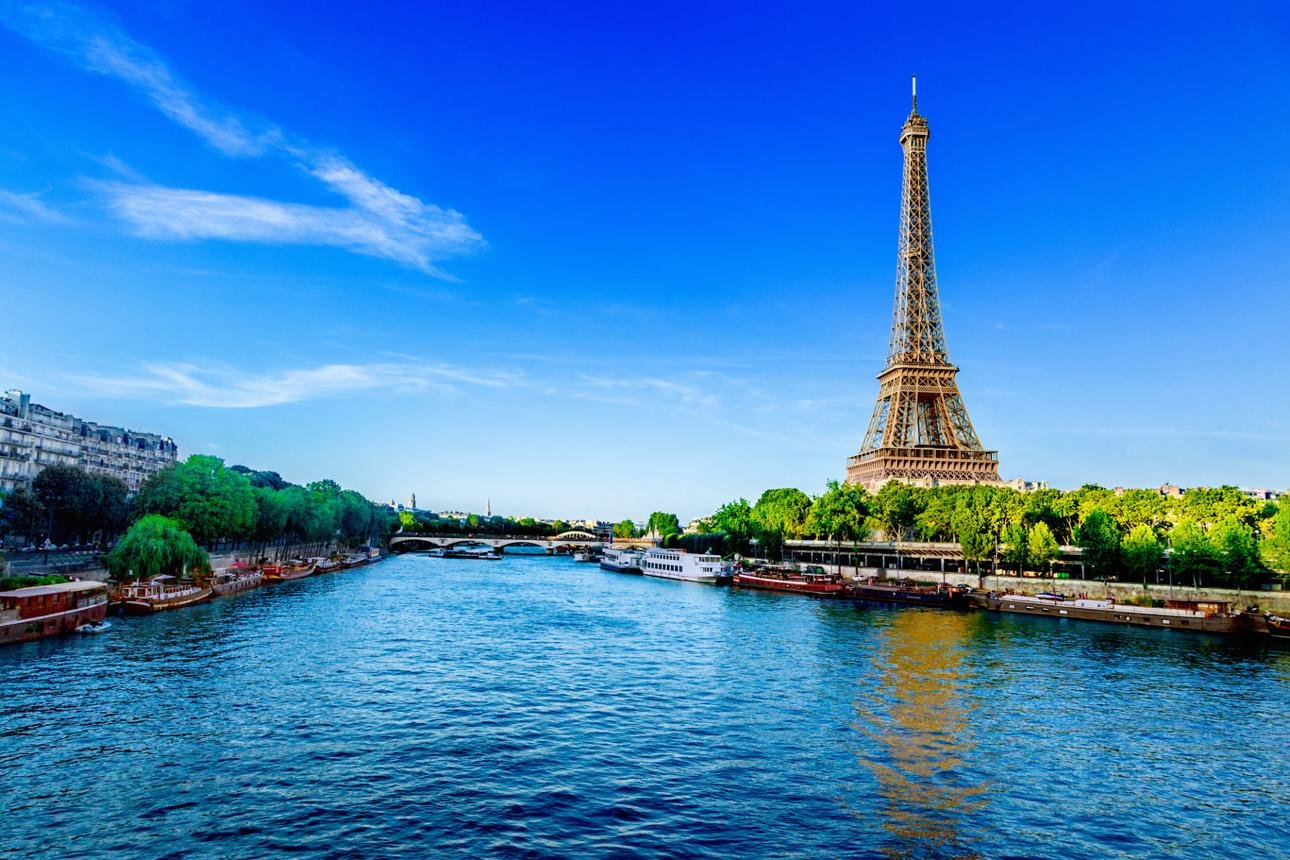
1. Paris and the French Riviera
Begin with Paris for museums, architecture, cafés and city sightseeing. Continue to the south of France for coastal scenery, waterfront promenades and a slower pace. Compare rail and air connections for your dates before choosing the order of travel.

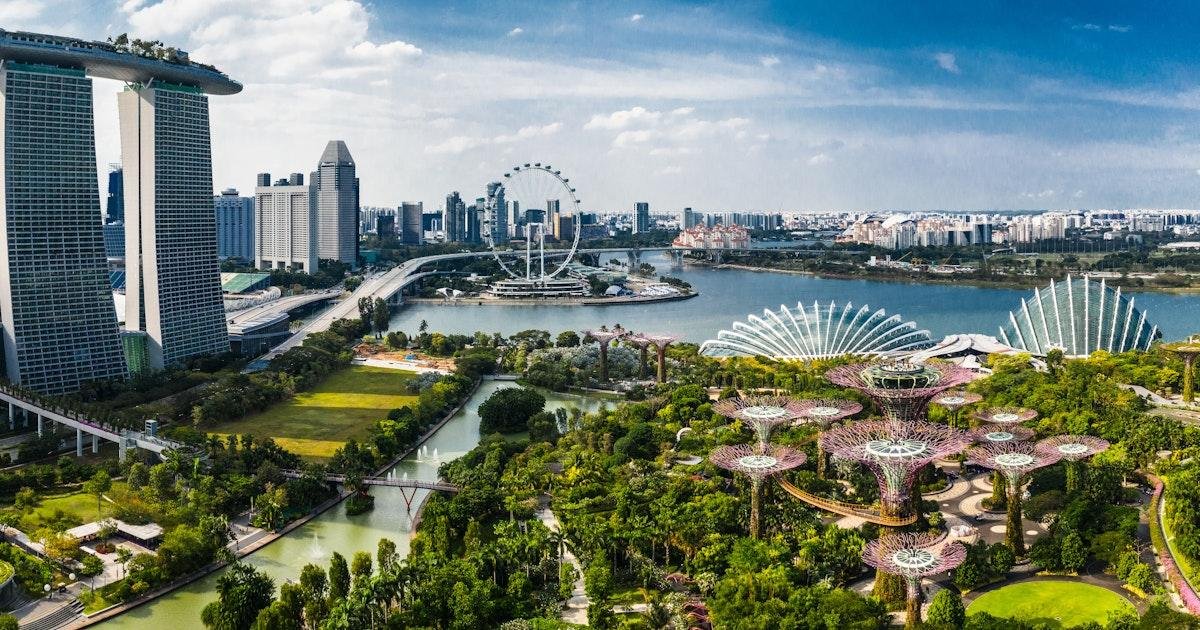
2. Singapore and Bali
Combine Singapore’s urban attractions, food and contemporary architecture with Bali’s temples, landscapes and coastal stays. Check flight schedules and entry requirements for each destination, including any transit countries.
3. Tokyo and Kyoto
Pair Tokyo’s modern neighbourhoods and varied dining scene with Kyoto’s temples, gardens and historic streets. Rail travel can be a useful option between cities, but compare the full cost and journey time with other available transport.
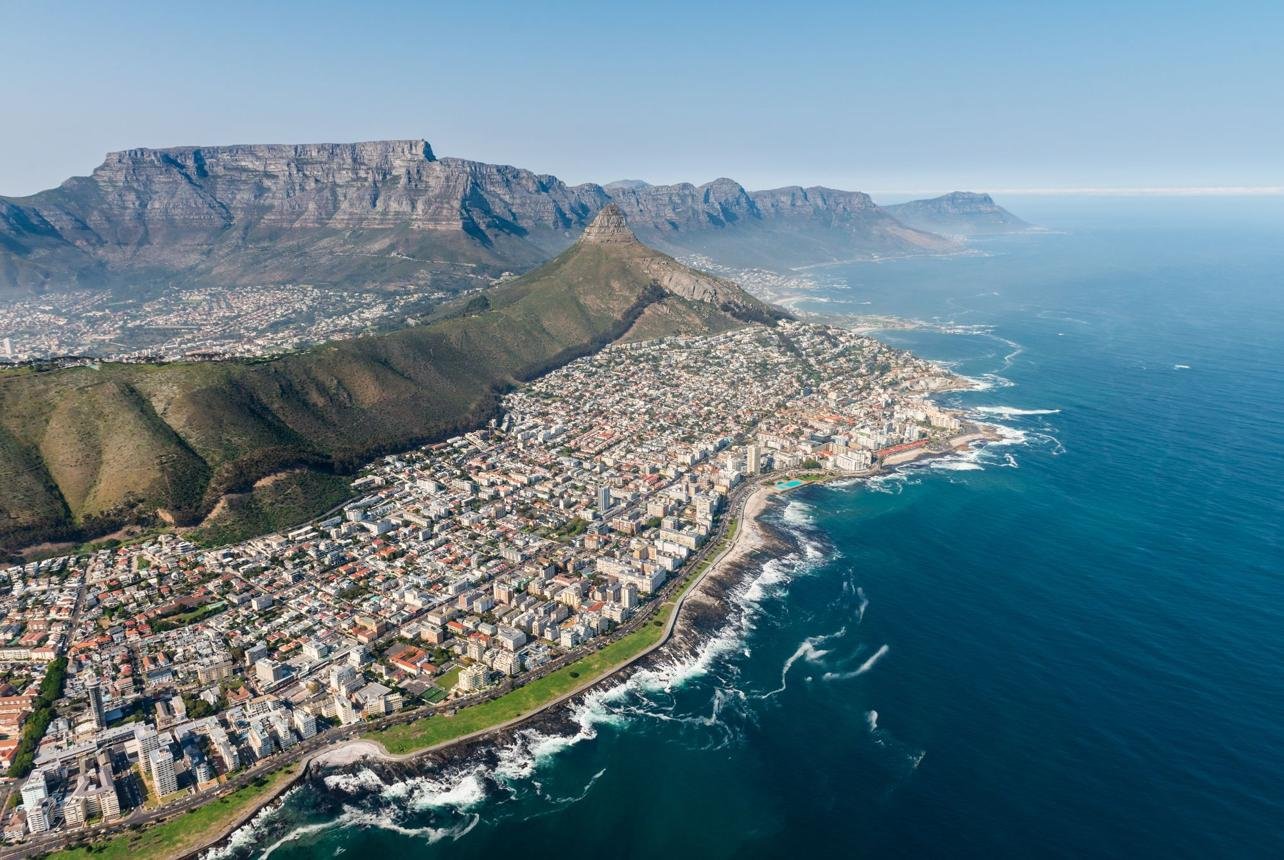
4. Cape Town and a wildlife destination
Start with Cape Town’s coastal scenery, food and cultural attractions, then consider a safari region that fits your travel dates and interests. Wildlife experiences can involve additional flights, transfers and lodge costs, so plan this combination carefully.
Before committing to any combination, check whether the destinations connect conveniently. A route that looks close on a map may involve a long transfer, limited transport options or an overnight stop.
How Many Destinations Should You Include?
There is no ideal number of stops for every multicentre holiday. The right number depends on the total length of the trip, travel times between destinations and how much you want to do at each stop.
As a practical starting point:
- Short break: One main destination, possibly with a nearby overnight stop if the transfer is simple.
- One to two weeks: Two or three destinations may work well if connections are convenient and the itinerary allows time to explore.
- Longer holiday: Additional stops may be realistic, particularly when travelling slowly or covering a large region.
These are planning guidelines, not rules. A two-stop trip involving long-haul flights may need more time than a three-stop journey connected by short train rides.
For each destination, estimate the time needed for sightseeing, meals, rest and local transport. Remember that changing hotels often takes more time than the journey itself: you may need to pack, check out, travel, wait for check-in and get oriented in a new place.
If the itinerary feels rushed on paper, remove a stop or extend the trip.
How to Plan a Successful Multicentre Holiday
1. Decide what you want from the trip
Start with the experiences that matter most. You might want museums and food, outdoor adventures, beach time, wildlife encounters or a mixture of several interests.
Choose destinations that support those priorities. Avoid adding a place simply because it is famous or appears close to another stop.
2. Build a logical route
Map the destinations before booking. Where possible, travel in a natural direction rather than repeatedly returning to the same city or airport.
An open-jaw flight—arriving in one city and departing from another—can sometimes reduce backtracking. Compare the total fare, baggage rules, ground transport and any one-way fees before deciding whether it offers better value.
For nearby destinations, compare train, coach, ferry and driving options where available. The cheapest ticket may not be the cheapest overall option once transfers, luggage charges and time are considered.
3. Research the best time to visit
Weather, seasonal activities, public holidays and local events can affect both the experience and the cost of a trip. A beach destination may be less appealing during its rainy season, while a popular festival can increase accommodation demand.
Check climate information and official destination guidance for every stop. If the destinations have different seasonal patterns, decide whether the overall route works for your travel dates or whether one stop should be moved to another trip.
4. Set a realistic budget
Calculate the cost of the complete journey rather than comparing hotel or flight prices in isolation.
Include:
- International and domestic transport
- Accommodation at each stop
- Airport transfers and local public transport
- Meals, tours, attraction tickets and activities
- Baggage fees, seat selection and other booking charges
- Travel insurance and required travel documents
- A contingency fund for delays or unexpected expenses
Changing destinations can increase costs because each move may involve transport, extra meals, luggage handling and nights spent in transit. A longer stay in fewer places may offer better value and a more relaxed experience.
5. Book transport and accommodation in the right order
First, establish the route and check that suitable connections operate on your dates. Then compare accommodation availability and the total cost of each leg before committing to non-refundable bookings.
Pay close attention to arrival times. A late-night flight may require an additional hotel night or a more expensive transfer, while an early departure could mean leaving your accommodation before breakfast.
Where you have several separate bookings, keep confirmation numbers, addresses, check-in instructions and cancellation deadlines together in one accessible itinerary.
6. Allow enough time between connections
A multicentre itinerary can become stressful when every transfer depends on the previous one arriving on time.
If you book separate flights, a delay on the first ticket may not protect you from missing the next flight. Airlines generally apply their connection arrangements according to the tickets and itinerary involved, so check the conditions carefully.
When separate tickets are unavoidable, consider a substantial buffer or an overnight stay before the next flight. Also check whether you must collect and recheck baggage, clear immigration or change airports.
For train, ferry and coach journeys, confirm the station or terminal, transfer time and ticket conditions. Do not assume that separate bookings will automatically be protected as one continuous journey.
7. Check entry requirements for every stop
International multicentre trips may involve different visa, passport-validity, health-document and transit requirements. Rules depend on your nationality, destination and route.
Check the official immigration or embassy guidance for each country and review transit requirements as well as the rules for your main destinations. The IATA Travel Centre can help you identify relevant passport, visa and health requirements, but confirm important details with the appropriate government authority.
Complete visa applications early where required. A route that passes through a country can still trigger transit rules, even if you do not intend to stay there.
8. Consider travel insurance
Choose travel insurance that suits the activities, destinations and overall cost of your trip. Read the policy wording to understand coverage for medical emergencies, cancellations, missed connections, baggage and delays.
Coverage varies considerably. In particular, do not assume that a missed connection on separate tickets, a change of plans or every disruption will be reimbursed. Check exclusions, claim conditions and any requirements for reporting delays.
9. Keep the itinerary flexible where possible
Some activities need advance reservations, but not every hour needs to be scheduled. Leave room for rest, unexpected discoveries and changes in weather.
Flexible accommodation or transport can cost more upfront, but it may be worthwhile when your plans are uncertain. For bookings you cannot change, keep a realistic alternative in mind in case a transfer is delayed.
Should You Book a Package or Plan Everything Yourself?
Both options can work well. Your decision should depend on the complexity of the route, your budget and how much responsibility you want to take for managing the arrangements.
| Booking option | Potential advantages | Things to consider |
|---|---|---|
| Multicentre package through a travel company | Several travel elements can be coordinated; support may be available if something goes wrong | Compare the full package price, itinerary, flexibility and cancellation terms |
| Independent bookings | Greater control over hotels, transport and activities | You may need to coordinate each provider and resolve disruptions between separate bookings |
| A hybrid approach | Book complex or expensive travel legs through an organiser and arrange some local activities independently | Confirm which services are covered by each booking and who is responsible for support |
If you buy a package, read the contract and check the protections that apply in the country where you book. For example, European Union package-travel rules provide specific protections for qualifying package holidays, but the precise rights depend on the arrangement and applicable law. Separate bookings should not automatically be assumed to carry the same protection.
Common Mistakes to Avoid
Even a well-chosen route can become expensive or exhausting if the planning is rushed. Watch out for these common problems:
- Adding too many stops: More destinations mean more packing, transfers and time spent getting settled.
- Ignoring transfer costs: A low-cost flight may require expensive ground transport or an inconvenient overnight stay.
- Booking tight connections: Separate tickets can leave you responsible for the cost of missed onward travel.
- Overlooking local transport: Check how easily you can reach your hotel, stations, airports and planned attractions.
- Underestimating the total budget: Include meals, luggage, transfers, attraction tickets and contingency funds.
- Assuming entry rules are the same everywhere: Check the requirements for each country and any transit points.
- Leaving no time to rest: A holiday should not feel like a continuous series of departures and arrivals.
A simpler itinerary with fewer changes can be more enjoyable than a packed schedule that looks impressive but leaves little time to experience each destination.
Is a Multicentre Holiday Right for You?
A multicentre holiday may be a good choice if you enjoy variety, have enough time to travel between destinations and are comfortable planning a more detailed itinerary. It can also suit travellers who want to combine different interests in one trip.
It may be less suitable if you have only a few days, need a very relaxed pace or would rather avoid frequent hotel changes. Travellers with mobility needs, young children or complicated travel arrangements may benefit from fewer stops and longer stays.
Before booking, ask yourself three questions:
- Do the destinations genuinely complement one another?
- Can I reach each place without sacrificing too much time or money?
- Will I have enough time to enjoy each stop?
If the answer to all three is yes, the route is more likely to deliver a satisfying holiday.
Frequently Asked Questions About Multicentre Holidays
What is the difference between a multicentre holiday and a multi-destination trip?
The terms are often used interchangeably. Both describe a trip that includes stays in more than one destination. “Multicentre holiday” is particularly common in travel-package marketing, while “multi-destination trip” is a broader description.
Are multicentre holidays more expensive?
They can be, because every move may add transport and transfer costs. However, the total depends on the destinations, travel dates, accommodation choices and route. Compare the full cost of the proposed itinerary with the cost of staying in one place or taking separate trips.
Can I arrange a multicentre holiday myself?
Yes. You can book transport, accommodation and activities separately, provided you are comfortable coordinating the bookings. For complicated international routes, a travel agent or tour operator may make planning easier. Compare the booking conditions and protections before choosing.
Is a multicentre holiday suitable for families?
It can be, especially when destinations offer different activities for adults and children. Choose convenient connections, family-appropriate accommodation and enough time to rest. Too many hotel changes can make a family trip tiring.
How do I choose the best destinations to combine?
Look for destinations that fit your interests, season and budget, then check practical connections between them. A route that combines complementary experiences and avoids unnecessary backtracking is usually easier to manage.
Make Your Next Holiday Count
Multicentre holidays offer a way to experience different sides of a country or combine several destinations in one carefully planned journey. The best itinerary is not necessarily the one with the most stops; it is the one that balances memorable experiences with realistic travel times, a manageable budget and enough time to relax.
Start with the places you most want to experience, check that the route works for your dates, and compare the full cost before booking. With a little planning, you can create a trip that feels varied and rewarding without turning your holiday into a race from one destination to the next.
